Home

Main menu

  • About ETI
    • Our members
      • Public reporting performance
    • Who we are
      • ETI's origins
    • What we do
    • Global presence
    • Governance
    • Our team
      • ETI Board members
    • Our Strategy
  • Home
  • Why ETI
    • Why join ETI
  • ETI Base Code
    • Base Code overview
    • Base Code clause 1: Employment is freely chosen
    • Base Code clause 2: Freedom of association
    • Base Code clause 3: Working conditions are safe and hygienic
    • Base Code clause 4: Child labour shall not be used
    • Base Code clause 5: Living wages are paid
    • Base Code clause 6: Working hours are not excessive
    • Base Code clause 7: No discrimination is practiced
    • Base Code clause 8: Regular employment is provided
    • Base Code clause 9: No harsh or inhumane treatment is allowed
  • Our approach
    • Membership
    • Programmes
    • Transparency
    • Meaningful stakeholder engagement (MSE)
  • Our expertise
    • Climate change & Just transitions
    • Crisis response
    • Gender equity in supply chains
    • Worker representation
    • Forced labour & modern slavery
    • Responsible purchasing practices
      • RPP in manufacturing
    • Human rights due diligence
      • HRDD legislation tracker
  • Resources
    • Guidance & reports
    • Blog
      • Blog series: Tackling gender-based violence through GRACE
    • Issues
      • Human rights due diligence (HRDD): a complete guide for business
        • What is human rights due diligence?
        • Human rights due diligence legislation and regulatory requirements
        • How to implement human rights due diligence in your company
        • HRDD risk assessment for supply chains
        • Supplier engagement and human rights due diligence
      • Forced labour & modern slavery: a complete guide for business
        • What is modern slavery? Definitions, forms and scale
        • How to identify forced labour in your supply chain
        • Remediation: what to do when forced labour is found
        • Modern slavery legislation: what businesses need to know
        • EU Forced Labour Regulation: what it means for your business
        • How to write a modern slavery statement
        • High-risk sectors and sourcing regions for forced labour
        • Forced labour and migrant workers in supply chains
      • Responsible purchasing practices: what they are and why they matter
        • How to implement responsible purchasing practices
        • Responsible purchasing practices and legislation: what companies need to know
        • Responsible purchasing practices by sector
    • Case studies
    • Training
    • Events
      • ETI Insights series
    • Impact report 2024-25

Breadcrumb

  1. Home
  2. blog

Ethical essentials for Irish food and farming companies and suppliers

  • Share on Facebook
  • Share on Twitter
  • Share on LinkedIn
  • Jane Moyo - ETI
  • 18 October 2016
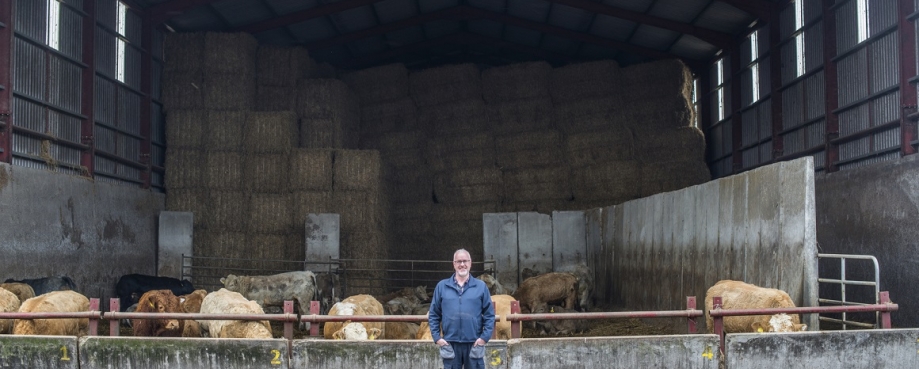
An Irish farmer

Training designed to help the Irish food and farming sector reassure UK supermarkets that they take agricultural workers’ rights seriously. Backed by SIPTU and Supporting Quality Ireland, and the supermarkets Morrisons and Waitrose as well as Marks and Spencer.

New ETI training course for the Irish Food and Farming sector to be held on 24 and 25 November at The Hub in Kilkenny.

The Ethical Trading Initiative (ETI) has teamed up with SIPTU, the Services Industrial Professional and Technical Union and Irish brands partnership Supporting Quality Ireland to help expand an understanding of ethical trade within Ireland’s food and farming sector, particularly for those companies supplying UK supermarkets.

Both SIPTU and Supporting Quality believe there is a need to introduce high quality training around promoting respect for workers’ rights – so called ethical trading – in Ireland. There have also been various media exposés around worker exploitation that have raised concerns amongst consumers.

ETI has consequently designed a two-day workshop, Ethical essentials for Irish companies and suppliers, that focuses on the practical steps needed to address ethical trading issues, referencing the organisation’s Base Code, its internationally recognised code of labour standards.

ETI training manager, Damien Egan confirmed that the course is specifically geared towards the Irish food and farming sector. “Our training is designed to help Irish companies and suppliers grow in confidence so that they can give reassurances to UK supermarkets that they are committed to implementing real change. 

“We realise that addressing labour rights issues in the supply chain is difficult and an on-going challenge. With international labour legislation increasingly being firmed up, companies must take this issue seriously.”

The training has the support of leading UK supermarkets.

Danny Mills, the Ethical Trading Manager at Morrisons said “We are delighted to see ETI expand their training offer into Ireland. ETI training is a fantastic way to embed the know how to ensure workers in your supply chain are treated fairly.”

Victoria Harris, Head of Sustainability and Responsible Sourcing at the supermarket Waitrose, added that Waitrose is committed to the principles of the ETI Base Code which it sees as an integral part of the way the supermarket wishes to do business. 

“ETI is a valuable partner in addressing the issues surrounding ethical trade in our global supply chains - supporting our ‘treating people fairly’ business pillar. We would recommend engaging with them to understand the risks facing your business and how best to manage them,” she said.

Additionally, Helen McTaggart Ethical Trade Manager at Marks and Spencer confirmed the usefulness of such training: “Addressing labour rights issues in your supply chains is difficult and an ongoing challenge. Suppliers should take advantage of training so that they can learn how to practically implement change.”

Specifically, ETI will concentrate on giving delegates a basic introduction to ethical trade as well as:

  • Understanding the demands of UK supermarkets as they adapt to changes in UK legislation – including the Modern Slavery Act – and what this will mean for their suppliers.
  • Knowing how Irish legislative changes such as the launch of the Workplace Relations Commission can assist Irish businesses.
  • Giving practical assistance in mapping risks in their own supply chains and developing their own checklists while exploring what partnerships can be built with local NGOs and trade unions.

Companies wanting to book places on ETI’s workshops, should email training@eti.org.uk, call +44(0) 207 841 4350, or log onto Ethical essentials for Irish companies and suppliers.


ETI's blog covers issues at the intersection of business and human rights. We feature posts by, for and from our members and allies; we do not accept or offer payment for posts or publish content outside of these criteria. We welcome a range of insights and opinions from our guest bloggers, though don't necessarily agree with everything they say.

Stay up to date

Stay up to date with the latest from ETI via the following channels:
  • Email
  • Twitter
  • LinkedIn
  • Blog RSS

Related content

  • Caravan accommodation for temporary workers – new guidance
  • Fairtrade: celebrating the first 20 years. What’s next?
  • Our response to the GMB Union's call for multinational fruit company Fyffes to be expelled from ETI
  • How the Behind the Brands campaign has driven change in corporate policies
  • UN Guiding Principles show us the way to fairer trade
  • Update on a dispute between Fyffes and Honduran plantation workers

Get the latest

Subscribe to our email newsletters and stay up to speed on responsible business.

Subscribe

ETI elsewhere

  • Twitter
  • LinkedIn
  • YouTube

Footer

  • ETI Community
  • Accessibility
  • Contact
  • FAQ
  • Jobs at ETI
  • Press resources
  • Security & privacy
Other ETIs: Bangladesh, Denmark, Norway, Sweden
Ethical Trading Initiative | Registered No. 3578127