Home

Main menu

  • About ETI
    • Our members
      • Public reporting performance
    • Who we are
      • ETI's origins
    • What we do
    • Global presence
    • Governance
    • Our team
      • ETI Board members
    • Our Strategy
  • Home
  • Why ETI
    • Why join ETI
  • ETI Base Code
    • Base Code overview
    • Base Code clause 1: Employment is freely chosen
    • Base Code clause 2: Freedom of association
    • Base Code clause 3: Working conditions are safe and hygienic
    • Base Code clause 4: Child labour shall not be used
    • Base Code clause 5: Living wages are paid
    • Base Code clause 6: Working hours are not excessive
    • Base Code clause 7: No discrimination is practiced
    • Base Code clause 8: Regular employment is provided
    • Base Code clause 9: No harsh or inhumane treatment is allowed
  • Our approach
    • Membership
    • Programmes
    • Transparency
    • Meaningful stakeholder engagement (MSE)
  • Our expertise
    • Climate change & Just transitions
    • Crisis response
    • Gender equity in supply chains
    • Worker representation
    • Forced labour & modern slavery
    • Responsible purchasing practices
      • RPP in manufacturing
    • Human rights due diligence
      • HRDD legislation tracker
  • Resources
    • Guidance & reports
    • Blog
      • Blog series: Tackling gender-based violence through GRACE
    • Issues
      • Human rights due diligence (HRDD): a complete guide for business
        • What is human rights due diligence?
        • Human rights due diligence legislation and regulatory requirements
        • How to implement human rights due diligence in your company
        • HRDD risk assessment for supply chains
        • Supplier engagement and human rights due diligence
      • Forced labour & modern slavery: a complete guide for business
        • What is modern slavery? Definitions, forms and scale
        • How to identify forced labour in your supply chain
        • Remediation: what to do when forced labour is found
        • Modern slavery legislation: what businesses need to know
        • EU Forced Labour Regulation: what it means for your business
        • How to write a modern slavery statement
        • High-risk sectors and sourcing regions for forced labour
        • Forced labour and migrant workers in supply chains
      • Responsible purchasing practices: what they are and why they matter
        • How to implement responsible purchasing practices
        • Responsible purchasing practices and legislation: what companies need to know
        • Responsible purchasing practices by sector
    • Case studies
    • Training
    • Events
      • ETI Insights series
    • Impact report 2024-25

Breadcrumb

  1. Home
  2. blog

International law and migrant workers: helping companies address modern slavery risks

  • Share on Facebook
  • Share on Twitter
  • Share on LinkedIn
  • Jane Moyo - ETI
  • 12 July 2018

We’ve been sent a new overview of international obligations regarding migrant workers from Australia’s University of New South Wales (UNSW).

Our Head of Modern Slavery Strategy, Cindy Berman, is highly recommending guidance from the UNSW’s Human Rights Clinic, which she says has some very well constructed, clear advice on migrant workers issues from the perspective of countries of origin.

This includes but is not limited to issues such as recruitment fees and pre-departure training that are embedded in international law and practice.

While the report, International Obligations regarding Migrant Workers: A Guide for Countries of Origin, is primarily aimed at nation states (and the international organisations, NGOs, and unions and migrant worker representative bodies operational within them), it will also be invaluable for companies.

That’s because of its detail and its breadth. And because of the need to embed respect for human rights within global supply chains which have increasingly diverse workforces.

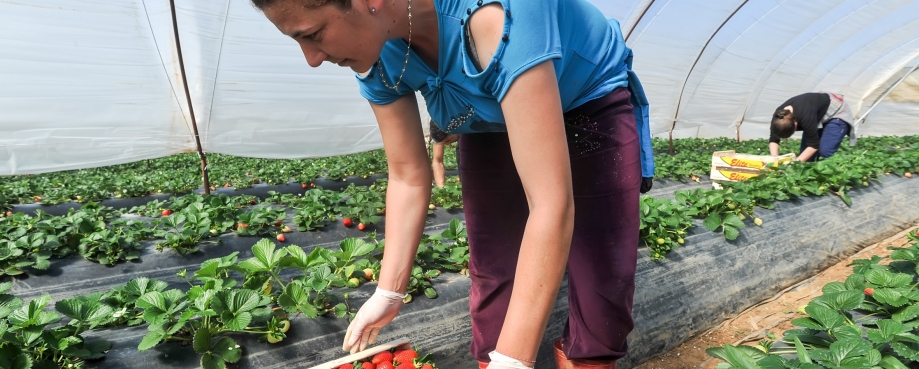
As such, Cindy will be sharing the guidance across our networks of member companies, NGOs and trade unions, particularly those where migrant labour makes up a large numbers of workers, such as in Mauritius, Turkey and Italy.

Systematic overview of international obligations

Specifically, the  guide provides a systematic overview of international obligations. It draws together the responsibilities of nation states under international human rights treaties, labour rights conventions, diplomatic conventions and trafficking instruments.  

Covering key international standards that apply to migrants’ home countries and their countries of employment, the guide can assist governments as they regulate, negotiate and implement labour migration programmes at all stages of the migration process. 

It also provides useful standards against which states, advocates, national human rights institutions and others can measure and report on compliance with international human rights and labour rights standards in countries of origin and employment. 

The previous UN Special Rapporteur on Migrants, Professor Francois Crepeau, in his endorsement of the Guide, says it will:

"Support human rights and labour rights organisations in better preparing migrants for the difficulties of the migration journey and in helping them fight for their rights, through training, advocacy, networking, unionising, administrative procedures or court proceedings.” 

Cindy believes Professor Crepeau is right, and the report is well worth reading.

ETI's blog covers issues at the intersection of business and human rights. We feature posts by, for and from our members and allies; we do not accept or offer payment for posts or publish content outside of these criteria. We welcome a range of insights and opinions from our guest bloggers, though don't necessarily agree with everything they say.

Stay up to date

Stay up to date with the latest from ETI via the following channels:
  • Email
  • Twitter
  • LinkedIn
  • Blog RSS

Get the latest

Subscribe to our email newsletters and stay up to speed on responsible business.

Subscribe

ETI elsewhere

  • Twitter
  • LinkedIn
  • YouTube

Footer

  • ETI Community
  • Accessibility
  • Contact
  • FAQ
  • Jobs at ETI
  • Press resources
  • Security & privacy
Other ETIs: Bangladesh, Denmark, Norway, Sweden
Ethical Trading Initiative | Registered No. 3578127