Home

Main menu

  • About ETI
    • Our members
      • Public reporting performance
    • Who we are
      • ETI's origins
    • What we do
    • Global presence
    • Governance
    • Our team
      • ETI Board members
    • Our Strategy
  • Home
  • Why ETI
    • Why join ETI
  • ETI Base Code
    • Base Code overview
    • Base Code clause 1: Employment is freely chosen
    • Base Code clause 2: Freedom of association
    • Base Code clause 3: Working conditions are safe and hygienic
    • Base Code clause 4: Child labour shall not be used
    • Base Code clause 5: Living wages are paid
    • Base Code clause 6: Working hours are not excessive
    • Base Code clause 7: No discrimination is practiced
    • Base Code clause 8: Regular employment is provided
    • Base Code clause 9: No harsh or inhumane treatment is allowed
  • Our approach
    • Membership
    • Programmes
    • Transparency
    • Meaningful stakeholder engagement (MSE)
  • Our expertise
    • Climate change & Just transitions
    • Crisis response
    • Gender equity in supply chains
    • Worker representation
    • Forced labour & modern slavery
    • Responsible purchasing practices
      • RPP in manufacturing
    • Human rights due diligence
      • HRDD legislation tracker
  • Resources
    • Guidance & reports
    • Blog
      • Blog series: Extreme heat and risks to workers
      • Blog series: Tackling gender-based violence through GRACE
    • Issues
      • Human rights due diligence (HRDD): a complete guide for business
        • What is human rights due diligence?
        • Human rights due diligence legislation and regulatory requirements
        • How to implement human rights due diligence in your company
        • HRDD risk assessment for supply chains
        • Supplier engagement and human rights due diligence
      • Forced labour & modern slavery: a complete guide for business
        • What is modern slavery? Definitions, forms and scale
        • How to identify forced labour in your supply chain
        • Remediation: what to do when forced labour is found
        • Modern slavery legislation: what businesses need to know
        • EU Forced Labour Regulation: what it means for your business
        • How to write a modern slavery statement
        • High-risk sectors and sourcing regions for forced labour
        • Forced labour and migrant workers in supply chains
      • Responsible purchasing practices: what they are and why they matter
        • How to implement responsible purchasing practices
        • Responsible purchasing practices and legislation: what companies need to know
        • Responsible purchasing practices by sector
      • UK mandatory human rights due diligence: what businesses need to know
    • Case studies
    • Training
    • Events
      • ETI Insights series
    • Impact report 2024-25

Breadcrumb

  1. Home
  2. blog

Momentum builds for action on wages

  • Share on Facebook
  • Share on Twitter
  • Share on LinkedIn
  • 4 January 2010
Momentum builds for action on wages


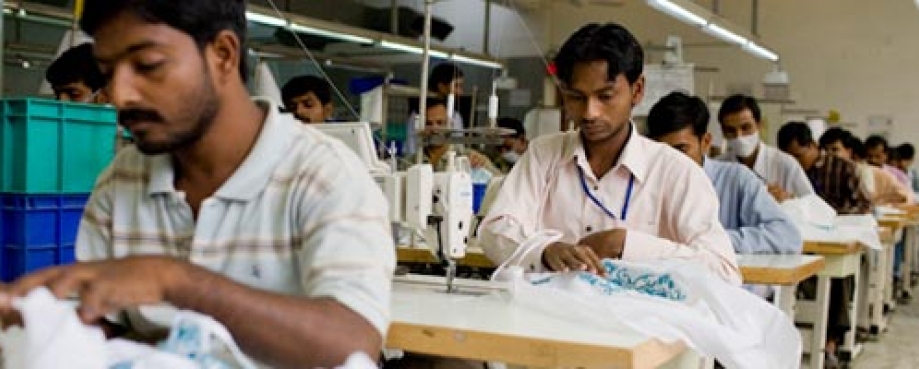
An ETI members' meeting to discuss proposals for an Asia-wide 'floor wage' for garment workers has increased momentum for collective action to raise workers' wages in global supply chains.

The global downturn is hitting the poorest workers in the world the hardest, and after recent hikes in commodity prices, garment workers in South Asian countries like Bangladesh are spending up to 70% of their monthly income on rice alone.

The Asia Floor Wage Alliance is calling for Asian garment workers and their supporters to unite together and adopt a regional bargaining strategy so that garment workers will be able to campaign for improved pay and conditions without the fear of causing job losses.

The aim is to stall the 'race to the bottom' in wage competition among Asian countries, whereby many workers - and indeed governments - fear that increasing wages in their own countries will prompt companies to take their orders to other, cheaper sourcing destinations.

The Alliance has also developed a concrete calculation for a minimum living wage that it believes companies sourcing in the region should implement.

ETI invited the Amsterdam-based Clean Clothes Campaign, a member of the Alliance, to set out their proposals at a members' meeting in November.

ETI members at the meeting expressed support for collective action on wages, and for a clear methodology for calculating a living wage, although many expressed concern about how the proposals could be made to work.

Said ETI Director Dan Rees, "There's clearly a huge appetite among all our members - companies, trade unions and NGOs alike - to engage in collective action on wages, despite concerns about some elements of the Asia Floor Wage proposal.

"We're committed to engaging with the Asia Floor Wage alliance and other initiatives to develop practical solutions to driving up wages."

ETI's AGM on 21 January will feature a Wages Action Forum, which will include discussion on how to take forward elements of the Asia Floor Wage proposal as well as planning for a membership-wide programme of activities aimed at raising wages.


ETI's blog covers issues at the intersection of business and human rights. We feature posts by, for and from our members and allies; we do not accept or offer payment for posts or publish content outside of these criteria. We welcome a range of insights and opinions from our guest bloggers, though don't necessarily agree with everything they say.

Stay up to date

Stay up to date with the latest from ETI via the following channels:
  • Email
  • Twitter
  • LinkedIn
  • Blog RSS

Get the latest

Subscribe to our email newsletters and stay up to speed on responsible business.

Subscribe

ETI elsewhere

  • Twitter
  • LinkedIn
  • YouTube

Footer

  • ETI Community
  • Accessibility
  • Contact
  • FAQ
  • Jobs at ETI
  • Press resources
  • Security & privacy
Other ETIs: Bangladesh, Denmark, Norway, Sweden
Ethical Trading Initiative | Registered No. 3578127