Home

Main menu

  • About ETI
    • Our members
      • Public reporting performance
    • Who we are
      • ETI's origins
    • What we do
    • Global presence
    • Governance
    • Our team
      • ETI Board members
    • Our Strategy
  • Home
  • Why ETI
    • Why join ETI
  • ETI Base Code
    • Base Code overview
    • Base Code clause 1: Employment is freely chosen
    • Base Code clause 2: Freedom of association
    • Base Code clause 3: Working conditions are safe and hygienic
    • Base Code clause 4: Child labour shall not be used
    • Base Code clause 5: Living wages are paid
    • Base Code clause 6: Working hours are not excessive
    • Base Code clause 7: No discrimination is practiced
    • Base Code clause 8: Regular employment is provided
    • Base Code clause 9: No harsh or inhumane treatment is allowed
  • Our approach
    • Membership
    • Programmes
    • Transparency
    • Meaningful stakeholder engagement (MSE)
  • Our expertise
    • Climate change & Just transitions
    • Crisis response
    • Gender equity in supply chains
    • Worker representation
    • Forced labour & modern slavery
    • Responsible purchasing practices
      • RPP in manufacturing
    • Human rights due diligence
      • HRDD legislation tracker
  • Resources
    • Guidance & reports
    • Blog
      • Blog series: Extreme heat and risks to workers
      • Blog series: Tackling gender-based violence through GRACE
    • Issues
      • Human rights due diligence (HRDD): a complete guide for business
        • What is human rights due diligence?
        • Human rights due diligence legislation and regulatory requirements
        • How to implement human rights due diligence in your company
        • HRDD risk assessment for supply chains
        • Supplier engagement and human rights due diligence
      • Forced labour & modern slavery: a complete guide for business
        • What is modern slavery? Definitions, forms and scale
        • How to identify forced labour in your supply chain
        • Remediation: what to do when forced labour is found
        • Modern slavery legislation: what businesses need to know
        • EU Forced Labour Regulation: what it means for your business
        • How to write a modern slavery statement
        • High-risk sectors and sourcing regions for forced labour
        • Forced labour and migrant workers in supply chains
      • Responsible purchasing practices: what they are and why they matter
        • How to implement responsible purchasing practices
        • Responsible purchasing practices and legislation: what companies need to know
        • Responsible purchasing practices by sector
    • Case studies
    • Training
    • Events
      • ETI Insights series
    • Impact report 2024-25

Cindy Berman

Position
Head of Modern Slavery Strategy
Organisation
ETI

Blog posts from this author

Ending modern slavery: We need a balance between 'noisy' and 'quiet' action

18 December 2018
In the first of two think-pieces, ETI's Head of Modern Slavery Strategy, Cindy Berman, discusses some of the lessons she's learned from 2018.
Image courtesy of shutterstock

Why Commonwealth Heads of Government must act on modern slavery

20 April 2018
The Commonwealth Heads of Government are meeting in London this week. Amongst the many global challenges which they are discussing is ending modern slavery.
Image courtesy of the ILO

Talk of universal human rights isn’t enough. A ‘gender lens’ is critical too

3 April 2018
Why is it so important to approach the UN Guiding Principles on Business and Human Rights (UNGPs) with a gender lens?

In honour of Paul Broadbent

2 January 2018
It is an enormous shock to learn about the untimely death of Paul Broadbent, CEO of the Gangmasters Labour Abuse Authority.
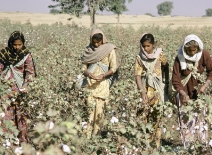
Women harvesting Indian cotton courtesy of the World Bank

Time for men to show leadership in eliminating violence against women

27 November 2017
Organisational responsibilities to end violence against women and how men must show leadership.
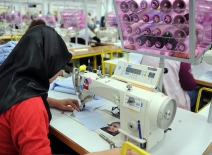
Woman working on a production line in Turkey, courtesy of Shutterstock

What kind of modern slavery legislation is best for Australia?

23 August 2017
The question Australia is grappling with, is whether new legislation aimed at companies should be regulatory or non-regulatory?


Pagination

  • Previous page ‹‹
  • Page 3
  • Next page ››

Stay up to date

Stay up to date with the latest from ETI via the following channels:
  • Email
  • Twitter
  • LinkedIn
  • Blog RSS

Get the latest

Subscribe to our email newsletters and stay up to speed on responsible business.
Subscribe

ETI elsewhere

  • Twitter
  • LinkedIn
  • YouTube

Footer

  • ETI Community
  • Accessibility
  • Contact
  • FAQ
  • Jobs at ETI
  • Press resources
  • Security & privacy
Other ETIs: Bangladesh, Denmark, Norway, Sweden
Ethical Trading Initiative | Registered No. 3578127