Home

Main menu

  • About ETI
    • Our members
      • Public reporting performance
    • Who we are
      • ETI's origins
    • What we do
    • Global presence
    • Governance
    • Our team
      • ETI Board members
    • Our Strategy
  • Home
  • Why ETI
    • Why join ETI
  • ETI Base Code
    • Base Code overview
    • Base Code clause 1: Employment is freely chosen
    • Base Code clause 2: Freedom of association
    • Base Code clause 3: Working conditions are safe and hygienic
    • Base Code clause 4: Child labour shall not be used
    • Base Code clause 5: Living wages are paid
    • Base Code clause 6: Working hours are not excessive
    • Base Code clause 7: No discrimination is practiced
    • Base Code clause 8: Regular employment is provided
    • Base Code clause 9: No harsh or inhumane treatment is allowed
  • Our approach
    • Membership
    • Programmes
    • Transparency
    • Meaningful stakeholder engagement (MSE)
  • Our expertise
    • Climate change & Just transitions
    • Crisis response
    • Gender equity in supply chains
    • Worker representation
    • Forced labour & modern slavery
    • Responsible purchasing practices
      • RPP in manufacturing
    • Human rights due diligence
      • HRDD legislation tracker
  • Resources
    • Guidance & reports
    • Blog
      • Blog series: Tackling gender-based violence through GRACE
    • Issues
      • Human rights due diligence (HRDD): a complete guide for business
        • What is human rights due diligence?
        • Human rights due diligence legislation and regulatory requirements
        • How to implement human rights due diligence in your company
        • HRDD risk assessment for supply chains
        • Supplier engagement and human rights due diligence
      • Forced labour & modern slavery: a complete guide for business
        • What is modern slavery? Definitions, forms and scale
        • How to identify forced labour in your supply chain
        • Remediation: what to do when forced labour is found
        • Modern slavery legislation: what businesses need to know
        • EU Forced Labour Regulation: what it means for your business
        • How to write a modern slavery statement
        • High-risk sectors and sourcing regions for forced labour
        • Forced labour and migrant workers in supply chains
      • Responsible purchasing practices: what they are and why they matter
        • How to implement responsible purchasing practices
        • Responsible purchasing practices and legislation: what companies need to know
        • Responsible purchasing practices by sector
    • Case studies
    • Training
    • Events
      • ETI Insights series
    • Impact report 2024-25

Breadcrumb

  1. Home
  2. blog

Nick Kightley dares to dream, as the EU votes to significantly strengthen the regulation of EU fisheries

  • Share on Facebook
  • Share on Twitter
  • Share on LinkedIn
  • Nick Kightley - ETI
  • 21 September 2020
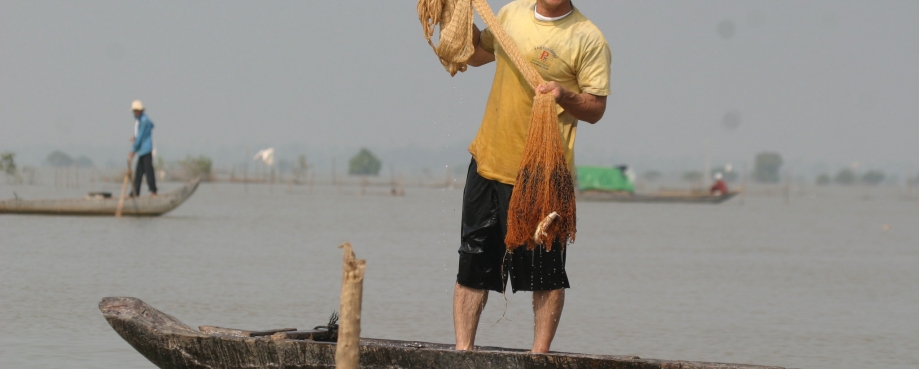
Cambodia Fisherman

The European Parliament’s Committee on the Environment (ENVI) has voted in favour of bringing more transparency to fisheries activities and traceability to seafood supply chains.

If this fisheries reform is all agreed and implemented across the EU (and hopefully the UK), and If this does result in effective regulation such that fish stocks rising back to sustainable levels, then I cannot but start to dream.

If fishing pressures within EU waters – supply and demand reach a new balance - then pressures on improving workers’ welfare and livelihoods might also come into play, allowing for universal good practices to follow in EU waters.

If the EU can demonstrate the effectiveness of such measures, then could this approach be effective globally? And, would other jurisdictions want such changes? As with EU hopes, might this then lead to a new equilibrium in the global fishing industry and a new prospect for good working conditions and protection for workers – particularly fishers – globally?

There are quite a few ‘ifs’ and ‘maybes’ and many decades of investment activity between where we are today and the achievement of my dream. So far, these thoughts are based on improvements among responsible businesses. But, what of IUU fishing and rogue states that fail to respect others jurisdictions in the first place? There may be enough of these last two categories out there to still bring failure. There is far too little investment – or understanding – as to what drives IUU fishing (it seems to be profitable) and how to effectively put this out of business. And what do we do about powerful states who have no regard for international agreements? Dream over.

Given the unlikely effectiveness of global fisheries regulation any time soon, this leaves us with a bitter struggle to bring some degree of respect and protection for fishers in particular and the urgent need for mechanisms that can give them an organised and informed voice within the existing unsatisfactory industry practices.

ETI looks to its members to provide leadership – particularly where conditions are at their hardest. Requiring that fishers in their supply chains are formerly represented by a trade union is one small bottom up and low cost initiative that can still bring some hope of improvements for fishers and sustainable fishing. ETI expects its members to prioritise such steps.


ETI's blog covers issues at the intersection of business and human rights. We feature posts by, for and from our members and allies; we do not accept or offer payment for posts or publish content outside of these criteria. We welcome a range of insights and opinions from our guest bloggers, though don't necessarily agree with everything they say.

Stay up to date

Stay up to date with the latest from ETI via the following channels:
  • Email
  • Twitter
  • LinkedIn
  • Blog RSS

Related content

  • Four ethical trade issues forcing their way onto the 2016 public agenda
  • GAIA principles to end gender-based violence and harassment in commercial agriculture and fisheries

Get the latest

Subscribe to our email newsletters and stay up to speed on responsible business.

Subscribe

ETI elsewhere

  • Twitter
  • LinkedIn
  • YouTube

Footer

  • ETI Community
  • Accessibility
  • Contact
  • FAQ
  • Jobs at ETI
  • Press resources
  • Security & privacy
Other ETIs: Bangladesh, Denmark, Norway, Sweden
Ethical Trading Initiative | Registered No. 3578127