New UN recommendations to companies, governments and investors state that human rights due diligence is critical to determining responsibility and accountability amongst states and businesses.
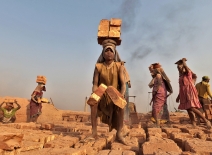
The global nature of complex supply chains made up of companies competing on prices, profitability and lead times increases the risk of workers being exploited, and in the worst cases, forced into modern slavery.
In Bangladesh, negotiations over the wages paid to workers in the ready made garment sector continue. But how are they calculated and are they realistic? And what can international brands do?
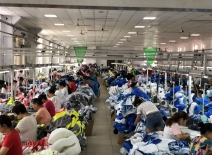
Outdoor sportswear company and ETI member, Regatta, has encouraged one of its Chinese supplier to initiate a worker motivation scheme as part of its commitment to ETI/ILO SCORE business management training.
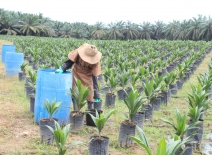
With women making up most factory floor and agricultural workers, ETI has released new business guidance for companies on empowering women in supply chains.
Following recent reports on the urgency of climate change action and the need to mitigate the environmental impact of business, ETI's Industrial Relations Adviser, Beverley Hall, asks 'what about the workers?'
As an entrepreneur, Mostafiz Uddin is passionate about all aspects of the denim industry. He also believes everyone should benefit from the world of work.
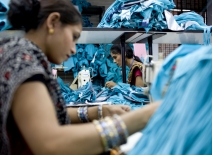
Multinational retailer and ETI member, Marks & Spencer, is working to eliminate sexual harassment and gender discrimination in its India supply chain. Reaching around 12,000 women across India, the programme is the focus of a short film published today by ETI.