Home

Main menu

  • About ETI
    • Our members
      • Public reporting performance
    • Who we are
      • ETI's origins
    • What we do
    • Global presence
    • Governance
    • Our team
      • ETI Board members
    • Our Strategy
  • Home
  • Why ETI
    • Why join ETI
  • ETI Base Code
    • Base Code overview
    • Base Code clause 1: Employment is freely chosen
    • Base Code clause 2: Freedom of association
    • Base Code clause 3: Working conditions are safe and hygienic
    • Base Code clause 4: Child labour shall not be used
    • Base Code clause 5: Living wages are paid
    • Base Code clause 6: Working hours are not excessive
    • Base Code clause 7: No discrimination is practiced
    • Base Code clause 8: Regular employment is provided
    • Base Code clause 9: No harsh or inhumane treatment is allowed
  • Our approach
    • Membership
    • Programmes
    • Transparency
    • Meaningful stakeholder engagement (MSE)
  • Our expertise
    • Climate change & Just transitions
    • Crisis response
    • Gender equity in supply chains
    • Worker representation
    • Forced labour & modern slavery
    • Responsible purchasing practices
      • RPP in manufacturing
    • Human rights due diligence
      • HRDD legislation tracker
  • Resources
    • Guidance & reports
    • Blog
      • Blog series: Extreme heat and risks to workers
      • Blog series: Tackling gender-based violence through GRACE
    • Issues
      • Human rights due diligence (HRDD): a complete guide for business
        • What is human rights due diligence?
        • Human rights due diligence legislation and regulatory requirements
        • How to implement human rights due diligence in your company
        • HRDD risk assessment for supply chains
        • Supplier engagement and human rights due diligence
      • Forced labour & modern slavery: a complete guide for business
        • What is modern slavery? Definitions, forms and scale
        • How to identify forced labour in your supply chain
        • Remediation: what to do when forced labour is found
        • Modern slavery legislation: what businesses need to know
        • EU Forced Labour Regulation: what it means for your business
        • How to write a modern slavery statement
        • High-risk sectors and sourcing regions for forced labour
        • Forced labour and migrant workers in supply chains
      • Responsible purchasing practices: what they are and why they matter
        • How to implement responsible purchasing practices
        • Responsible purchasing practices and legislation: what companies need to know
        • Responsible purchasing practices by sector
    • Case studies
    • Training
    • Events
      • ETI Insights series
    • Impact report 2024-25

Abi Rushton

Position
Director, Ethical Expert

Abi is Founder and Director of Ethical Expert Ltd, an ethical trade and sustainable supply chain consultancy which believes in practical and commercially based approaches to improving products and conditions across international supply chains. She has 20 years' experience across manufacturing, retail and international development leadership roles, latterly working for the UK's top two retailers in CSR/sustainability roles. She also sits on the board of the Ethical Fashion Forum.

Blog posts from this author

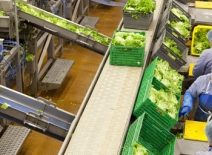
Preparing fresh produce for UK consumers

Worker participation boosts business

20 July 2012
Worker participation - how to unleash potential and increase dialogue while driving business improvements.
Child labour - is the global recession squeezing childhood?

Child labour - is the global recession squeezing childhood?

8 August 2011
As the economic ‘recovery' in the West falters, are we prepared to sacrifice our children's education and learning to bring more money into our households to try to maintain our consumerist lifestyles?

Re-imagining the minimum wage

9 May 2011
Can Singapore's model be applied elsewhere?
Electronics - The new fast fashion?

Electronics - The new fast fashion?

24 February 2011
Is the electronics industry making the same blunders in addressing working conditions as the fashion industry, or learning from its mistakes?
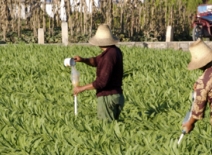
Farmers water their crops, China

Could China's gain become its workers' loss?

15 February 2011
Could China's economic boom and changing consumer patterns unwittingly lead to poorer conditions for its workers as domestic orders begin to fill the gaps left by exiting international firms?

Stay up to date

Stay up to date with the latest from ETI via the following channels:
  • Email
  • Twitter
  • LinkedIn
  • Blog RSS

Get the latest

Subscribe to our email newsletters and stay up to speed on responsible business.

Subscribe

ETI elsewhere

  • Twitter
  • LinkedIn
  • YouTube

Footer

  • ETI Community
  • Accessibility
  • Contact
  • FAQ
  • Jobs at ETI
  • Press resources
  • Security & privacy
Other ETIs: Bangladesh, Denmark, Norway, Sweden
Ethical Trading Initiative | Registered No. 3578127