Home

Main menu

  • About ETI
    • Our members
      • Public reporting performance
    • Who we are
      • ETI's origins
    • What we do
    • Global presence
    • Governance
    • Our team
      • ETI Board members
    • Our Strategy
  • Home
  • Why ETI
    • Why join ETI
  • ETI Base Code
    • Base Code overview
    • Base Code clause 1: Employment is freely chosen
    • Base Code clause 2: Freedom of association
    • Base Code clause 3: Working conditions are safe and hygienic
    • Base Code clause 4: Child labour shall not be used
    • Base Code clause 5: Living wages are paid
    • Base Code clause 6: Working hours are not excessive
    • Base Code clause 7: No discrimination is practiced
    • Base Code clause 8: Regular employment is provided
    • Base Code clause 9: No harsh or inhumane treatment is allowed
  • Our approach
    • Membership
    • Programmes
    • Transparency
    • Meaningful stakeholder engagement (MSE)
  • Our expertise
    • Climate change & Just transitions
    • Crisis response
    • Gender equity in supply chains
    • Worker representation
    • Forced labour & modern slavery
    • Responsible purchasing practices
      • RPP in manufacturing
    • Human rights due diligence
      • HRDD legislation tracker
  • Resources
    • Guidance & reports
    • Blog
      • Blog series: Extreme heat and risks to workers
      • Blog series: Tackling gender-based violence through GRACE
    • Issues
      • Human rights due diligence (HRDD): a complete guide for business
        • What is human rights due diligence?
        • Human rights due diligence legislation and regulatory requirements
        • How to implement human rights due diligence in your company
        • HRDD risk assessment for supply chains
        • Supplier engagement and human rights due diligence
      • Forced labour & modern slavery: a complete guide for business
        • What is modern slavery? Definitions, forms and scale
        • How to identify forced labour in your supply chain
        • Remediation: what to do when forced labour is found
        • Modern slavery legislation: what businesses need to know
        • EU Forced Labour Regulation: what it means for your business
        • How to write a modern slavery statement
        • High-risk sectors and sourcing regions for forced labour
        • Forced labour and migrant workers in supply chains
      • Responsible purchasing practices: what they are and why they matter
        • How to implement responsible purchasing practices
        • Responsible purchasing practices and legislation: what companies need to know
        • Responsible purchasing practices by sector
    • Case studies
    • Training
    • Events
      • ETI Insights series
    • Impact report 2024-25

Breadcrumb

  1. Home
  2. blog

Worker participation boosts business

  • Share on Facebook
  • Share on Twitter
  • Share on LinkedIn
  • Abi Rushton
  • 20 July 2012
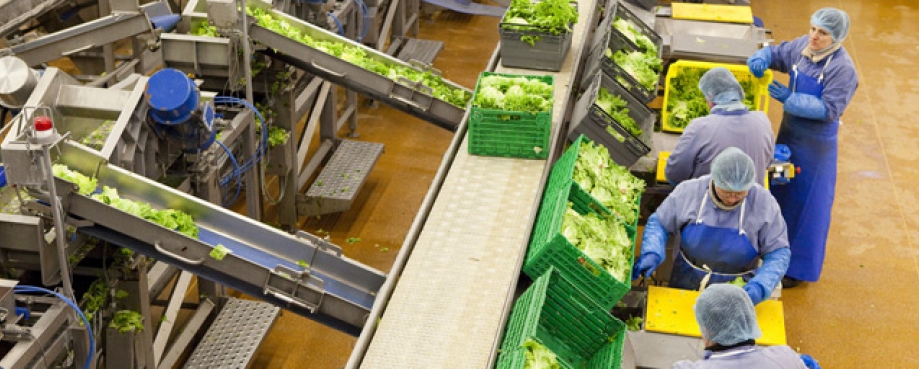
Preparing fresh produce for UK consumers

A lot is written about increasing worker dialogue and participation as a way to improve labour conditions. This is usually as a way of ensuring workers' voices and concerns are heard and addressed. What is not normally mentioned is how management also need to have their concerns heard and addressed if the business is to succeed and continue providing jobs.

Forms of workers' participation that have grown up around the ethical trade sphere can seem frightening to businesses that fear disruption and militancy. However twentieth century quality management techniques may hold the answer to increased dialogue and productivity.

Quality circles - groups of workers and managers from a particular business section coming together to solve their departments' issues - were all the rage in the 1990s at UK production sites, who caught the bug from Japanese quality management theories. I saw this work amazingly well in a Scottish Knitwear plant I was working in at the time, where the knitters went on to win a national quality prize for the way they had reduced downtime and worked together with managers and suppliers to achieve this. What was even more amazing was that these workers were not naïve graduates straight out of college but hard-bitten workers who had been employed for years but never asked to participate; yet they held the answers to the company's production issues in their heads and hands.

I saw the same approach work just as well with another seemingly unlikely group of people a few years ago in Sri Lanka. Following the 2004 Asian Tsunami I worked with several communities to rebuild their homes and businesses. While most redevelopment programmes worked with building contractors we worked with the communities, directly giving them responsibility for managing the rebuilding of their homes. Unskilled rural community leaders and young people learnt about critical path management and raw material receipt and issuing. They managed this better than some of the building contractors, completing their rebuilds on-time and on-budget.

What both scenarios highlight is that the profit potential for most organisations lies at the bottom of the organisational pyramid. The people who do the work best understand the challenges involved and also generally hold the solutions.

Trying to establish worker dialogue at a time of labour disruption, which is how some companies start, is bound to be fraught with issues as feelings will already be running high.

However if management share production and productivity concerns on an on-going basis with the opportunity for workers to respond, there will be a much firmer footing for dialogue should any labour disputes arise. There is also the possibility that along the way you solve production issues, increase profitability and worker satisfaction, retain skills and build a more secure future for your organisation.

Starting to build worker dialogue when there are concerns about conditions is bound to fail. Start building common ground on less emotive topics such as production issues; help the workers solve their own work-based concerns and you build a working relationship that can support the future growth of the business, jobs and improved working conditions.

This piece first appeared on ethicalexpert.com

ETI's blog covers issues at the intersection of business and human rights. We feature posts by, for and from our members and allies; we do not accept or offer payment for posts or publish content outside of these criteria. We welcome a range of insights and opinions from our guest bloggers, though don't necessarily agree with everything they say.

Stay up to date

Stay up to date with the latest from ETI via the following channels:
  • Email
  • Twitter
  • LinkedIn
  • Blog RSS

Related content

  • Reducing absenteeism by improving worker transport

Get the latest

Subscribe to our email newsletters and stay up to speed on responsible business.

Subscribe

ETI elsewhere

  • Twitter
  • LinkedIn
  • YouTube

Footer

  • ETI Community
  • Accessibility
  • Contact
  • FAQ
  • Jobs at ETI
  • Press resources
  • Security & privacy
Other ETIs: Bangladesh, Denmark, Norway, Sweden
Ethical Trading Initiative | Registered No. 3578127