Home

Main menu

  • About ETI
    • Our members
      • Public reporting performance
    • Who we are
      • ETI's origins
    • What we do
    • Global presence
    • Governance
    • Our team
      • ETI Board members
    • Our Strategy
  • Home
  • Why ETI
    • Why join ETI
  • ETI Base Code
    • Base Code overview
    • Base Code clause 1: Employment is freely chosen
    • Base Code clause 2: Freedom of association
    • Base Code clause 3: Working conditions are safe and hygienic
    • Base Code clause 4: Child labour shall not be used
    • Base Code clause 5: Living wages are paid
    • Base Code clause 6: Working hours are not excessive
    • Base Code clause 7: No discrimination is practiced
    • Base Code clause 8: Regular employment is provided
    • Base Code clause 9: No harsh or inhumane treatment is allowed
  • Our approach
    • Membership
    • Programmes
    • Transparency
    • Meaningful stakeholder engagement (MSE)
  • Our expertise
    • Climate change & Just transitions
    • Crisis response
    • Gender equity in supply chains
    • Worker representation
    • Forced labour & modern slavery
    • Responsible purchasing practices
      • RPP in manufacturing
    • Human rights due diligence
      • HRDD legislation tracker
  • Resources
    • Guidance & reports
    • Blog
      • Blog series: Extreme heat and risks to workers
      • Blog series: Tackling gender-based violence through GRACE
    • Issues
      • Human rights due diligence (HRDD): a complete guide for business
        • What is human rights due diligence?
        • Human rights due diligence legislation and regulatory requirements
        • How to implement human rights due diligence in your company
        • HRDD risk assessment for supply chains
        • Supplier engagement and human rights due diligence
      • Forced labour & modern slavery: a complete guide for business
        • What is modern slavery? Definitions, forms and scale
        • How to identify forced labour in your supply chain
        • Remediation: what to do when forced labour is found
        • Modern slavery legislation: what businesses need to know
        • EU Forced Labour Regulation: what it means for your business
        • How to write a modern slavery statement
        • High-risk sectors and sourcing regions for forced labour
        • Forced labour and migrant workers in supply chains
      • Responsible purchasing practices: what they are and why they matter
        • How to implement responsible purchasing practices
        • Responsible purchasing practices and legislation: what companies need to know
        • Responsible purchasing practices by sector
    • Case studies
    • Training
    • Events
      • ETI Insights series
    • Impact report 2024-25

ETI

Blog posts from this author

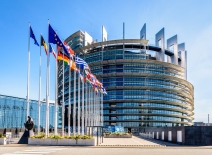
Row of EU Flags in front of the European Union Commission building in Brussels.

Joint Letter calling for EU policymakers to adopt the CSDDD

13 December 2023
Together with over 40 different stakeholders from the business community, financial sector, NGOs and trade unions, we have joined forces and sent a letter to EU policymakers.
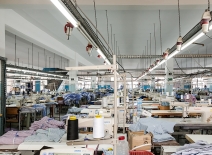
Empty apparel factory floor. Photo credit: Shutterstock.

Attributing responsibility and seeking remedy: The case of Neo Trend’s workers

23 November 2023
ETI reflects on its investigation of CCC members complaint against NEXT.
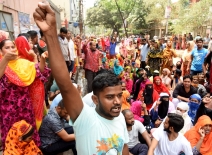
Wage protests in Bangladesh

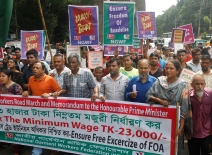
Minimum wage in Bangladesh: joint letter sent to the PM

16 November 2023
ETI and partners sent a letter to Bangladesh’s Prime Minister to raise concerns about New Minimum Wage for RMG Sector.
The National Garment Workers Federation marched and held a rally in Dhaka's Shahbag demanding a minimum wage of monthly BDT 23,000 for garment workers. Photo credit: Shutterstock.

Increased violence as minimum wage protests intensify in Bangladesh

31 October 2023
ETI supports the legitimate demands of workers for increases in the minimum wage and calls on all parties to refrain from violence.
Fires erupt from a building following an airstrike. Photo credit: Shutterstock.

Israel-Hamas-conflict: ETI's updated statement

30 October 2023
ETI calls for a ceasefire and reiterates expectations for responsible business
Entrance of the Louise Weiss building, inaugurated in 1999, the official seat of the European Parliament which houses the hemicycle for plenary sessions. Photo credit: Shutterstock.

Green light on ESRS is a breakthrough for corporate transparency

20 October 2023
ETI welcomes the European Parliament’s reaffirmed commitment on the European Sustainability Reporting Standards.


Pagination

  • Previous page ‹‹
  • Page 9
  • Next page ››

Stay up to date

Stay up to date with the latest from ETI via the following channels:
  • Email
  • Twitter
  • LinkedIn
  • Blog RSS

Get the latest

Subscribe to our email newsletters and stay up to speed on responsible business.
Subscribe

ETI elsewhere

  • Twitter
  • LinkedIn
  • YouTube

Footer

  • ETI Community
  • Accessibility
  • Contact
  • FAQ
  • Jobs at ETI
  • Press resources
  • Security & privacy
Other ETIs: Bangladesh, Denmark, Norway, Sweden
Ethical Trading Initiative | Registered No. 3578127