Home

Main menu

  • About ETI
    • Our members
      • Public reporting performance
    • Who we are
      • ETI's origins
    • What we do
    • Global presence
    • Governance
    • Our team
      • ETI Board members
    • Our Strategy
  • Home
  • Why ETI
    • Why join ETI
  • ETI Base Code
    • Base Code overview
    • Base Code clause 1: Employment is freely chosen
    • Base Code clause 2: Freedom of association
    • Base Code clause 3: Working conditions are safe and hygienic
    • Base Code clause 4: Child labour shall not be used
    • Base Code clause 5: Living wages are paid
    • Base Code clause 6: Working hours are not excessive
    • Base Code clause 7: No discrimination is practiced
    • Base Code clause 8: Regular employment is provided
    • Base Code clause 9: No harsh or inhumane treatment is allowed
  • Our approach
    • Membership
    • Programmes
    • Transparency
    • Meaningful stakeholder engagement (MSE)
  • Our expertise
    • Climate change & Just transitions
    • Crisis response
    • Gender equity in supply chains
    • Worker representation
    • Forced labour & modern slavery
    • Responsible purchasing practices
      • RPP in manufacturing
    • Human rights due diligence
      • HRDD legislation tracker
  • Resources
    • Guidance & reports
    • Blog
      • Blog series: Extreme heat and risks to workers
      • Blog series: Tackling gender-based violence through GRACE
    • Issues
      • Human rights due diligence (HRDD): a complete guide for business
        • What is human rights due diligence?
        • Human rights due diligence legislation and regulatory requirements
        • How to implement human rights due diligence in your company
        • HRDD risk assessment for supply chains
        • Supplier engagement and human rights due diligence
      • Forced labour & modern slavery: a complete guide for business
        • What is modern slavery? Definitions, forms and scale
        • How to identify forced labour in your supply chain
        • Remediation: what to do when forced labour is found
        • Modern slavery legislation: what businesses need to know
        • EU Forced Labour Regulation: what it means for your business
        • How to write a modern slavery statement
        • High-risk sectors and sourcing regions for forced labour
        • Forced labour and migrant workers in supply chains
      • Responsible purchasing practices: what they are and why they matter
        • How to implement responsible purchasing practices
        • Responsible purchasing practices and legislation: what companies need to know
        • Responsible purchasing practices by sector
    • Case studies
    • Training
    • Events
      • ETI Insights series
    • Impact report 2024-25

Breadcrumb

  1. Home
  2. blog

Eliminating violence and harassment in global supply chains

  • Share on Facebook
  • Share on Twitter
  • Share on LinkedIn
  • Halima Ahmed - Ethical Trading Initiative
  • 26 November 2021

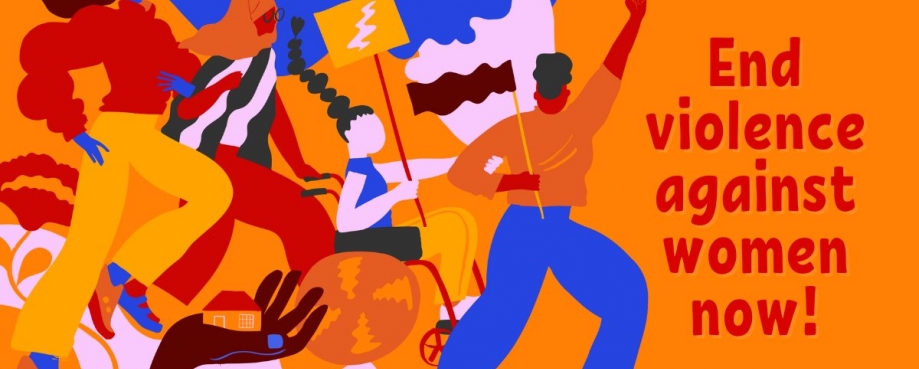
16 Days of Activism against gender-based violence, takes place every year from 25 November, the International Day for the Elimination of Violence against Women, and runs until 10 December, Human Rights Day. The period is an opportunity to galvanize actions and efforts towards ending violence and harassment against women and girls in all spheres of life.  

In the world of work, this year’s efforts are even more significant. 2021 marks the year the first international treaty addressing violence and harassment in the workplace has officially entered into force. 

ILO Convention 190 and its accompanying Recommendation 206, sets a new standard that advocates for a world in which every worker is protected from violence and harassment, including gender-based violence (GBV). This encompasses all categories of workers, including employees, persons in training such as interns and apprentices, volunteers, job seekers and job applicants. It applies to all sectors – public, private, formal and informal.  

Despite the importance of this convention in protecting the rights of workers only nine countries have ratified it to date, meaning these countries are now legally bound by the provisions contained in the convention. The long and short of it – many more need to follow suit.  

Unfortunately, the COVID-19 pandemic has exacerbated risks of violence and harassment for many workers, with increased risks for women of experiencing GBV both at home and at work. We know that this has a significant impact on business productivity, with workers often becoming depressed, anxious and unable to focus on their tasks. Furthermore, the data to really understand the depth of the problem is very difficult to access both through conventional audit mechanisms and workplace grievance mechanisms data.   

As we begin this period of activism against gender-based violence, ETI will play its part to advocate for a world where all workers are protected from violence and harassment. We would like to encourage all our members and networks to also double their efforts to prevent gender-based violence in the world of work.  

For our corporate members, we urge you to address the systemic issues that result in this harsh treatment, including purchasing practices, and to support your suppliers to do the same.  We also urge companies to work to create an enabling environment where women workers are safe to organise and raise issues of importance to them. For case studies of how safe spaces for women workers have been achieved across different sectors and countries please see ETI’s Safe Spaces Report  

Do you have suppliers in Bangladesh? 

During this period, ETI Bangladesh will run a behavioural change communication campaign in 24 factories, with messages on gender equality, GBV and sexual harassment complaint committee related issues. We expect to reach 37,500 workers through this campaign. ETI Members can login to the ETI Community to access Bengali campaign materials for their own suppliers.

ETI's blog covers issues at the intersection of business and human rights. We feature posts by, for and from our members and allies; we do not accept or offer payment for posts or publish content outside of these criteria. We welcome a range of insights and opinions from our guest bloggers, though don't necessarily agree with everything they say.

Stay up to date

Stay up to date with the latest from ETI via the following channels:
  • Email
  • Twitter
  • LinkedIn
  • Blog RSS

Get the latest

Subscribe to our email newsletters and stay up to speed on responsible business.

Subscribe

ETI elsewhere

  • Twitter
  • LinkedIn
  • YouTube

Footer

  • ETI Community
  • Accessibility
  • Contact
  • FAQ
  • Jobs at ETI
  • Press resources
  • Security & privacy
Other ETIs: Bangladesh, Denmark, Norway, Sweden
Ethical Trading Initiative | Registered No. 3578127