Get the latest
Subscribe to our email newsletters and stay up to speed on responsible business.
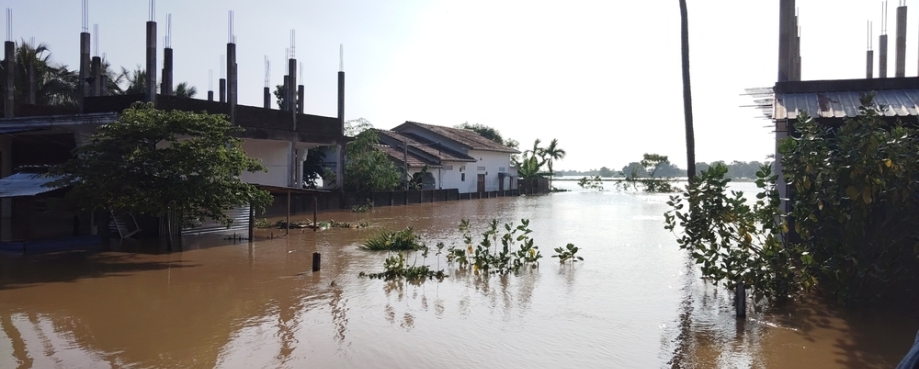
The Ethical Trading Initiative (ETI) is deeply concerned for the workers, communities and suppliers affected by the severe cyclones and floods that have struck parts of Sri Lanka, Indonesia, Thailand and Malaysia. Recent reports indicate this extreme weather, caused by a combination of tropical cyclones and unusually heavy monsoon rains, has killed over 1,100 people, with millions more impacted across the region.
In Indonesia alone, over 600 people have been confirmed dead, 464 missing and almost 300,000 displaced. Multiple roads and communication infrastructure have been destroyed in Sumatra, with some areas remaining unreachable except by aircraft. Sri Lanka has recorded 355 deaths, hundreds missing, and over 1.3 million people impacted by widespread flooding and landslides. Over 20,000 homes have been destroyed, forcing 108,000 people to state-run temporary shelters. In Thailand, the impacts of heavy flooding and landslides have reportedly killed over 170 people, with extensive damage to water and electricity infrastructure in affected areas. In Malaysia, three people have died and 11,600 people are in evacuation centres, however state news is reporting that the situation is improving.
We urge all businesses with impacted operations or supply chains to prioritise worker safety and wellbeing and to ensure that responses are grounded in responsible business conduct and respect for human rights. Companies should work closely with their suppliers to understand immediate impacts, avoid actions that could increase pressure or harm, and support measures that protect workers’ access to income, safety and security. We emphasise the importance of not penalising suppliers for disaster-related disruptions and of ensuring that workers from marginalised groups, including women, migrant and informal workers, remain protected from heightened risks.
All companies have a responsibility to respect international human rights laws and standards, including the ILO core conventions and UN Guiding Principles on Business and Human Rights (UNGPs). These apply in all circumstances, including during disaster response and recovery efforts.
Heightened human rights due diligence (hHRDD) is critical where there is elevated risk of severe human rights impacts. This means conducting HRDD processes that are ‘finely tuned and sensitive’ to the higher level of risk identified. Companies should conduct HRDD in line with the UNGPs to better understand the evolving situation and help them identify and mitigate risks and provide remedy where necessary. Where elevated risks are identified hHRDD should be undertaken. Meaningful stakeholder engagement, as defined by the OECD, should also be conducted with workers and their representatives, as part of the HRDD process. Companies should also implement responsible purchasing practices in line with the Common Framework for Responsible Purchasing Practices.
ETI has developed Flooding: Risks and impacts for workers in global supply chains in consultation with its company, trade union and NGO members. It provides a snapshot of key recommendations for responsible business in the context of floods.
ETI will continue to monitor the situation alongside local partners, trade unions and civil society organisations, convene members to share updates and provide updated guidance to businesses as information becomes available.