Home

Main menu

  • About ETI
    • Our members
      • Public reporting performance
    • Who we are
      • ETI's origins
    • What we do
    • Global presence
    • Governance
    • Our team
      • ETI Board members
    • Our Strategy
  • Home
  • Why ETI
    • Why join ETI
  • ETI Base Code
    • Base Code overview
    • Base Code clause 1: Employment is freely chosen
    • Base Code clause 2: Freedom of association
    • Base Code clause 3: Working conditions are safe and hygienic
    • Base Code clause 4: Child labour shall not be used
    • Base Code clause 5: Living wages are paid
    • Base Code clause 6: Working hours are not excessive
    • Base Code clause 7: No discrimination is practiced
    • Base Code clause 8: Regular employment is provided
    • Base Code clause 9: No harsh or inhumane treatment is allowed
  • Our approach
    • Membership
    • Programmes
    • Transparency
    • Meaningful stakeholder engagement (MSE)
  • Our expertise
    • Climate change & Just transitions
    • Crisis response
    • Gender equity in supply chains
    • Worker representation
    • Forced labour & modern slavery
    • Responsible purchasing practices
      • RPP in manufacturing
    • Human rights due diligence
      • HRDD legislation tracker
  • Resources
    • Guidance & reports
    • Blog
      • Blog series: Tackling gender-based violence through GRACE
    • Issues
      • Human rights due diligence (HRDD): a complete guide for business
        • What is human rights due diligence?
        • Human rights due diligence legislation and regulatory requirements
        • How to implement human rights due diligence in your company
        • HRDD risk assessment for supply chains
        • Supplier engagement and human rights due diligence
      • Forced labour & modern slavery: a complete guide for business
        • What is modern slavery? Definitions, forms and scale
        • How to identify forced labour in your supply chain
        • Remediation: what to do when forced labour is found
        • Modern slavery legislation: what businesses need to know
        • EU Forced Labour Regulation: what it means for your business
        • How to write a modern slavery statement
        • High-risk sectors and sourcing regions for forced labour
        • Forced labour and migrant workers in supply chains
      • Responsible purchasing practices: what they are and why they matter
        • How to implement responsible purchasing practices
        • Responsible purchasing practices and legislation: what companies need to know
        • Responsible purchasing practices by sector
    • Case studies
    • Training
    • Events
      • ETI Insights series
    • Impact report 2024-25

Breadcrumb

  1. Home
  2. blog

Living Wage – continuing the journey

  • Share on Facebook
  • Share on Twitter
  • Share on LinkedIn
  • Sabita Banerji - THIRST
  • 8 November 2013
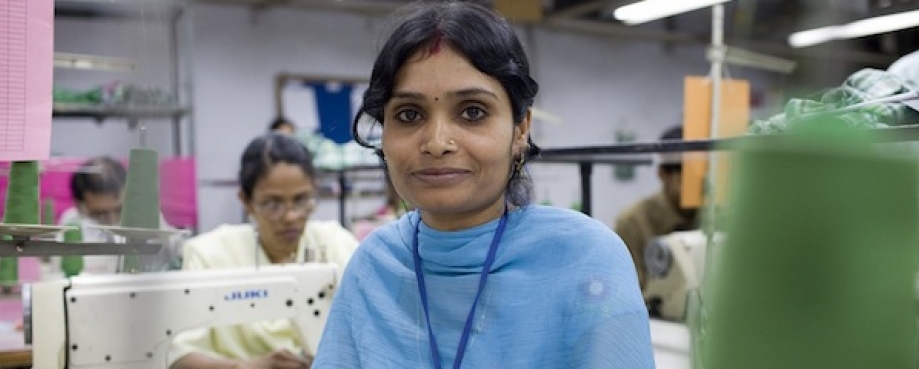
Female garment worker on a factory sewing floor, India

As Living Wage Week comes to an end, the work to try to achieve it for workers in the UK and around the world continues.

At ETI we will continue to keep up with key thinking and developments in the field and prompt critical thinking into practical ways of identifying a Living Wage and increasing wages so that they move closer to this ideal.

For example, we and several of our members are taking part in the European Conference on a Living Wage in Berlin on November 25th and 26th. We hosted a pre-conference consultation with businesses, NGOs and trade unions in London – one of a series across Europe run by the Dutch and German organisers of the conference. The purpose of the conference is to bring together key players from different stakeholder groups – companies, NGOs, trade unions and governments – to bring about “A positive shift towards realising living wages by building an international coalition that actively implements living wages for workers in international supply chains.” There is still time to participate – and you can do so in two ways: 1) Attend the conference in person or 2) Log in to the stakeholder forum and comment on the Declaration of Intent and Action Plan.

Our learning from the conference and from our ongoing work to bring together the latest current Living Wage resources and reports will feed in to a workshop for our members in January at which we will challenge ourselves to explore the underlying drivers of low wages and practical ways that we can increase them.

We have invited speakers from academia, from labour and analysis organisations and from amongst our members themselves to prompt this deeper thinking and to share our experience on practical ways forward.

But we know that there’s only so much you can do in a one day workshop – so this will be just the beginning of the conversation. Members will form ‘communities of practice’ to continue to share their experiences and ideas to continually improve their efforts to improve the wages of workers throughout their supply chains.

As lessons emerge, we will share them on our website (watch this space!) and through our training and resources, so that others can benefit from what we have learned. Together we hope to make significant progress in the journey towards a Living Wage for all workers wherever they might be.

ETI's blog covers issues at the intersection of business and human rights. We feature posts by, for and from our members and allies; we do not accept or offer payment for posts or publish content outside of these criteria. We welcome a range of insights and opinions from our guest bloggers, though don't necessarily agree with everything they say.

Stay up to date

Stay up to date with the latest from ETI via the following channels:
  • Email
  • Twitter
  • LinkedIn
  • Blog RSS

Related content

  • Living wage initiatives
  • Living wage resources
  • Are we at the tipping point for getting the living wage in supply chains?
  • Living wage in the tea industry
  • The Sports Direct ‘how not to follow the ETI Base Code’ manual
  • Why the North East needs the living wage

Get the latest

Subscribe to our email newsletters and stay up to speed on responsible business.

Subscribe

ETI elsewhere

  • Twitter
  • LinkedIn
  • YouTube

Footer

  • ETI Community
  • Accessibility
  • Contact
  • FAQ
  • Jobs at ETI
  • Press resources
  • Security & privacy
Other ETIs: Bangladesh, Denmark, Norway, Sweden
Ethical Trading Initiative | Registered No. 3578127