Home

Main menu

  • About ETI
    • Our members
      • Public reporting performance
    • Who we are
      • ETI's origins
    • What we do
    • Global presence
    • Governance
    • Our team
      • ETI Board members
    • Our Strategy
  • Home
  • Why ETI
    • Why join ETI
  • ETI Base Code
    • Base Code overview
    • Base Code clause 1: Employment is freely chosen
    • Base Code clause 2: Freedom of association
    • Base Code clause 3: Working conditions are safe and hygienic
    • Base Code clause 4: Child labour shall not be used
    • Base Code clause 5: Living wages are paid
    • Base Code clause 6: Working hours are not excessive
    • Base Code clause 7: No discrimination is practiced
    • Base Code clause 8: Regular employment is provided
    • Base Code clause 9: No harsh or inhumane treatment is allowed
  • Our approach
    • Membership
    • Programmes
    • Transparency
    • Meaningful stakeholder engagement (MSE)
  • Our expertise
    • Climate change & Just transitions
    • Crisis response
    • Gender equity in supply chains
    • Worker representation
    • Forced labour & modern slavery
    • Responsible purchasing practices
      • RPP in manufacturing
    • Human rights due diligence
      • HRDD legislation tracker
  • Resources
    • Guidance & reports
    • Blog
      • Blog series: Extreme heat and risks to workers
      • Blog series: Tackling gender-based violence through GRACE
    • Issues
      • Human rights due diligence (HRDD): a complete guide for business
        • What is human rights due diligence?
        • Human rights due diligence legislation and regulatory requirements
        • How to implement human rights due diligence in your company
        • HRDD risk assessment for supply chains
        • Supplier engagement and human rights due diligence
      • Forced labour & modern slavery: a complete guide for business
        • What is modern slavery? Definitions, forms and scale
        • How to identify forced labour in your supply chain
        • Remediation: what to do when forced labour is found
        • Modern slavery legislation: what businesses need to know
        • EU Forced Labour Regulation: what it means for your business
        • How to write a modern slavery statement
        • High-risk sectors and sourcing regions for forced labour
        • Forced labour and migrant workers in supply chains
      • Responsible purchasing practices: what they are and why they matter
        • How to implement responsible purchasing practices
        • Responsible purchasing practices and legislation: what companies need to know
        • Responsible purchasing practices by sector
      • UK mandatory human rights due diligence: what businesses need to know
    • Case studies
    • Training
    • Events
      • ETI Insights series
    • Impact report 2024-25

Breadcrumb

  1. Home
  2. blog

Local Resources Network launched in Kenya

  • Share on Facebook
  • Share on Twitter
  • Share on LinkedIn
  • 17 June 2015
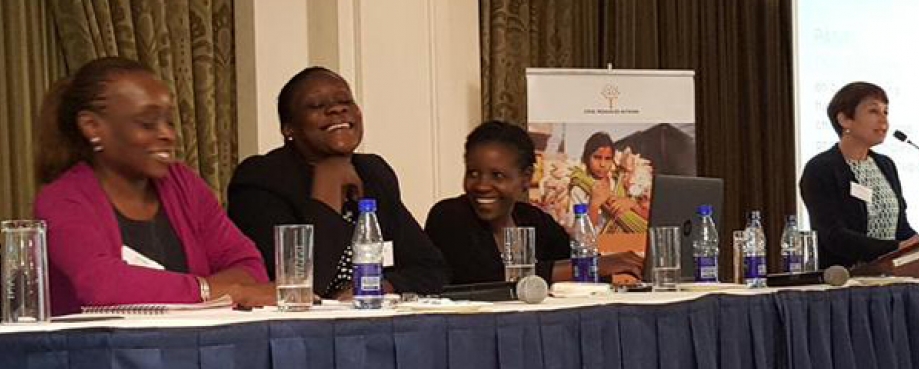
Panelists at the launch of the Local Resources Network, Kenya

Today the Local Resources Network (LRN) was launched at the first regional multi-stakeholder workshop on ethical trade in Kenya.

Over 65 national and international delegates representing companies, producers, suppliers, trade unions, NGOs, donors, academics and capacity building organisations attended a workshop in Nairobi.

The workshop was organised by the Ethical Trading Initiatives of UK, Norway and Denmark to build a pioneering platform for sharing expertise, good practice and networking on ethical trade. Its aim is to advance respect for workers rights and promote sustainability in local and global supply chains.

The LRN seeks to connect brands and retailers with local ethical trade experts and enable peer learning and networking. As one participant said, “We can do more together than on our own.”

The workshop sought to get input and ideas about how the LRN could support local action on business and human rights. Participants grasped the opportunity with enthusiasm and saw huge potential to support their own efforts, and to build momentum for future action. Several delegates said, “This is an ideal network that can help us on our journey to develop a Kenya National Action Plan on Business & Human Rights”.

Applications for membership of the Local Resources Network are now open.

Members will have access to:

  • A quality assured database of local expertise in over 60 countries with relevant knowledge and support for ethical trade opportunities locally and internationally
  • Country guides providing succinct and well-researched information and evidence on human rights issues, labour rights and sustainability, good practice examples and case studies
  • Regional multi-stakeholder forums for peer learning & networking

To find out more about joining and registration, visit www.localresourcesnetwork.net

ETI's blog covers issues at the intersection of business and human rights. We feature posts by, for and from our members and allies; we do not accept or offer payment for posts or publish content outside of these criteria. We welcome a range of insights and opinions from our guest bloggers, though don't necessarily agree with everything they say.

Stay up to date

Stay up to date with the latest from ETI via the following channels:
  • Email
  • Twitter
  • LinkedIn
  • Blog RSS

Related content

  • Ethical business network launches in Pakistan
  • Tackling sexual harassment on Kenyan flower farms
  • How Finlays empowers women through apprenticeships
  • Labour rights abuses on Kenyan avocado farm: update

Get the latest

Subscribe to our email newsletters and stay up to speed on responsible business.

Subscribe

ETI elsewhere

  • Twitter
  • LinkedIn
  • YouTube

Footer

  • ETI Community
  • Accessibility
  • Contact
  • FAQ
  • Jobs at ETI
  • Press resources
  • Security & privacy
Other ETIs: Bangladesh, Denmark, Norway, Sweden
Ethical Trading Initiative | Registered No. 3578127