Forced labour is a symptom of a wider malaise facing workers in global supply chains. Governance gaps and skewed business structures are exacerbating inequality and must be tackled for workers to be properly protected.
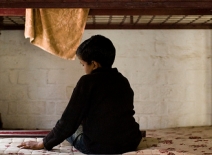
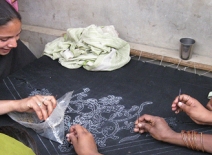
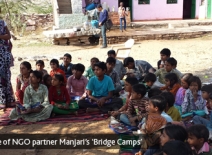
Child labour is harder to find in factories, but still common in informal production. Homeworkers Worldwide and Traidcraft's new toolkit helps companies reduce the risk of child labour in craft supply chains.
Joint statement from ETI, BSCI and SAI urging Bangladeshi public and private partners to make a contribution under the Rana Plaza Arrangement in order to complete the existing funding gap and fully compensate the victims of this tragedy.
ETI has launched a programme to support the sustainable development of Leicester’s garment and textile industry. The programme seeks to address concerns that have been raised in a report on the sector.
The UK has shown admirable commitment and leadership in its ambition to be a global leader in combating modern slavery. But it’s not there yet, says ETI Head of Knowledge & Learning, Cindy Berman.
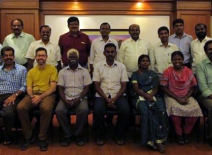
South India's thriving garment sector faces a number of labour rights issues. ETI Apparel and Textiles Category Leader, Martin Buttle, looks at how we're working with local stakeholders to drive change for workers.
With poor access to education and healthcare, there's no overnight fix to child labour in India's stone sector. Bram Callewier of Beltrami gives a candid account of their efforts to tackle the problem.
Are big brands really responsible for the payment of living wages? Sabita Banerji looks at who should take which actions in order to boost workers' pay.
The Modern Slavery Bill was debated in the House of Lords this week and ETI was mentioned several times. Cindy Berman shares our new Briefing Note, and looks at what needs to change to prevent and protect workers from the crime of modern slavery