Home

Main menu

  • About ETI
    • Our members
      • Public reporting performance
    • Who we are
      • ETI's origins
    • What we do
    • Global presence
    • Governance
    • Our team
      • ETI Board members
    • Our Strategy
  • Home
  • Why ETI
    • Why join ETI
  • ETI Base Code
    • Base Code overview
    • Base Code clause 1: Employment is freely chosen
    • Base Code clause 2: Freedom of association
    • Base Code clause 3: Working conditions are safe and hygienic
    • Base Code clause 4: Child labour shall not be used
    • Base Code clause 5: Living wages are paid
    • Base Code clause 6: Working hours are not excessive
    • Base Code clause 7: No discrimination is practiced
    • Base Code clause 8: Regular employment is provided
    • Base Code clause 9: No harsh or inhumane treatment is allowed
  • Our approach
    • Membership
    • Programmes
    • Transparency
    • Meaningful stakeholder engagement (MSE)
  • Our expertise
    • Climate change & Just transitions
    • Crisis response
    • Gender equity in supply chains
    • Worker representation
    • Forced labour & modern slavery
    • Responsible purchasing practices
      • RPP in manufacturing
    • Human rights due diligence
      • HRDD legislation tracker
  • Resources
    • Guidance & reports
    • Blog
      • Blog series: Extreme heat and risks to workers
      • Blog series: Tackling gender-based violence through GRACE
    • Issues
      • Human rights due diligence (HRDD): a complete guide for business
        • What is human rights due diligence?
        • Human rights due diligence legislation and regulatory requirements
        • How to implement human rights due diligence in your company
        • HRDD risk assessment for supply chains
        • Supplier engagement and human rights due diligence
      • Forced labour & modern slavery: a complete guide for business
        • What is modern slavery? Definitions, forms and scale
        • How to identify forced labour in your supply chain
        • Remediation: what to do when forced labour is found
        • Modern slavery legislation: what businesses need to know
        • EU Forced Labour Regulation: what it means for your business
        • How to write a modern slavery statement
        • High-risk sectors and sourcing regions for forced labour
        • Forced labour and migrant workers in supply chains
      • Responsible purchasing practices: what they are and why they matter
        • How to implement responsible purchasing practices
        • Responsible purchasing practices and legislation: what companies need to know
        • Responsible purchasing practices by sector
      • UK mandatory human rights due diligence: what businesses need to know
    • Case studies
    • Training
    • Events
      • ETI Insights series
    • Impact report 2024-25

Blog

Young female trainee leather workers in a factory, Gazipur, Bangladesh

Two years of working for safety in Bangladesh

5 June 2015
The Bangladesh Accord on Fire and Building Safety is two years old. Stirling Smith examines its achievements.
Female garment factory workers, Cambodia

The importance of trade unions

3 June 2015
ETI Director Peter McAllister endorses comments from the the US Ambassador to Cambodia on the role trade unions there can play in sustaining democracies and giving vulnerable workers a voice.
ETI publishes external evaluation

ETI publishes external evaluation

2 June 2015
ETI recently commissioned an external evaluation to assess progress against our vision and theory of change, as well as our capacity to deliver on our forthcoming strategy for 2015 – 2020.
India's garment sector

What is the True Cost of the garment sector?

29 May 2015
New documentary True Cost exposes some challenging truths about the human impact of the garment sector. But does it tell the whole story?
Worker voice and representation - booking now

Need progress on Living wage? Then boost worker participation

26 May 2015
Workers' ability to negotiate their own terms and conditions of work makes for an effective way of securing ethical trade in supply chains. Our Worker voice and representation course will show you how.
Construction site, India

Two paths for labour law in India

19 May 2015
If you source from India, keep an eye on labour law changes. Stirling Smith wonders which way India will go.
Sunlight soap factory, 1897. Photo: English Heritage

A glimpse into the history of ethical trade

13 May 2015
Stirling Smith digs into the archives and finds that the campaign for ethical trade was very active a century ago.
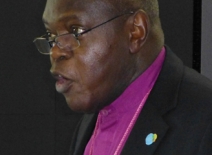
Archbishop of York

IT'S NOT FAIR!

8 May 2015
Sabita Banerji gets to the heart of the Living wage issue, and reports on the rallying cry from the Archbishop of York at the recent ETI and Global Compact Network UK’s living wage conference.

ETIs launch new briefing on living wages

1 May 2015
We have teamed up with the Ethical Trading Initiatives in Denmark and Norway to publish a new briefing on living wages in supply chains. ‘Living wages in global supply chains: a new agenda for business’ was launched in London this week, to an audience of businesses, NGOs, trade unions and stakeholders.
Workers demonstrate for compensation and safe conditions after Rana Plaza building collapse, Bangladesh | Photo: Awaj Foundation

Remembering the Rana Plaza disaster

23 April 2015
This Friday 24 April, we must stop and remember. This date marks the two year anniversary of a horrific tragedy – the collapse of Bangladesh’s Rana Plaza that took the lives of more than 1,100 workers and injured thousands more.

ETI responds to story on vegetable and salad pickers in Spain

15 April 2015
We are appalled by news today that migrant workers in southern Spain are facing workers’ rights abuses.

Welcoming the Modern Slavery Act 2015

31 March 2015
We welcome the Modern Slavery Act 2015 passing into law and applaud the British government for passing this important piece of legislation. The Act is the first of its kind in Europe, and one of the first in the world, to address slavery and trafficking in the 21st century.

Pagination

  • Previous page ‹‹
  • Page 70
  • Next page ››

Get the latest

Subscribe to our email newsletters and stay up to speed on responsible business.
Subscribe

ETI elsewhere

  • Twitter
  • LinkedIn
  • YouTube

Footer

  • ETI Community
  • Accessibility
  • Contact
  • FAQ
  • Jobs at ETI
  • Press resources
  • Security & privacy
Other ETIs: Bangladesh, Denmark, Norway, Sweden
Ethical Trading Initiative | Registered No. 3578127