Home

Main menu

  • Home
  • Why ETI
    • Why join ETI
  • ETI Base Code
    • Base Code overview
    • Base Code clause 1: Employment is freely chosen
    • Base Code clause 2: Freedom of association
    • Base Code clause 3: Working conditions are safe and hygienic
    • Base Code clause 4: Child labour shall not be used
    • Base Code clause 5: Living wages are paid
    • Base Code clause 6: Working hours are not excessive
    • Base Code clause 7: No discrimination is practiced
    • Base Code clause 8: Regular employment is provided
    • Base Code clause 9: No harsh or inhumane treatment is allowed
  • Our approach
    • Membership
    • Programmes
    • Transparency
    • Meaningful stakeholder engagement (MSE)
  • Our expertise
    • Climate change & Just transitions
    • Crisis response
    • Gender equality in supply chains
    • Worker representation
    • Forced labour & modern slavery
    • Responsible purchasing practices
      • RPP in manufacturing
    • Human rights due diligence
      • HRDD legislation tracker
  • Resources
    • Guidance & reports
    • Blog
      • Blog series: Tackling gender-based violence through GRACE
    • Case studies
    • Training
    • Events
      • ETI Insights series
    • Impact report 2024-25
  • About ETI
    • Who we are
      • ETI's origins
    • What we do
    • Our members
      • Public reporting performance
    • Global presence
    • Governance
    • Our team
      • ETI Board members

Blog

New law on sexual harassment in India - game changer?

Sexual harassment in the workplace

2 July 2013
The new law on sexual harassment at the workplace in India: could this be the game changer that enables ETI members and others to push for action on the discrimination provisions in the ETI Base Code?

New course for retailers and brands – homeworkers in global supply chains

25 June 2013
We have launched a new interactive training workshop for British retailers and brands working in supply chains where there are homeworkers.
Poverty in Kenyan fresh produce

Poverty in Kenyan fresh produce

20 May 2013
A footprint of poverty in Kenyan fresh produce: Oxfam’s new report with IPL
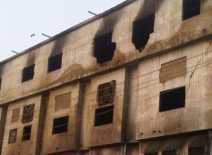
ETI welcomes Accord on Fire and Building Safety in Bangladesh

ETI welcomes Accord on Fire and Building Safety in Bangladesh

14 May 2013
ETI welcomes the Accord on Fire and Building Safety in Bangladesh, which sets out an international course of action for addressing the chronic health and safety issues in Bangladesh’s garment sector.
Fabric for garments

Factory collapse: a view from Dhaka

13 May 2013
While the West questions brands, anguish in the Bangladesh media has focused on the government's failure to implement building law. An independent view from Stirling Smith.

Linda's story

4 May 2013
"It was very difficult to leave Latvia. I had no idea how to find a job and where I could live."

Mary's story

4 May 2013
"It gets very hot out in the field, and I often get headaches"

Miriam's story

4 May 2013
"I'm able to balance family responsibilities and work ok"

Fatuma's story

4 May 2013
"They refused to give me any other duties, and terminated my employment. I felt so sick I didn't really care." 

Sawuma's story

4 May 2013

Kamlesh's story

4 May 2013
"In the old days there were too many hours"

Vita's story

4 May 2013
"I'm really proud of what I've achieved. I'm saving money and looking forward to the future."

Pagination

  • Previous page ‹‹
  • Page 76
  • Next page ››

Get the latest

Subscribe to our email newsletters and stay up to speed on responsible business.

Subscribe

ETI elsewhere

  • Twitter
  • LinkedIn
  • YouTube

Footer

  • ETI Community
  • Accessibility
  • Contact
  • FAQ
  • Jobs at ETI
  • Press resources
  • Security & privacy
Other ETIs: Bangladesh, Denmark, Norway, Sweden
Ethical Trading Initiative | Registered No. 3578127