Home

Main menu

  • About ETI
    • Our members
      • Public reporting performance
    • Who we are
      • ETI's origins
    • What we do
    • Global presence
    • Governance
    • Our team
      • ETI Board members
    • Our Strategy
  • Home
  • Why ETI
    • Why join ETI
  • ETI Base Code
    • Base Code overview
    • Base Code clause 1: Employment is freely chosen
    • Base Code clause 2: Freedom of association
    • Base Code clause 3: Working conditions are safe and hygienic
    • Base Code clause 4: Child labour shall not be used
    • Base Code clause 5: Living wages are paid
    • Base Code clause 6: Working hours are not excessive
    • Base Code clause 7: No discrimination is practiced
    • Base Code clause 8: Regular employment is provided
    • Base Code clause 9: No harsh or inhumane treatment is allowed
  • Our approach
    • Membership
    • Programmes
    • Transparency
    • Meaningful stakeholder engagement (MSE)
  • Our expertise
    • Climate change & Just transitions
    • Crisis response
    • Gender equity in supply chains
    • Worker representation
    • Forced labour & modern slavery
    • Responsible purchasing practices
      • RPP in manufacturing
    • Human rights due diligence
      • HRDD legislation tracker
  • Resources
    • Guidance & reports
    • Blog
      • Blog series: Extreme heat and risks to workers
      • Blog series: Tackling gender-based violence through GRACE
    • Issues
      • Human rights due diligence (HRDD): a complete guide for business
        • What is human rights due diligence?
        • Human rights due diligence legislation and regulatory requirements
        • How to implement human rights due diligence in your company
        • HRDD risk assessment for supply chains
        • Supplier engagement and human rights due diligence
      • Forced labour & modern slavery: a complete guide for business
        • What is modern slavery? Definitions, forms and scale
        • How to identify forced labour in your supply chain
        • Remediation: what to do when forced labour is found
        • Modern slavery legislation: what businesses need to know
        • EU Forced Labour Regulation: what it means for your business
        • How to write a modern slavery statement
        • High-risk sectors and sourcing regions for forced labour
        • Forced labour and migrant workers in supply chains
      • Responsible purchasing practices: what they are and why they matter
        • How to implement responsible purchasing practices
        • Responsible purchasing practices and legislation: what companies need to know
        • Responsible purchasing practices by sector
      • UK mandatory human rights due diligence: what businesses need to know
    • Case studies
    • Training
    • Events
      • ETI Insights series
    • Impact report 2024-25

Blog

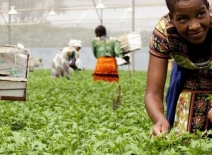
Woman picking fresh produce in a large covered greenhouse, Tanzania

Living wage - how much is enough?

3 November 2013
Opening a series of insights with a look at the challenges of implementing living wages in a global economy, Sabita Banerji asks who's making progress and where they can look to for support.
Debbie Coulter, Duncan Robertson, Chris Harrop

New business and human rights programme for Rajasthan sandstone sector

1 November 2013
UK building, construction and landscaping sector leaders recently learned about a new business and human rights programme in the export sandstone sector of Rajasthan, India.
Graph of UK banana retail price

Crisis time for banana pricing?

31 October 2013
Does banana pricing in the UK leave producers and workers short-changed? 
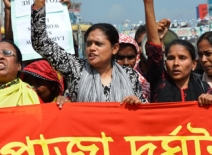
Women demonstrate at the collapsed Rana Plaza site, Bangladesh

Rana Plaza 6 month anniversary: momentum must continue

24 October 2013
Six months ago today a multi-use building in Bangladesh collapsed, killing more than 1,100 workers. We take this opportunity to send our wishes of support to those who suffered injury during the Rana Plaza collapse as well as to those who lost colleagues, family and friends.
Demonstrations marking the Rana Plaza building collapse, Bangladesh | Photo: Awaj Foundation

Rana Plaza – six months on

24 October 2013
It is six months since the Rana Plaza collapse, with the deaths of 1,127 workers and nearly 2,000 workers injured. How do we stop another disaster?
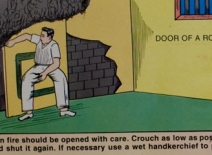
Fire safety poster, India

Questioning fire safety in factories

11 October 2013
Fires in South Asia garment factories: why do they start, why do they spread, and why can't workers get out?  

Gazipur factory fire a further call to action

9 October 2013
We are deeply saddened by news from Aswad Composite Mills in Gazipur, Bangladesh that a tragic fire has claimed the lives of at least 10 people.
Homeworking in the UK: a practical and ethical guide for businesses

Homeworking in the UK: new guide

9 October 2013
A new guide shows how a best practice approach to homeworking can help businesses, and offers practical guidance on UK employment law .
BBC Panorama's Richard Bilton

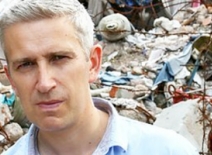
BBC Panorama turns lens on Bangladesh’s garment sector

24 September 2013
Last night, BBC One’s Panorama took viewers to garment factories in Dhaka, Bangladesh in a special investigation into the chronic workers’ rights issues that plague this sector.
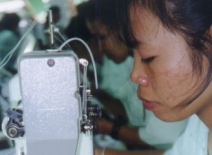
Garment factory, China

Lessons in decent work

19 September 2013
Penny Street talks to the TUC's Sam Gurney about ETI's Decent Work project to promote worker-management dialogue in China.

Compensation for Tazreen Fashions and Rana Plaza victims

13 September 2013
Yesterday saw the close of two days of compensation talks for Tazreen Fashions factory fire and Rana Plaza collapse victims and their families. The meetings took place in Geneva, facilitated by global trade union IndustriALL and attended by 11 international brands and retailers.
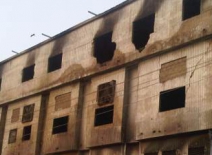
Ali Enterprises, Baldia, Pakistan

One year after Pakistan’s Baldia factory fire

11 September 2013
While progress has been made after two horrific factory disasters in Bangladesh, everybody seems to have forgotten about Pakistan’s worst-ever industrial disaster.

Pagination

  • Previous page ‹‹
  • Page 77
  • Next page ››

Get the latest

Subscribe to our email newsletters and stay up to speed on responsible business.

Subscribe

ETI elsewhere

  • Twitter
  • LinkedIn
  • YouTube

Footer

  • ETI Community
  • Accessibility
  • Contact
  • FAQ
  • Jobs at ETI
  • Press resources
  • Security & privacy
Other ETIs: Bangladesh, Denmark, Norway, Sweden
Ethical Trading Initiative | Registered No. 3578127