Get the latest
Subscribe to our email newsletters and stay up to speed on responsible business.

Gender equity is not only a matter of human rights — it is essential to building fair, resilient and sustainable global supply chains.
Yet across the world, women working in supply chains remain disproportionately affected by discrimination, low pay, insecure work, and gender-based violence and harassment.

We are leaders in gender-responsive human rights due diligence, specifically when it comes to tackling gender-based violence and harassment, which is the result of workplaces and supply chains that reinforce unequal power relations and fail to invest in proactive measures to address discrimination and norms in the workplace that contribute to this risk.
Gender equity is a complex and intersectional issue that requires a long-term approach. Achieving gender equity requires changes in how many companies operate, recognising and addressing the systemic inequalities that affect workers along the lines of gender. This requires taking a gender lens to the way workplaces are structured and organised to understand the needs that workers have according to their genders — and to identify the interventions required to avoid perpetuating systemic inequalities.
Women make up a significant proportion of the global supply chain workforce — especially in sectors such as manufacturing and agriculture. However, they are concentrated in low-paid and insecure positions, and under-represented in leadership or decision-making spaces.
Women are also more likely to experience the following issues precisely because their needs and their experiences arising from their gendered roles and identities are not taken into sufficient consideration through their representation in the design of workplace policies:
Unless companies actively identify and respond to these realities, their HRDD efforts risk missing or even reinforcing harm.

Gender-responsive approaches actively address inequalities using a gender lens, which is both good practice and good business.
Companies that proactively address gender inequity benefit from:
Gender-responsive due diligence helps companies identify overlooked risks, understand the diverse experiences of workers, and develop more effective solutions — making fairer and safer workplaces for everyone and contributing to long-term supply chain resilience.
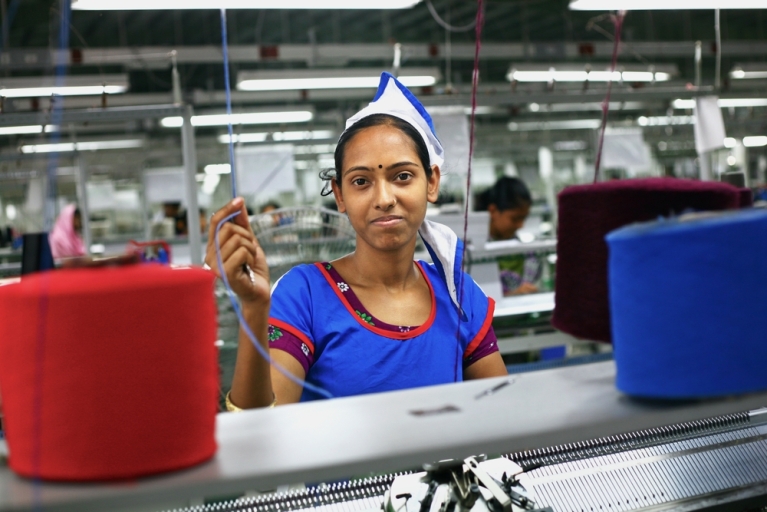
The Ethical Trading Initiative (ETI) supports companies to build gender equity into their supply chain practices through a range of practical initiatives. Our work includes:
Through these initiatives, ETI empowers businesses to move beyond compliance — towards transformative action that delivers real change for all workers.
