Home

Main menu

  • About ETI
    • Our members
      • Public reporting performance
    • Who we are
      • ETI's origins
    • What we do
    • Global presence
    • Governance
    • Our team
      • ETI Board members
    • Our Strategy
  • Home
  • Why ETI
    • Why join ETI
  • ETI Base Code
    • Base Code overview
    • Base Code clause 1: Employment is freely chosen
    • Base Code clause 2: Freedom of association
    • Base Code clause 3: Working conditions are safe and hygienic
    • Base Code clause 4: Child labour shall not be used
    • Base Code clause 5: Living wages are paid
    • Base Code clause 6: Working hours are not excessive
    • Base Code clause 7: No discrimination is practiced
    • Base Code clause 8: Regular employment is provided
    • Base Code clause 9: No harsh or inhumane treatment is allowed
  • Our approach
    • Membership
    • Programmes
    • Transparency
    • Meaningful stakeholder engagement (MSE)
  • Our expertise
    • Climate change & Just transitions
    • Crisis response
    • Gender equity in supply chains
    • Worker representation
    • Forced labour & modern slavery
    • Responsible purchasing practices
      • RPP in manufacturing
    • Human rights due diligence
      • HRDD legislation tracker
  • Resources
    • Guidance & reports
    • Blog
      • Blog series: Extreme heat and risks to workers
      • Blog series: Tackling gender-based violence through GRACE
    • Issues
      • Human rights due diligence (HRDD): a complete guide for business
        • What is human rights due diligence?
        • Human rights due diligence legislation and regulatory requirements
        • How to implement human rights due diligence in your company
        • HRDD risk assessment for supply chains
        • Supplier engagement and human rights due diligence
      • Forced labour & modern slavery: a complete guide for business
        • What is modern slavery? Definitions, forms and scale
        • How to identify forced labour in your supply chain
        • Remediation: what to do when forced labour is found
        • Modern slavery legislation: what businesses need to know
        • EU Forced Labour Regulation: what it means for your business
        • How to write a modern slavery statement
        • High-risk sectors and sourcing regions for forced labour
        • Forced labour and migrant workers in supply chains
      • Responsible purchasing practices: what they are and why they matter
        • How to implement responsible purchasing practices
        • Responsible purchasing practices and legislation: what companies need to know
        • Responsible purchasing practices by sector
    • Case studies
    • Training
    • Events
      • ETI Insights series
    • Impact report 2024-25

Breadcrumb

  1. Home
  2. blog

CBP decision on tuna linked to forced labour “a wake up call for companies”

  • Share on Facebook
  • Share on Twitter
  • Share on LinkedIn
  • Lindsay Wright - ETI
  • 12 May 2020
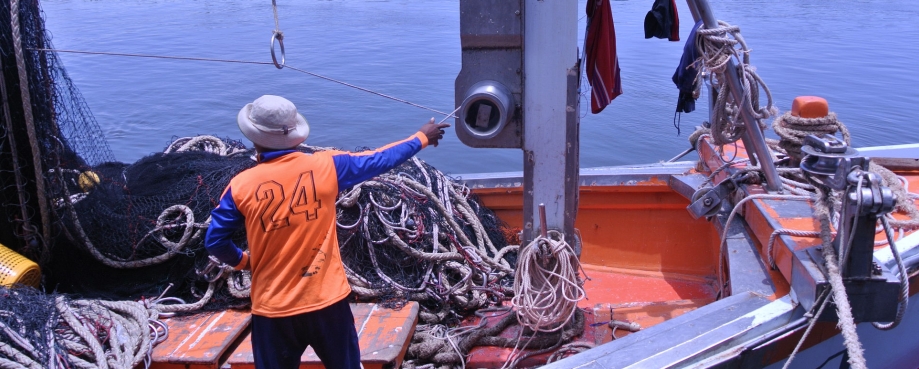
Migrant fisherman, Thailand

The decision by US Customs and Border Protection (CBP) to detain tuna imports linked to slave labour has been described as “a wake up call” to companies about the importance of carrying out human rights due diligence.

CBP has taken the decision to impound merchandise made wholly or in part with seafood harvested by the Yu Long No 2, a Taiwanese fishing vessel, at all US ports of entry, from 11 May, after receiving information that the vessel was linked to forced labour. 

Nick Kightley, ETI’s Strategic Lead, Food and Farming, comments: “The CBP decision has sent a clear message to companies that turning a blind eye to where their products come from is no longer an option. 

“Those that fail to heed the wake-up call, by both failing to know, and failing to act, will be exposing their businesses to significant risk. The US’s strong stance is to be applauded. State regulation has to be a part of responsible business practices, and is much needed if laws and standards are to be respected internationally.

Conducting Human Rights Due Diligence during the Covid-19 crisis is particularly challenging - as in many cases it is not possible to conduct conventional audits - but also more important than ever. ETI’s Human Rights Due Diligence Framework is a guide for companies to help them prevent and manage labour rights risks. 

Read the full details of the CBP case 

ETI's blog covers issues at the intersection of business and human rights. We feature posts by, for and from our members and allies; we do not accept or offer payment for posts or publish content outside of these criteria. We welcome a range of insights and opinions from our guest bloggers, though don't necessarily agree with everything they say.

Stay up to date

Stay up to date with the latest from ETI via the following channels:
  • Email
  • Twitter
  • LinkedIn
  • Blog RSS

Related content

  • Vulnerable employment is on the rise
  • Italian tomatoes: no more excuses over labour exploitation
  • One in a million - or why are UK employers getting away with third world conditions?
  • Labour rights in Cambodia - reflections and questions
  • Myanmar MSI Public Statement
  • Gender inequality in international supply chains

Get the latest

Subscribe to our email newsletters and stay up to speed on responsible business.

Subscribe

ETI elsewhere

  • Twitter
  • LinkedIn
  • YouTube

Footer

  • ETI Community
  • Accessibility
  • Contact
  • FAQ
  • Jobs at ETI
  • Press resources
  • Security & privacy
Other ETIs: Bangladesh, Denmark, Norway, Sweden
Ethical Trading Initiative | Registered No. 3578127