Home

Main menu

  • About ETI
    • Our members
      • Public reporting performance
    • Who we are
      • ETI's origins
    • What we do
    • Global presence
    • Governance
    • Our team
      • ETI Board members
    • Our Strategy
  • Home
  • Why ETI
    • Why join ETI
  • ETI Base Code
    • Base Code overview
    • Base Code clause 1: Employment is freely chosen
    • Base Code clause 2: Freedom of association
    • Base Code clause 3: Working conditions are safe and hygienic
    • Base Code clause 4: Child labour shall not be used
    • Base Code clause 5: Living wages are paid
    • Base Code clause 6: Working hours are not excessive
    • Base Code clause 7: No discrimination is practiced
    • Base Code clause 8: Regular employment is provided
    • Base Code clause 9: No harsh or inhumane treatment is allowed
  • Our approach
    • Membership
    • Programmes
    • Transparency
    • Meaningful stakeholder engagement (MSE)
  • Our expertise
    • Climate change & Just transitions
    • Crisis response
    • Gender equity in supply chains
    • Worker representation
    • Forced labour & modern slavery
    • Responsible purchasing practices
      • RPP in manufacturing
    • Human rights due diligence
      • HRDD legislation tracker
  • Resources
    • Guidance & reports
    • Blog
      • Blog series: Tackling gender-based violence through GRACE
    • Issues
      • Human rights due diligence (HRDD): a complete guide for business
        • What is human rights due diligence?
        • Human rights due diligence legislation and regulatory requirements
        • How to implement human rights due diligence in your company
        • HRDD risk assessment for supply chains
        • Supplier engagement and human rights due diligence
      • Forced labour & modern slavery: a complete guide for business
        • What is modern slavery? Definitions, forms and scale
        • How to identify forced labour in your supply chain
        • Remediation: what to do when forced labour is found
        • Modern slavery legislation: what businesses need to know
        • EU Forced Labour Regulation: what it means for your business
        • How to write a modern slavery statement
        • High-risk sectors and sourcing regions for forced labour
        • Forced labour and migrant workers in supply chains
      • Responsible purchasing practices: what they are and why they matter
        • How to implement responsible purchasing practices
        • Responsible purchasing practices and legislation: what companies need to know
        • Responsible purchasing practices by sector
    • Case studies
    • Training
    • Events
      • ETI Insights series
    • Impact report 2024-25

Breadcrumb

  1. Home
  2. blog

ETI supports calls for new Myanmar minimum wage to apply to garment sector

  • Share on Facebook
  • Share on Twitter
  • Share on LinkedIn
  • 15 July 2015
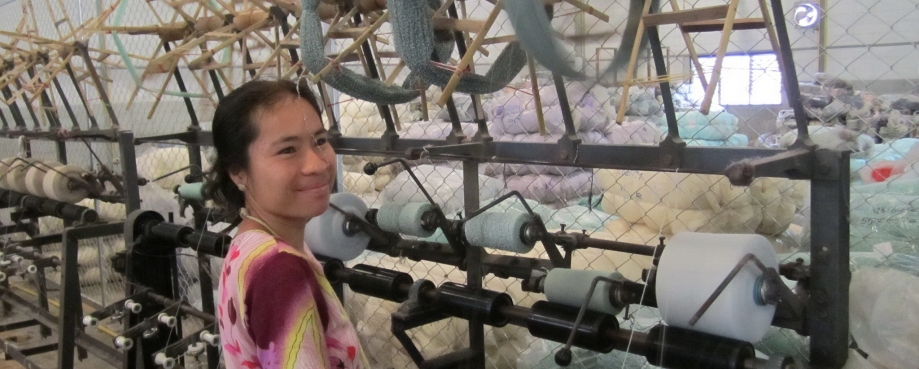
Photo: ILO/Areeluck Phankhian

ETI and its members support international calls for Myanmar’s new minimum wage to be applied countrywide. We have articulated this stance in a letter to the Myanmar government, urging it to resist the request for an exemption from the country’s garment manufacturers.

Our letter was sent on behalf of ETI member companies that are currently sourcing from Myanmar, or considering investing in the country, and wish to see garment sector growth being underpinned by the provision of decent employment for Myanmar workers.

On 29 June, Myanmar’s government announced a new minimum wage of 3,600 Kyat (approx $3.21/day), following a year of consultation with unions and employers. This proposed rate represents a compromise between what industry groups were calling for ($2,500 Kyat) and unions ($4,000 Kyat) were calling for. Last Thursday, Myanmar’s garment factory owners unanimously voted against the proposed minimum wage, which has been broadly welcomed by trade unions.

We wish to counter the claims of Myanmar’s garment manufacturers and employers associations that higher wages will dissuade foreign investors. A minimum wage that has been negotiated by all parties will attract rather than deter international companies from buying garments from Myanmar, particularly companies such as ETI members that have committed to upholding international labour rights standards in their global supply chains.

If Myanmar’s garment industry wage levels are lower than other industries, the sector will not be able to retain the skilled labour force it needs to play its part in driving economic growth. Decent working conditions and stable industrial relations are also key conditions that would allow our member companies to build long-term trade relations with Myanmar. An exemption would mean garment workers being unfairly denied a wage that meets their basic needs, and could lead to work stoppages and industrial unrest – conditions that are far more likely to see international brands reconsider their investment in Myanmar than payment of a national minimum wage. 

ETI Director Peter McAllister said, “While Myanmar presents particular challenges to companies to trade responsibly, there are opportunities to avoid many of the pitfalls seen in other sourcing countries. We urge Myanmar’s government to take a firm stance to help improve conditions - it is vital to ensure that the first ever minimum wage level doesn't lock workers from one sector into poverty.”

ETI's blog covers issues at the intersection of business and human rights. We feature posts by, for and from our members and allies; we do not accept or offer payment for posts or publish content outside of these criteria. We welcome a range of insights and opinions from our guest bloggers, though don't necessarily agree with everything they say.

Stay up to date

Stay up to date with the latest from ETI via the following channels:
  • Email
  • Twitter
  • LinkedIn
  • Blog RSS

Related content

  • Cambodia, Myanmar and the EU's 'Everything But Arms' trade deal
  • Cambodia crackdowns, Rohingya crisis: where business meets human rights
  • What does due diligence mean in Myanmar?
  • Ruggie advises caution over Burma/Myanmar
  • ETI Impact report 2021-23
  • Human rights due diligence in challenging contexts: Joint ETIs report

Get the latest

Subscribe to our email newsletters and stay up to speed on responsible business.
Subscribe

ETI elsewhere

  • Twitter
  • LinkedIn
  • YouTube

Footer

  • ETI Community
  • Accessibility
  • Contact
  • FAQ
  • Jobs at ETI
  • Press resources
  • Security & privacy
Other ETIs: Bangladesh, Denmark, Norway, Sweden
Ethical Trading Initiative | Registered No. 3578127