Home

Main menu

  • About ETI
    • Our members
      • Public reporting performance
    • Who we are
      • ETI's origins
    • What we do
    • Global presence
    • Governance
    • Our team
      • ETI Board members
    • Our Strategy
  • Home
  • Why ETI
    • Why join ETI
  • ETI Base Code
    • Base Code overview
    • Base Code clause 1: Employment is freely chosen
    • Base Code clause 2: Freedom of association
    • Base Code clause 3: Working conditions are safe and hygienic
    • Base Code clause 4: Child labour shall not be used
    • Base Code clause 5: Living wages are paid
    • Base Code clause 6: Working hours are not excessive
    • Base Code clause 7: No discrimination is practiced
    • Base Code clause 8: Regular employment is provided
    • Base Code clause 9: No harsh or inhumane treatment is allowed
  • Our approach
    • Membership
    • Programmes
    • Transparency
    • Meaningful stakeholder engagement (MSE)
  • Our expertise
    • Climate change & Just transitions
    • Crisis response
    • Gender equity in supply chains
    • Worker representation
    • Forced labour & modern slavery
    • Responsible purchasing practices
      • RPP in manufacturing
    • Human rights due diligence
      • HRDD legislation tracker
  • Resources
    • Guidance & reports
    • Blog
      • Blog series: Extreme heat and risks to workers
      • Blog series: Tackling gender-based violence through GRACE
    • Issues
      • Human rights due diligence (HRDD): a complete guide for business
        • What is human rights due diligence?
        • Human rights due diligence legislation and regulatory requirements
        • How to implement human rights due diligence in your company
        • HRDD risk assessment for supply chains
        • Supplier engagement and human rights due diligence
      • Forced labour & modern slavery: a complete guide for business
        • What is modern slavery? Definitions, forms and scale
        • How to identify forced labour in your supply chain
        • Remediation: what to do when forced labour is found
        • Modern slavery legislation: what businesses need to know
        • EU Forced Labour Regulation: what it means for your business
        • How to write a modern slavery statement
        • High-risk sectors and sourcing regions for forced labour
        • Forced labour and migrant workers in supply chains
      • Responsible purchasing practices: what they are and why they matter
        • How to implement responsible purchasing practices
        • Responsible purchasing practices and legislation: what companies need to know
        • Responsible purchasing practices by sector
    • Case studies
    • Training
    • Events
      • ETI Insights series
    • Impact report 2024-25

Breadcrumb

  1. Home
  2. blog

Blog series: Extreme heat and risks to workers

  • Share on Facebook
  • Share on Twitter
  • Share on LinkedIn
  • George Williams - ETI
  • 2 September 2026
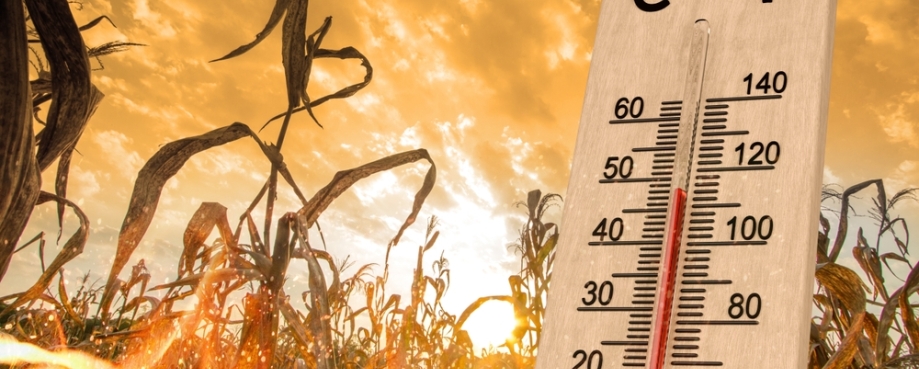
Thermometer showing +45C temparature against backdrop of parched crops under hot sun
Blog post

Too hot to ignore: Why purchasing practices are critical to addressing extreme heat risks for workers

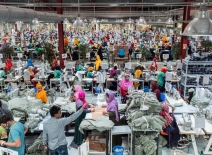
Garment factory, Bangladesh
Extreme heat is no longer a distant risk, it's a daily reality for garment workers and suppliers. As new NYU Stern research shows, purchasing practices must evolve to meet it.
Read more
Blog post

Taking action on workplace heat

Extreme heat, driven by climate change
As record-breaking heat pushes the planet toward the 1.5°C limit, this blog reveals how extreme temperatures are already affecting millions of workers and why businesses can’t afford to ignore the risk. Discover how one factory’s simple, low-cost changes cut heat stress and boosted productivity, proving that protecting workers isn’t just urgen, it’s smart.
Read more
Blog post

Workers’ rights in a rapidly warming world

Low sun over a polluted urban skyline
As the dust settles on a disappointing and at times fractious COP in Azerbaijan, ETI reflects on the increasing saliency of extreme heat as a human rights risk for workers in global supply chains.
Read more
Blog post

How can brands and suppliers protect garment workers from the risks of extreme heat?

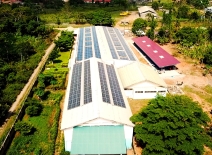
Maagrace solar panel and wellbeing center. Photo credit: Ethical Apparel Africa.
Learn from practical steps Ethical Apparel Africa are taking to mitigate risks of extreme heat in their factory, alongside essential processes brands and suppliers should take to respond to climate change risks.
Read more
ETI's blog covers issues at the intersection of business and human rights. We feature posts by, for and from our members and allies; we do not accept or offer payment for posts or publish content outside of these criteria. We welcome a range of insights and opinions from our guest bloggers, though don't necessarily agree with everything they say.

Main menu (sub nav)

  • Blog series: Extreme heat and risks to workers
  • Blog series: Tackling gender-based violence through GRACE

Stay up to date

Stay up to date with the latest from ETI via the following channels:
  • Email
  • Twitter
  • LinkedIn
  • Blog RSS

Related content

  • Extreme Heat Impact Study: OECD 2026 Presentation
  • Extreme Heat: Risks for workers in global supply chains
  • ETI insights: Climate Change - Addressing extreme heat impacts for workers
  • Workers’ rights in a rapidly warming world
  • How can brands and suppliers protect garment workers from the risks of extreme heat?

Get the latest

Subscribe to our email newsletters and stay up to speed on responsible business.

Subscribe

ETI elsewhere

  • Twitter
  • LinkedIn
  • YouTube

Footer

  • ETI Community
  • Accessibility
  • Contact
  • FAQ
  • Jobs at ETI
  • Press resources
  • Security & privacy
Other ETIs: Bangladesh, Denmark, Norway, Sweden
Ethical Trading Initiative | Registered No. 3578127