Home

Main menu

  • About ETI
    • Our members
      • Public reporting performance
    • Who we are
      • ETI's origins
    • What we do
    • Global presence
    • Governance
    • Our team
      • ETI Board members
    • Our Strategy
  • Home
  • Why ETI
    • Why join ETI
  • ETI Base Code
    • Base Code overview
    • Base Code clause 1: Employment is freely chosen
    • Base Code clause 2: Freedom of association
    • Base Code clause 3: Working conditions are safe and hygienic
    • Base Code clause 4: Child labour shall not be used
    • Base Code clause 5: Living wages are paid
    • Base Code clause 6: Working hours are not excessive
    • Base Code clause 7: No discrimination is practiced
    • Base Code clause 8: Regular employment is provided
    • Base Code clause 9: No harsh or inhumane treatment is allowed
  • Our approach
    • Membership
    • Programmes
    • Transparency
    • Meaningful stakeholder engagement (MSE)
  • Our expertise
    • Climate change & Just transitions
    • Crisis response
    • Gender equity in supply chains
    • Worker representation
    • Forced labour & modern slavery
    • Responsible purchasing practices
      • RPP in manufacturing
    • Human rights due diligence
      • HRDD legislation tracker
  • Resources
    • Guidance & reports
    • Blog
      • Blog series: Tackling gender-based violence through GRACE
    • Issues
      • Human rights due diligence (HRDD): a complete guide for business
        • What is human rights due diligence?
        • Human rights due diligence legislation and regulatory requirements
        • How to implement human rights due diligence in your company
        • HRDD risk assessment for supply chains
        • Supplier engagement and human rights due diligence
      • Forced labour & modern slavery: a complete guide for business
        • What is modern slavery? Definitions, forms and scale
        • How to identify forced labour in your supply chain
        • Remediation: what to do when forced labour is found
        • Modern slavery legislation: what businesses need to know
        • EU Forced Labour Regulation: what it means for your business
        • How to write a modern slavery statement
        • High-risk sectors and sourcing regions for forced labour
        • Forced labour and migrant workers in supply chains
      • Responsible purchasing practices: what they are and why they matter
        • How to implement responsible purchasing practices
        • Responsible purchasing practices and legislation: what companies need to know
        • Responsible purchasing practices by sector
    • Case studies
    • Training
    • Events
      • ETI Insights series
    • Impact report 2024-25

Breadcrumb

  1. Home
  2. blog

Guest vlog: Oxfam's Rosa Polaschek on how supermarkets can mitigate the impact of Covid-19 on supply chain workers, especially women

  • Share on Facebook
  • Share on Twitter
  • Share on LinkedIn
  • Lindsay Wright - ETI
  • 17 August 2020
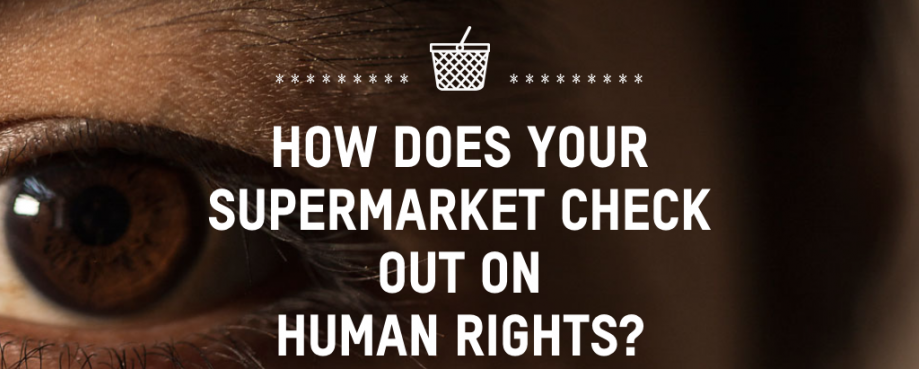
How does your supermarket check out on human rights?

Oxfam's private sector team Policy Advisor, Rosa Polaschek gives a rundown on the latest findings from their 'Behind the Barcodes' scorecard, and which supermarkets in the UK have made the most progress on improving labour standards in their supply chains. Find out which supermarkets have committed to removing unfair practices in light of COVID-19.

Blog post

Nick Kightley, ETI's Strategic Lead for Food, Farming and Fisheries respond's to Oxfam's 2020 Behind the Barcodes scorecard

ETI members hold 5 of the top 6 places in the Behind the Barcodes scorecard and Tesco continues to be the benchmark against which to measure others. Nick Kightley reflects on how supermarkets have sought to communicate with suppliers, understand their challenges and provide advice and support during Covid-19
Read more
Blog post

COVID-19: Oxfam's initial ethical trade response

VIDEO: Oxfam's Ethical Trade Manager Rachel Wilshaw gives a summary of what they are seeing in supply chains as a result of Coronavirus and how they are responding.
Read more
Blog post

Guest blog: Oxfam's Rachel Wilshaw on LIDL's new human rights policy

Oxfam's Rachel Wilshaw welcomes LIDL's new human rights policy, and commitments on worker exploitation, fairer and more equal treatment of women workers, and transparency.
Read more
ETI's blog covers issues at the intersection of business and human rights. We feature posts by, for and from our members and allies; we do not accept or offer payment for posts or publish content outside of these criteria. We welcome a range of insights and opinions from our guest bloggers, though don't necessarily agree with everything they say.

Stay up to date

Stay up to date with the latest from ETI via the following channels:
  • Email
  • Twitter
  • LinkedIn
  • Blog RSS

Related content

  • Elizabeth Warren’s Accountable Capitalism Act – will it benefit workers in the supply chain?
  • OECD 2018 Forum on human rights due diligence in the garment and footwear sector
  • SURVEY: Inviting suppliers to help buyers improve their purchasing practices
  • Bangladesh: Partnership to promote responsible buying in the garment sector
  • Activist interest in company purchasing practices grows
  • Arcadia’s squeeze on suppliers

Get the latest

Subscribe to our email newsletters and stay up to speed on responsible business.

Subscribe

ETI elsewhere

  • Twitter
  • LinkedIn
  • YouTube

Footer

  • ETI Community
  • Accessibility
  • Contact
  • FAQ
  • Jobs at ETI
  • Press resources
  • Security & privacy
Other ETIs: Bangladesh, Denmark, Norway, Sweden
Ethical Trading Initiative | Registered No. 3578127