Home

Main menu

  • About ETI
    • Our members
      • Public reporting performance
    • Who we are
      • ETI's origins
    • What we do
    • Global presence
    • Governance
    • Our team
      • ETI Board members
    • Our Strategy
  • Home
  • Why ETI
    • Why join ETI
  • ETI Base Code
    • Base Code overview
    • Base Code clause 1: Employment is freely chosen
    • Base Code clause 2: Freedom of association
    • Base Code clause 3: Working conditions are safe and hygienic
    • Base Code clause 4: Child labour shall not be used
    • Base Code clause 5: Living wages are paid
    • Base Code clause 6: Working hours are not excessive
    • Base Code clause 7: No discrimination is practiced
    • Base Code clause 8: Regular employment is provided
    • Base Code clause 9: No harsh or inhumane treatment is allowed
  • Our approach
    • Membership
    • Programmes
    • Transparency
    • Meaningful stakeholder engagement (MSE)
  • Our expertise
    • Climate change & Just transitions
    • Crisis response
    • Gender equity in supply chains
    • Worker representation
    • Forced labour & modern slavery
    • Responsible purchasing practices
      • RPP in manufacturing
    • Human rights due diligence
      • HRDD legislation tracker
  • Resources
    • Guidance & reports
    • Blog
      • Blog series: Extreme heat and risks to workers
      • Blog series: Tackling gender-based violence through GRACE
    • Issues
      • Human rights due diligence (HRDD): a complete guide for business
        • What is human rights due diligence?
        • Human rights due diligence legislation and regulatory requirements
        • How to implement human rights due diligence in your company
        • HRDD risk assessment for supply chains
        • Supplier engagement and human rights due diligence
      • Forced labour & modern slavery: a complete guide for business
        • What is modern slavery? Definitions, forms and scale
        • How to identify forced labour in your supply chain
        • Remediation: what to do when forced labour is found
        • Modern slavery legislation: what businesses need to know
        • EU Forced Labour Regulation: what it means for your business
        • How to write a modern slavery statement
        • High-risk sectors and sourcing regions for forced labour
        • Forced labour and migrant workers in supply chains
      • Responsible purchasing practices: what they are and why they matter
        • How to implement responsible purchasing practices
        • Responsible purchasing practices and legislation: what companies need to know
        • Responsible purchasing practices by sector
    • Case studies
    • Training
    • Events
      • ETI Insights series
    • Impact report 2024-25

Breadcrumb

  1. Home
  2. blog

Turkmenistan cotton harvest continued to use forced labour in 2020

  • Share on Facebook
  • Share on Twitter
  • Share on LinkedIn
  • Rocio Domingo Ramos
  • 23 March 2021

The 2020 Turkmenistan cotton harvest has recently come to an end.

Turkmenistan, a Central Asian country with an extremely oppressive regime, employs forced labour on a massive scale to power their cotton industries. However, the injustices suffered by the Turkmen people very rarely get the attention they deserve.

Today, two Turkmen NGOs, turkmen.news and the Turkmen Initiative for Human Rights, have published a joint review of the use of forced labour in Turkmenistan during the 2020 cotton harvest. The report is based on monitoring by the NGOs’ staff in 4 of the 5 regions of Turkmenistan: Ahal; Dashoguz; Lebap; and Mary.

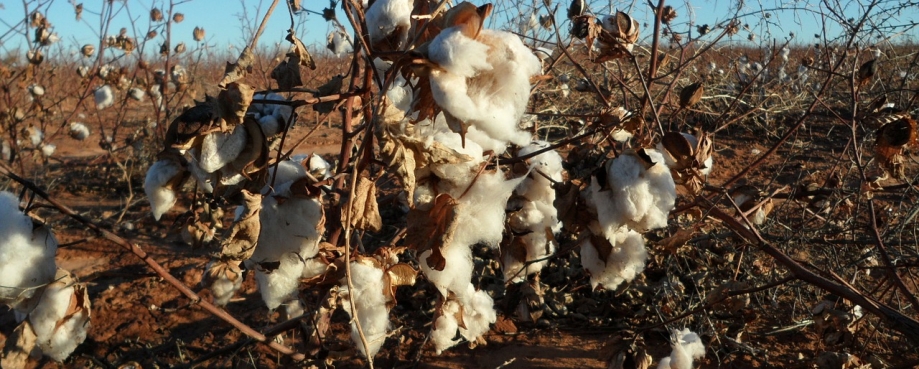
Every year, the Turkmen government sends thousands of people into the cotton fields, including teachers, doctors and nurses, forcing them to leave their daily jobs and harvest cotton for the state. Workers are given cotton-picking quotas, under threat of punishment if they fail to pick enough. Those that fail to meet their quotas face harassment from the authorities, and risk losing their jobs. The work is strenuous and requires great physical effort; working and living conditions in the fields are appalling and cotton pickers are often exposed to serious health risks.

Sign the Turkmen Cotton Pledge 

When the harvest started, there were many children in the fields. Some went cotton picking in place of their parents, while others were hired by those who can afford to pay for a replacement.

“Mum works in the culture department and always goes herself, but she’s not well, she’s got a high temperature. Her boss told her by phone that she should send a hired worker instead. But we would have to pay him and we’re in debt. We decided at home that I would go instead of mum.” Forced Labor Monitoring in Turkmenistan: Review of the 2020 Cotton Harvest

At the start of 2021, 117 global companies had signed the Cotton Pledge not to knowingly use cotton or textiles from Turkmenistan in their products. The Turkmenistan cotton harvest is big business: the country is the world’s 11th largest cotton producer and exporter. This means Turkmen cotton tainted with forced labour can find its way through global markets and on to racks in High Street shops. Turkmenistan has very close economic ties with Turkey, with 20% of Turkey’s imports of cotton yarn and textile coming from Turkmen cotton fields. These commodities are in turn exported worldwide, and end up being sold to consumers across the world.

What can brands do?

Due to the nature of the cotton production system in Turkmenistan we urge brands to stop sourcing cotton from Turkmenistan and to undertake the following steps:

  • Stop sourcing cotton from Turkmenistan. We invite brands to publicly oppose the use of Turkmen cotton in their supply chains and to sign the Turkmen Cotton Pledge, to demonstrate to the Turkmen government that human rights violations in cotton production are unacceptable.
  • Raise awareness. Inform consumers about the labour abuses that might affect the products they wear and use every day.
  • Advance traceability and verification procedures in textile supply chains to accurately identify where Turkmen cotton may be entering supply chains.
  • We want brands to collaborate with their third-country suppliers and put the issue of Turkmen cotton on their agenda.

Join in on putting pressure on the Government of Turkmenistan. We are calling on brands to

ETI's blog covers issues at the intersection of business and human rights. We feature posts by, for and from our members and allies; we do not accept or offer payment for posts or publish content outside of these criteria. We welcome a range of insights and opinions from our guest bloggers, though don't necessarily agree with everything they say.

Stay up to date

Stay up to date with the latest from ETI via the following channels:
  • Email
  • Twitter
  • LinkedIn
  • Blog RSS

Get the latest

Subscribe to our email newsletters and stay up to speed on responsible business.

Subscribe

ETI elsewhere

  • Twitter
  • LinkedIn
  • YouTube

Footer

  • ETI Community
  • Accessibility
  • Contact
  • FAQ
  • Jobs at ETI
  • Press resources
  • Security & privacy
Other ETIs: Bangladesh, Denmark, Norway, Sweden
Ethical Trading Initiative | Registered No. 3578127