Home

Main menu

  • About ETI
    • Our members
      • Public reporting performance
    • Who we are
      • ETI's origins
    • What we do
    • Global presence
    • Governance
    • Our team
      • ETI Board members
    • Our Strategy
  • Home
  • Why ETI
    • Why join ETI
  • ETI Base Code
    • Base Code overview
    • Base Code clause 1: Employment is freely chosen
    • Base Code clause 2: Freedom of association
    • Base Code clause 3: Working conditions are safe and hygienic
    • Base Code clause 4: Child labour shall not be used
    • Base Code clause 5: Living wages are paid
    • Base Code clause 6: Working hours are not excessive
    • Base Code clause 7: No discrimination is practiced
    • Base Code clause 8: Regular employment is provided
    • Base Code clause 9: No harsh or inhumane treatment is allowed
  • Our approach
    • Membership
    • Programmes
    • Transparency
    • Meaningful stakeholder engagement (MSE)
  • Our expertise
    • Climate change & Just transitions
    • Crisis response
    • Gender equity in supply chains
    • Worker representation
    • Forced labour & modern slavery
    • Responsible purchasing practices
      • RPP in manufacturing
    • Human rights due diligence
      • HRDD legislation tracker
  • Resources
    • Guidance & reports
    • Blog
      • Blog series: Extreme heat and risks to workers
      • Blog series: Tackling gender-based violence through GRACE
    • Issues
      • Human rights due diligence (HRDD): a complete guide for business
        • What is human rights due diligence?
        • Human rights due diligence legislation and regulatory requirements
        • How to implement human rights due diligence in your company
        • HRDD risk assessment for supply chains
        • Supplier engagement and human rights due diligence
      • Forced labour & modern slavery: a complete guide for business
        • What is modern slavery? Definitions, forms and scale
        • How to identify forced labour in your supply chain
        • Remediation: what to do when forced labour is found
        • Modern slavery legislation: what businesses need to know
        • EU Forced Labour Regulation: what it means for your business
        • How to write a modern slavery statement
        • High-risk sectors and sourcing regions for forced labour
        • Forced labour and migrant workers in supply chains
      • Responsible purchasing practices: what they are and why they matter
        • How to implement responsible purchasing practices
        • Responsible purchasing practices and legislation: what companies need to know
        • Responsible purchasing practices by sector
      • UK mandatory human rights due diligence: what businesses need to know
    • Case studies
    • Training
    • Events
      • ETI Insights series
    • Impact report 2024-25

Blog

Attracting younger workers: the challenges facing manufacturers in China

16 August 2018
China's factories are facing a growing labour shortage. This blog analyses why manufacturers are finding it difficult to recruit workers, particularly younger workers, and what they can do about it.

Why are young women workers killing themselves in India?

9 August 2018
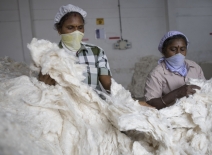
Young women workers in south India’s garment industry are killing themselves. Sometimes in a factory, or in hostels attached to factories. Twenty suspected suicides occurred in just three months, in the state of Tamil Nadu.

Brands should boycott Turkmenistan cotton over use of forced and child labour

8 August 2018
Anti-Slavery International is urging all brands to pledge not to knowingly source cotton from Turkmenistan due to the systemic use of forced and child labour.

THE LEADERSHIP SERIES: Addressing disability in supply chains

6 August 2018
The UK Government is committed to challenging the barriers that deny poor people opportunities and limit their potential; this commitment extends to the most marginalised, including those with disabilities.

Fairtrade and hired labour: Reflections on low pay and poor conditions in Assam

3 August 2018
Last month, the University of Sheffield once again shone a light on low pay and poor conditions on Assam’s tea plantations with the publication of its Global Business of Forced Labour report.

Investing in Pakistan: international trade, business and workers’ rights

25 July 2018
Amidst the turmoil of Pakistan's bitterly contested and violent election campaign, what is the future for international trade, local businesses and workers’ rights?

Addressing disability issues in global supply chains: new business guidance released

24 July 2018
ETI's new guidance demonstrates that improving disability inclusion within global supply chains needs leadership, commitment and joint endeavour.

Worker representation works

17 July 2018
Stirling Smith, ETI trainer and blogger, has a mission: to save companies money. His solution is worker representation.

International law and migrant workers: helping companies address modern slavery risks

12 July 2018
We recommend new well constructed, clear advice on migrant workers issues from the perspective of countries of origin.

Can audits build confidence in company supply chains?

5 July 2018
Companies need to develop more robust ways of understanding conditions in the workplace as well as the steps that can be taken to prevent labour abuses from occurring in the first place.

Buying responsibly – new training and more

28 June 2018
Responsible purchasing practices are increasingly understood to be a key element in tackling poor working conditions for workers in supply chains and training is a key tool to build good practice.

THE LEADERSHIP SERIES: Protect, Respect and Remedy – 10 years on

27 June 2018
Despite broad acceptance of the UNGPs, workers vulnerability is increasing. How can this be addressed?

Pagination

  • Previous page ‹‹
  • Page 46
  • Next page ››

Get the latest

Subscribe to our email newsletters and stay up to speed on responsible business.
Subscribe

ETI elsewhere

  • Twitter
  • LinkedIn
  • YouTube

Footer

  • ETI Community
  • Accessibility
  • Contact
  • FAQ
  • Jobs at ETI
  • Press resources
  • Security & privacy
Other ETIs: Bangladesh, Denmark, Norway, Sweden
Ethical Trading Initiative | Registered No. 3578127