Home

Main menu

  • About ETI
    • Our members
      • Public reporting performance
    • Who we are
      • ETI's origins
    • What we do
    • Global presence
    • Governance
    • Our team
      • ETI Board members
    • Our Strategy
  • Home
  • Why ETI
    • Why join ETI
  • ETI Base Code
    • Base Code overview
    • Base Code clause 1: Employment is freely chosen
    • Base Code clause 2: Freedom of association
    • Base Code clause 3: Working conditions are safe and hygienic
    • Base Code clause 4: Child labour shall not be used
    • Base Code clause 5: Living wages are paid
    • Base Code clause 6: Working hours are not excessive
    • Base Code clause 7: No discrimination is practiced
    • Base Code clause 8: Regular employment is provided
    • Base Code clause 9: No harsh or inhumane treatment is allowed
  • Our approach
    • Membership
    • Programmes
    • Transparency
    • Meaningful stakeholder engagement (MSE)
  • Our expertise
    • Climate change & Just transitions
    • Crisis response
    • Gender equity in supply chains
    • Worker representation
    • Forced labour & modern slavery
    • Responsible purchasing practices
      • RPP in manufacturing
    • Human rights due diligence
      • HRDD legislation tracker
  • Resources
    • Guidance & reports
    • Blog
      • Blog series: Extreme heat and risks to workers
      • Blog series: Tackling gender-based violence through GRACE
    • Issues
      • Human rights due diligence (HRDD): a complete guide for business
        • What is human rights due diligence?
        • Human rights due diligence legislation and regulatory requirements
        • How to implement human rights due diligence in your company
        • HRDD risk assessment for supply chains
        • Supplier engagement and human rights due diligence
      • Forced labour & modern slavery: a complete guide for business
        • What is modern slavery? Definitions, forms and scale
        • How to identify forced labour in your supply chain
        • Remediation: what to do when forced labour is found
        • Modern slavery legislation: what businesses need to know
        • EU Forced Labour Regulation: what it means for your business
        • How to write a modern slavery statement
        • High-risk sectors and sourcing regions for forced labour
        • Forced labour and migrant workers in supply chains
      • Responsible purchasing practices: what they are and why they matter
        • How to implement responsible purchasing practices
        • Responsible purchasing practices and legislation: what companies need to know
        • Responsible purchasing practices by sector
      • UK mandatory human rights due diligence: what businesses need to know
    • Case studies
    • Training
    • Events
      • ETI Insights series
    • Impact report 2024-25

Blog

THE LEADERSHIP SERIES: ETI and me – why it’s important to empathise, talk and act to change supply chains

22 May 2018
Duncan Green was present at the birth of ETI 20 years ago. Here he lists the lessons he has learnt as an NGO specialist.

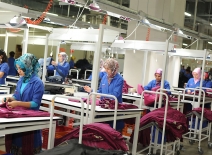
Giving everyone in Turkey’s garment industry a voice and a platform

16 May 2018
Local coalitions – platforms of interested parties – are a key mechanism in finding solutions to local problems.And Turkey’s footwear and garment sector is a case in point.
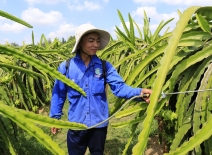
Vietnam dragon fruit farm ©ILO-Nguyễn ViệtThanh

Is the business of business development?

10 May 2018
How business can help transform trade systems to support the world's Sustainable Development Goals.
Worker holding helmet

Workers’ Memorial Day: As we remember the dead, unions continue to fight for the living

27 April 2018
“Remember the dead and fight for the living” is the slogan for International Workers’ Memorial Day – commemorated every year on 28th April.  

THE LEADERSHIP SERIES: “When shall we three meet again?” The potential of collaborative action to change the world

26 April 2018
In 2013, when the first draft of the Modern Slavery Act was published, the transparency in supply chain clause seemed like a long shot for inclusion.
Bangladesh Garment worker © ILO

What have we learnt since the collapse of Rana Plaza?

24 April 2018
We recognise that more needs to be done, while acknowledging the 'monumental' progress that has been made in five years..
Garment workers in Bangladesh courtesy of the ILO

Transparency Index a “much-needed wake-up call” as Bangladesh marks fifth anniversary of Rana Plaza disaster

23 April 2018
It's important to recognise the role that greater openness and accountability can play in ensuring a disaster such as Rana Plaza never happens again.
Image courtesy of shutterstock

Why Commonwealth Heads of Government must act on modern slavery

20 April 2018
The Commonwealth Heads of Government are meeting in London this week. Amongst the many global challenges which they are discussing is ending modern slavery.

Bangladesh: Partnership to promote responsible buying in the garment sector

16 April 2018
Better Buying and the ETI are to collaborate in Bangladesh to support and promote responsible buying practices within garment industry supply chains.
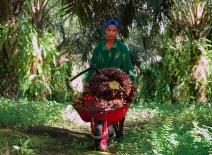
A young palm oil plantation labourer ©ILO-Asrian Mirza

Latest thinking on ending modern slavery and child labour

11 April 2018
The UN’s Global Compact is sharing a promotional booklet on the need to act now to ensure decent work by combatting modern slavery and child labour.

Why #metoo doesn’t reach women workers in garment factories

5 April 2018
While all the evidence shows that sexual harassment is a huge problem faced by women in garment factories in Bangladesh and India, it somehow does not appear in corrective action plans in audits.

Image courtesy of the ILO

Talk of universal human rights isn’t enough. A ‘gender lens’ is critical too

3 April 2018
Why is it so important to approach the UN Guiding Principles on Business and Human Rights (UNGPs) with a gender lens?

Pagination

  • Previous page ‹‹
  • Page 48
  • Next page ››

Get the latest

Subscribe to our email newsletters and stay up to speed on responsible business.
Subscribe

ETI elsewhere

  • Twitter
  • LinkedIn
  • YouTube

Footer

  • ETI Community
  • Accessibility
  • Contact
  • FAQ
  • Jobs at ETI
  • Press resources
  • Security & privacy
Other ETIs: Bangladesh, Denmark, Norway, Sweden
Ethical Trading Initiative | Registered No. 3578127