Home

Main menu

  • About ETI
    • Our members
      • Public reporting performance
    • Who we are
      • ETI's origins
    • What we do
    • Global presence
    • Governance
    • Our team
      • ETI Board members
    • Our Strategy
  • Home
  • Why ETI
    • Why join ETI
  • ETI Base Code
    • Base Code overview
    • Base Code clause 1: Employment is freely chosen
    • Base Code clause 2: Freedom of association
    • Base Code clause 3: Working conditions are safe and hygienic
    • Base Code clause 4: Child labour shall not be used
    • Base Code clause 5: Living wages are paid
    • Base Code clause 6: Working hours are not excessive
    • Base Code clause 7: No discrimination is practiced
    • Base Code clause 8: Regular employment is provided
    • Base Code clause 9: No harsh or inhumane treatment is allowed
  • Our approach
    • Membership
    • Programmes
    • Transparency
    • Meaningful stakeholder engagement (MSE)
  • Our expertise
    • Climate change & Just transitions
    • Crisis response
    • Gender equity in supply chains
    • Worker representation
    • Forced labour & modern slavery
    • Responsible purchasing practices
      • RPP in manufacturing
    • Human rights due diligence
      • HRDD legislation tracker
  • Resources
    • Guidance & reports
    • Blog
      • Blog series: Extreme heat and risks to workers
      • Blog series: Tackling gender-based violence through GRACE
    • Issues
      • Human rights due diligence (HRDD): a complete guide for business
        • What is human rights due diligence?
        • Human rights due diligence legislation and regulatory requirements
        • How to implement human rights due diligence in your company
        • HRDD risk assessment for supply chains
        • Supplier engagement and human rights due diligence
      • Forced labour & modern slavery: a complete guide for business
        • What is modern slavery? Definitions, forms and scale
        • How to identify forced labour in your supply chain
        • Remediation: what to do when forced labour is found
        • Modern slavery legislation: what businesses need to know
        • EU Forced Labour Regulation: what it means for your business
        • How to write a modern slavery statement
        • High-risk sectors and sourcing regions for forced labour
        • Forced labour and migrant workers in supply chains
      • Responsible purchasing practices: what they are and why they matter
        • How to implement responsible purchasing practices
        • Responsible purchasing practices and legislation: what companies need to know
        • Responsible purchasing practices by sector
      • UK mandatory human rights due diligence: what businesses need to know
    • Case studies
    • Training
    • Events
      • ETI Insights series
    • Impact report 2024-25

Blog

IoT Copyright Zapp2Photo Shutterstock

The Internet of Things: how going “smart” is altering the world of work

19 January 2017
Sensors that capture motion, temperature and light have become almost ubiquitous thanks to the smartphone and other technology.
Man pressing a multimedia computer display: Romolo Tavani/Shutterstock

How real are workers’ rights when digitalisation is changing the architecture of work?

19 January 2017
Workers will find themselves in a virtual world with a virtual employment relationship and virtual protections.
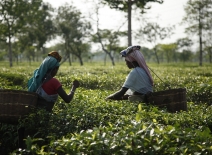
Tea workers in Assam

A life of dignity long overdue for Assam’s tea workers

16 January 2017
The World Bank found labour abuses on Assam tea plantations that it co-owned with Tata.
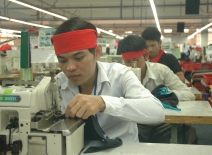
Cambodian male garment workers © ILO

Delivering the Sustainable Development Goals through ethical trade

13 January 2017
ETI’s newest guide for companies on ethical trade and the SDGs explains the links between the SDGs, the UNGPs and ethical trade.
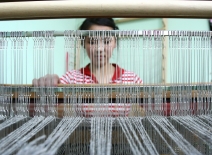
Mongolia rug production ©ILO-Byamba-ochir Byambasuren

Modern slavery statements: seeing evidence of company action

11 January 2017
ETI recommends that companies place their Modern Slavery Statements in the Business and Human Rights Resource Centre’s Central Registry for Modern Slavery Statements.
Photograph courtesy of shutterstock

Do you want to save globalisation?

10 January 2017
Trade union thinking and responses to international trade policies and globalisation.
Garment workers in Bangladesh © ILO

Post-Brexit, we should all be worried about our BITs

9 January 2017
Depending on the terms of Brexit, it is likely that the UK will need to renegotiate its trading relationships with a range of countries, and that should include any Bilateral Investment Treaty. 

Building a school in northern Laos ©ILO-Adri Berger

Preventing accidents at work: personal protective equipment, or what?

6 January 2017
Safety and health at work rest in the hands of management. How should they take this forward?
Disabled worker from Vietnam ©ILO/Nguyen A

Non-financial company reporting requirements tightened up

4 January 2017
UK Government approves new regulations to improve corporate governance of UK companies

Time to act in Turkey to promote legal and decent employment of refugees

21 December 2016
Dr Emre Eren Korkmaz reports on collaboration in Turkey's apparel & textile industry.

LIVE BLOG: Transparency and business - pros and cons, impacts and issues

14 December 2016
We live blogged on our Ethical Insights debate on transparency in business.
Construction worker in Mongolia courtesy of ILO/Byamba Ochir Byambasuren

Corporate leadership on modern slavery: helping business do better, faster

14 December 2016
An in-depth analysis of corporate perspectives on tackling modern slavery one year on from the introduction of the UK Modern Slavery Act.

Pagination

  • Previous page ‹‹
  • Page 58
  • Next page ››

Get the latest

Subscribe to our email newsletters and stay up to speed on responsible business.
Subscribe

ETI elsewhere

  • Twitter
  • LinkedIn
  • YouTube

Footer

  • ETI Community
  • Accessibility
  • Contact
  • FAQ
  • Jobs at ETI
  • Press resources
  • Security & privacy
Other ETIs: Bangladesh, Denmark, Norway, Sweden
Ethical Trading Initiative | Registered No. 3578127