Home

Main menu

  • About ETI
    • Our members
      • Public reporting performance
    • Who we are
      • ETI's origins
    • What we do
    • Global presence
    • Governance
    • Our team
      • ETI Board members
    • Our Strategy
  • Home
  • Why ETI
    • Why join ETI
  • ETI Base Code
    • Base Code overview
    • Base Code clause 1: Employment is freely chosen
    • Base Code clause 2: Freedom of association
    • Base Code clause 3: Working conditions are safe and hygienic
    • Base Code clause 4: Child labour shall not be used
    • Base Code clause 5: Living wages are paid
    • Base Code clause 6: Working hours are not excessive
    • Base Code clause 7: No discrimination is practiced
    • Base Code clause 8: Regular employment is provided
    • Base Code clause 9: No harsh or inhumane treatment is allowed
  • Our approach
    • Membership
    • Programmes
    • Transparency
    • Meaningful stakeholder engagement (MSE)
  • Our expertise
    • Climate change & Just transitions
    • Crisis response
    • Gender equity in supply chains
    • Worker representation
    • Forced labour & modern slavery
    • Responsible purchasing practices
      • RPP in manufacturing
    • Human rights due diligence
      • HRDD legislation tracker
  • Resources
    • Guidance & reports
    • Blog
      • Blog series: Extreme heat and risks to workers
      • Blog series: Tackling gender-based violence through GRACE
    • Issues
      • Human rights due diligence (HRDD): a complete guide for business
        • What is human rights due diligence?
        • Human rights due diligence legislation and regulatory requirements
        • How to implement human rights due diligence in your company
        • HRDD risk assessment for supply chains
        • Supplier engagement and human rights due diligence
      • Forced labour & modern slavery: a complete guide for business
        • What is modern slavery? Definitions, forms and scale
        • How to identify forced labour in your supply chain
        • Remediation: what to do when forced labour is found
        • Modern slavery legislation: what businesses need to know
        • EU Forced Labour Regulation: what it means for your business
        • How to write a modern slavery statement
        • High-risk sectors and sourcing regions for forced labour
        • Forced labour and migrant workers in supply chains
      • Responsible purchasing practices: what they are and why they matter
        • How to implement responsible purchasing practices
        • Responsible purchasing practices and legislation: what companies need to know
        • Responsible purchasing practices by sector
      • UK mandatory human rights due diligence: what businesses need to know
    • Case studies
    • Training
    • Events
      • ETI Insights series
    • Impact report 2024-25

Blog

Why migrant workers in Thailand and their defenders need support

13 December 2016
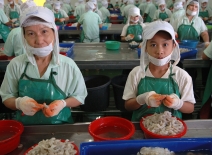
 A letter to The Royal Thai Government on the necessity of supporting human rights defender, Andy Hall and other campaigners and whistleblowers.

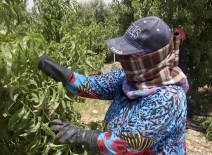
Strawberry fair? Safeguarding women workers on Moroccan farms

8 December 2016
Morocco is the world’s fifth largest exporter of strawberries and women make up most of the workforce.

Social dialogue in Bangladesh: Yes, but is it cricket?

6 December 2016
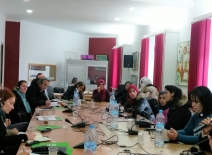
Winning isn't everything. Social dialogue and cricket are both celebrations of equality.
A Gap supplier factory

Gap Inc. publishes its supplier list to boost supply chain transparency

2 December 2016
ETI member, Gap Inc. has published the names of the first tier factories from which it sources its garments, and is looking to update its list every six months.

Update on a dispute between Fyffes and Honduran plantation workers

30 November 2016
In April 2016 ETI received an official complaint about the dispute from the IUF (the International Union of Food Workers) and the NGO Banana Link.
©European Union/ECHO/Caroline Gluck Syrian refugee, Waddah and his family

Let's acknowledge Turkey's efforts to help Syrian refugees

30 November 2016
On Tuesday 29 November, we formally launched our Turkish Programme in Istanbul with co-funding from the UK’s Magna Carta Fund and international garment retailers.

A Syrian refugee picks fruit in Jordan courtesy of the ILO

Overcoming consumer scepticism: harnessing the Modern Slavery Act to effect change

29 November 2016
Transparency in the supply chain and why a modern slavery statement registry is vital.

[VIDEO] What do free trade agreements mean for workers?

25 November 2016
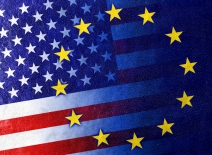
Interviews with speakers from Trade Justice Movement and ITUC on the opportunities to change trade agreements post-Brexit.
A South African winery worker in Stellenbosch

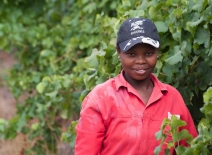
"I paid for her, I own her, I can beat her if I want to."

25 November 2016
ETI welcomes a new resource kit to prevent violence in the workplace.
Copyright Angela Waye/Shutterstock

Can mobile phones improve workers’ rights?

21 November 2016
How to utilise technology to support workers and address any exploitation concerns.

A labour market crisis or opportunity: Syrian refugees in Turkey

17 November 2016
The movement of refugees is inevitably viewed as a negative development. But refugees can bring about positive change.
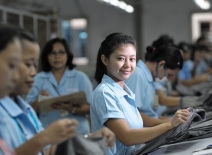
Indonesian garment production line ©ILO/Better Work Indonesia

Fast fashion and ethics: moving towards environmental and human sustainability

15 November 2016
There’s no such thing as fast fashion, just increasingly accelerated consumption.

Pagination

  • Previous page ‹‹
  • Page 59
  • Next page ››

Get the latest

Subscribe to our email newsletters and stay up to speed on responsible business.
Subscribe

ETI elsewhere

  • Twitter
  • LinkedIn
  • YouTube

Footer

  • ETI Community
  • Accessibility
  • Contact
  • FAQ
  • Jobs at ETI
  • Press resources
  • Security & privacy
Other ETIs: Bangladesh, Denmark, Norway, Sweden
Ethical Trading Initiative | Registered No. 3578127