Home

Main menu

  • About ETI
    • Our members
      • Public reporting performance
    • Who we are
      • ETI's origins
    • What we do
    • Global presence
    • Governance
    • Our team
      • ETI Board members
    • Our Strategy
  • Home
  • Why ETI
    • Why join ETI
  • ETI Base Code
    • Base Code overview
    • Base Code clause 1: Employment is freely chosen
    • Base Code clause 2: Freedom of association
    • Base Code clause 3: Working conditions are safe and hygienic
    • Base Code clause 4: Child labour shall not be used
    • Base Code clause 5: Living wages are paid
    • Base Code clause 6: Working hours are not excessive
    • Base Code clause 7: No discrimination is practiced
    • Base Code clause 8: Regular employment is provided
    • Base Code clause 9: No harsh or inhumane treatment is allowed
  • Our approach
    • Membership
    • Programmes
    • Transparency
    • Meaningful stakeholder engagement (MSE)
  • Our expertise
    • Climate change & Just transitions
    • Crisis response
    • Gender equity in supply chains
    • Worker representation
    • Forced labour & modern slavery
    • Responsible purchasing practices
      • RPP in manufacturing
    • Human rights due diligence
      • HRDD legislation tracker
  • Resources
    • Guidance & reports
    • Blog
      • Blog series: Extreme heat and risks to workers
      • Blog series: Tackling gender-based violence through GRACE
    • Issues
      • Human rights due diligence (HRDD): a complete guide for business
        • What is human rights due diligence?
        • Human rights due diligence legislation and regulatory requirements
        • How to implement human rights due diligence in your company
        • HRDD risk assessment for supply chains
        • Supplier engagement and human rights due diligence
      • Forced labour & modern slavery: a complete guide for business
        • What is modern slavery? Definitions, forms and scale
        • How to identify forced labour in your supply chain
        • Remediation: what to do when forced labour is found
        • Modern slavery legislation: what businesses need to know
        • EU Forced Labour Regulation: what it means for your business
        • How to write a modern slavery statement
        • High-risk sectors and sourcing regions for forced labour
        • Forced labour and migrant workers in supply chains
      • Responsible purchasing practices: what they are and why they matter
        • How to implement responsible purchasing practices
        • Responsible purchasing practices and legislation: what companies need to know
        • Responsible purchasing practices by sector
      • UK mandatory human rights due diligence: what businesses need to know
    • Case studies
    • Training
    • Events
      • ETI Insights series
    • Impact report 2024-25

Blog

French National Assembly courtesy of Petr Kovalenkov-Shutterstock

France adopts new corporate “duty of care” law

1 March 2017
France to follow the UK’s lead on modern slavery legislation with a new law, Devoir de vigilance des entreprises donneuses d'ordre.

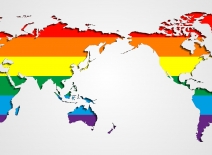
LIVE BLOG: Pride at work? LGBT issues and ethical trade

27 February 2017
Follow our live blog on LGBT rights and ethical trade from 08:30 GMT, 28 February 2017.
London Fashion Week courtesy of Featureflash Photo Agency & Shutterstock

Why ethics and sustainability should be central to London Fashion Week

22 February 2017
It’s the final day of London Fashion Week and that got us thinking about whether the UK fashion industry needs to do more to raise the bar.

REVISION - Given the release of jailed trade unionists ETI will now attend Dhaka Apparel Summit 2017

20 February 2017
This statement has been revised following the release of the trade unionists arrested following worker unrest in Dhaka’s Ashulia industrial area in December 2016 and the more recent arrests in Chittagong.

The simple reason why so many businesses support LGBT rights

16 February 2017
When it comes to LGBT rights, this decade has seen a positive sea-change, with business constantly anticipating lawmakers.
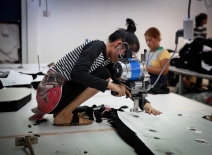
Indonesian garment production line ©ILO

Was TPP withdrawal a missed opportunity for ethical trade awareness?

15 February 2017
Free trade agreements and labour rights - what are the implications for workers?

Supply chain management in East Asia

14 February 2017
What are the main challenges that global buyers’ purchasing practices can cause for suppliers, in East Asia supply chains?
Cambodia garment factory ©ILO

Garments and footwear: the OECD launches new due diligence guidelines

13 February 2017
The OECD launches new 'gold standard' guidance on due diligence in the garment and footwear sector.

Retailers must sanction Leicester factories

2 February 2017
For the past three years, ETI has been raising serious concerns about very low wages and poor working conditions in Leicester’s garment trade.
North Korean worker in Russia

North Korea: workers exported to earn money for the state

1 February 2017
What can businesses do when they find North Korean state-sponsored forced labour in their supply chains? 

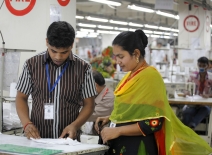
Social Dialogue in action: worker elections in a Bangladesh garment factory

30 January 2017
Learn about a real-life worker election held over the course of a working day in a Bangladesh knitwear factory.

Media investigation into the Leicester garment trade: ETI response

23 January 2017
In Undercover: Britain's Cheap Clothes, Chanel 4's flagship current affairs programme Dispatches, examines wages and working conditions in Leicester's apparel and textiles factories. 

Pagination

  • Previous page ‹‹
  • Page 57
  • Next page ››

Get the latest

Subscribe to our email newsletters and stay up to speed on responsible business.
Subscribe

ETI elsewhere

  • Twitter
  • LinkedIn
  • YouTube

Footer

  • ETI Community
  • Accessibility
  • Contact
  • FAQ
  • Jobs at ETI
  • Press resources
  • Security & privacy
Other ETIs: Bangladesh, Denmark, Norway, Sweden
Ethical Trading Initiative | Registered No. 3578127