Home

Main menu

  • About ETI
    • Our members
      • Public reporting performance
    • Who we are
      • ETI's origins
    • What we do
    • Global presence
    • Governance
    • Our team
      • ETI Board members
    • Our Strategy
  • Home
  • Why ETI
    • Why join ETI
  • ETI Base Code
    • Base Code overview
    • Base Code clause 1: Employment is freely chosen
    • Base Code clause 2: Freedom of association
    • Base Code clause 3: Working conditions are safe and hygienic
    • Base Code clause 4: Child labour shall not be used
    • Base Code clause 5: Living wages are paid
    • Base Code clause 6: Working hours are not excessive
    • Base Code clause 7: No discrimination is practiced
    • Base Code clause 8: Regular employment is provided
    • Base Code clause 9: No harsh or inhumane treatment is allowed
  • Our approach
    • Membership
    • Programmes
    • Transparency
    • Meaningful stakeholder engagement (MSE)
  • Our expertise
    • Climate change & Just transitions
    • Crisis response
    • Gender equity in supply chains
    • Worker representation
    • Forced labour & modern slavery
    • Responsible purchasing practices
      • RPP in manufacturing
    • Human rights due diligence
      • HRDD legislation tracker
  • Resources
    • Guidance & reports
    • Blog
      • Blog series: Extreme heat and risks to workers
      • Blog series: Tackling gender-based violence through GRACE
    • Issues
      • Human rights due diligence (HRDD): a complete guide for business
        • What is human rights due diligence?
        • Human rights due diligence legislation and regulatory requirements
        • How to implement human rights due diligence in your company
        • HRDD risk assessment for supply chains
        • Supplier engagement and human rights due diligence
      • Forced labour & modern slavery: a complete guide for business
        • What is modern slavery? Definitions, forms and scale
        • How to identify forced labour in your supply chain
        • Remediation: what to do when forced labour is found
        • Modern slavery legislation: what businesses need to know
        • EU Forced Labour Regulation: what it means for your business
        • How to write a modern slavery statement
        • High-risk sectors and sourcing regions for forced labour
        • Forced labour and migrant workers in supply chains
      • Responsible purchasing practices: what they are and why they matter
        • How to implement responsible purchasing practices
        • Responsible purchasing practices and legislation: what companies need to know
        • Responsible purchasing practices by sector
      • UK mandatory human rights due diligence: what businesses need to know
    • Case studies
    • Training
    • Events
      • ETI Insights series
    • Impact report 2024-25

Blog

Couple shopping courtesy of Akhenaton Images-shutterstock

Explaining the Attitude-Behaviour Gap: why consumers say one thing but do another

28 July 2016
What are the factors that moderate a consumer’s ability or will to enact their intentions?

Bangladesh garment sector alarms over extremist attacks

26 July 2016
Addressing security concerns should not be allowed to put workers' rights in jeopardy.
Child construction workers in Indonesia courtesy of ILO/Asrian Mizra

Child labour: is it on the increase, or did it ever go away?

22 July 2016
Over the last two years 64% of social auditors have found incidences of child labour in their inspections. So how can companies combat this?
Symbol of law and justice courtesy of shutterstock.com

Does the UK Government respect workers' rights?

18 July 2016
A United Nations body of experts has just provided some conclusions and recommendations.

Do you feel guilty about buying discount school uniforms?

15 July 2016
Summer price wars always spark controversy over ethical purchasing practices.
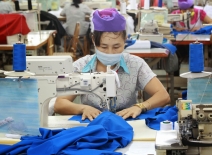
Vietnamese garment worker courtesy of ILO

Does corporate leadership matter in tackling modern slavery?

12 July 2016
SURVEY: Directors and board members have oversight in tackling modern slavery but due to many pressures, where is it on the boardroom agenda?
London shoppers courtesy of Dinendra Haria/Shutterstock.com

Ethical consumerism: does it really have power in global supply chains?

11 July 2016
What makes an ‘ethical consumer’ ethical? Do you have to buy 'ethical products' to be an 'ethical consumer?

Open-access registry for the Modern Slavery Act critical & urgent, say key stakeholders

8 July 2016
A central repository for modern slavery statements will be established with the support and endorsement of key stakeholders.

Brexit's impact on vulnerable workers in global supply chains

6 July 2016
Making sure progress already made on standards and ethical approaches is not diluted.
Supporters inside the Eiffel Tower fan zone: Frederic Legrand - COMEO / Shutterstock.com

What links Euro 2016, the ITUC’s Global Rights Index and worker safety?

4 July 2016
Why companies need to attend ETI’s course on workers’ voice and freedom of association.
Sugar Cane processing in Cambodia courtesy of Shutterstock

Cambodia, Myanmar and the EU's 'Everything But Arms' trade deal

29 June 2016
Why the  'Everything But Arms' initiative should be modified to take into account latest thinking on business and human rights due diligence.
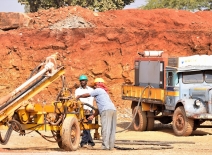
wagon drill machine to minimise dust

Improving health and safety in Rajasthan’s stone industry

23 June 2016
How a company-led health and safety project is helping to pave the way for employment rights in stone quarries and processing yards.

Pagination

  • Previous page ‹‹
  • Page 63
  • Next page ››

Get the latest

Subscribe to our email newsletters and stay up to speed on responsible business.
Subscribe

ETI elsewhere

  • Twitter
  • LinkedIn
  • YouTube

Footer

  • ETI Community
  • Accessibility
  • Contact
  • FAQ
  • Jobs at ETI
  • Press resources
  • Security & privacy
Other ETIs: Bangladesh, Denmark, Norway, Sweden
Ethical Trading Initiative | Registered No. 3578127