Home

Main menu

  • Home
  • Why ETI
    • Why join ETI
  • ETI Base Code
    • Base Code overview
    • Base Code clause 1: Employment is freely chosen
    • Base Code clause 2: Freedom of association
    • Base Code clause 3: Working conditions are safe and hygienic
    • Base Code clause 4: Child labour shall not be used
    • Base Code clause 5: Living wages are paid
    • Base Code clause 6: Working hours are not excessive
    • Base Code clause 7: No discrimination is practiced
    • Base Code clause 8: Regular employment is provided
    • Base Code clause 9: No harsh or inhumane treatment is allowed
  • Our approach
    • Membership
    • Programmes
    • Transparency
    • Meaningful stakeholder engagement (MSE)
  • Our expertise
    • Climate change & Just transitions
    • Crisis response
    • Gender equality in supply chains
    • Worker representation
    • Forced labour & modern slavery
    • Responsible purchasing practices
      • RPP in manufacturing
    • Human rights due diligence
      • HRDD legislation tracker
  • Resources
    • Guidance & reports
    • Blog
      • Blog series: Tackling gender-based violence through GRACE
    • Case studies
    • Training
    • Events
      • ETI Insights series
    • Impact report 2024-25
  • About ETI
    • Who we are
      • ETI's origins
    • What we do
    • Our members
      • Public reporting performance
    • Global presence
    • Governance
    • Our team
      • ETI Board members

Breadcrumb

  1. Home
  2. guidance and reports

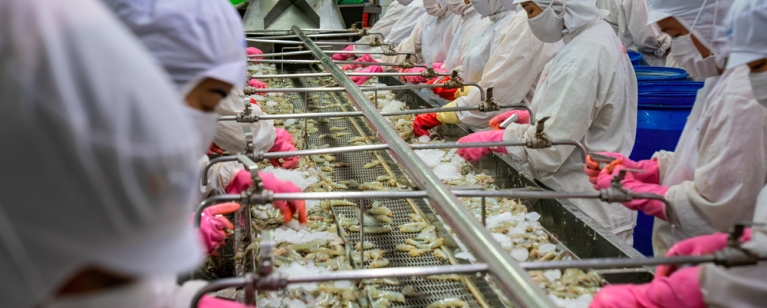
ETI Insights: How purchasing practices shape human rights in shrimp supply chains

Workers processing shrimp
  • Public
  • 3 February 2026
  • Tools, Guidelines & Briefings
Subject(s)
Seafood
Food and farming

Webinar recording from 28 January, 2026

Retailers and food service companies play a pivotal role in shaping labour conditions across global shrimp supply chains — but are their purchasing practices contributing to the problem?

This webinar presented new research assessing purchasing practices against the ETI Base Code, showing how pricing below production cost, delayed payments, short lead times, and last‑minute order changes can contribute to human rights risks in the shrimp supply chain.

Speakers

Dr Darian McBain  - CEO, Outsourced Chief Sustainability Office (Moderator)

Roisai Wongsuban - Independent Human Rights Consultant, Seafood Sector 

Aimee Kelly  - Ethical Sourcing Operations Manager, Coles Group 

Kirill Buketov - Policy Officer, IUF

Anyamanee Tabtimsri - Programme Officer, ILO

Melissa Karadana - Purchasing Practices Programme Lead, ETI

This event was part of our ETI Insights series

Related content

  • How purchasing practices shape human rights in shrimp supply chains
  • GAIA principles to end gender-based violence and harassment in commercial agriculture and fisheries
  • Common Framework for Responsible Purchasing Practices in Food
  • ETI statement: Workers' rights in UK fisheries
  • Exploitation of migrant labour in the UK Seasonal Agriculture Workers’ Scheme
  • Business continuity guide

Get the latest

Subscribe to our email newsletters and stay up to speed on responsible business.

Subscribe

ETI elsewhere

  • Twitter
  • LinkedIn
  • YouTube

Footer

  • ETI Community
  • Accessibility
  • Contact
  • FAQ
  • Jobs at ETI
  • Press resources
  • Security & privacy
Other ETIs: Bangladesh, Denmark, Norway, Sweden
Ethical Trading Initiative | Registered No. 3578127