Home

Main menu

  • Home
  • Why ETI
    • Why join ETI
  • ETI Base Code
    • Base Code overview
    • Base Code clause 1: Employment is freely chosen
    • Base Code clause 2: Freedom of association
    • Base Code clause 3: Working conditions are safe and hygienic
    • Base Code clause 4: Child labour shall not be used
    • Base Code clause 5: Living wages are paid
    • Base Code clause 6: Working hours are not excessive
    • Base Code clause 7: No discrimination is practiced
    • Base Code clause 8: Regular employment is provided
    • Base Code clause 9: No harsh or inhumane treatment is allowed
  • Our approach
    • Membership
    • Programmes
    • Transparency
    • Meaningful stakeholder engagement (MSE)
  • Our expertise
    • Climate change & Just transitions
    • Crisis response
    • Gender equality in supply chains
    • Worker representation
    • Forced labour & modern slavery
    • Responsible purchasing practices
      • RPP in manufacturing
    • Human rights due diligence
      • HRDD legislation tracker
  • Resources
    • Guidance & reports
    • Blog
      • Blog series: Tackling gender-based violence through GRACE
    • Case studies
    • Training
    • Events
      • ETI Insights series
    • Impact report 2024-25
  • About ETI
    • Who we are
      • ETI's origins
    • What we do
    • Our members
      • Public reporting performance
    • Global presence
    • Governance
    • Our team
      • ETI Board members

Breadcrumb

  1. Home
  2. guidance and reports

Shrimp Supply Chains: Making the link between purchasing practices & human rights

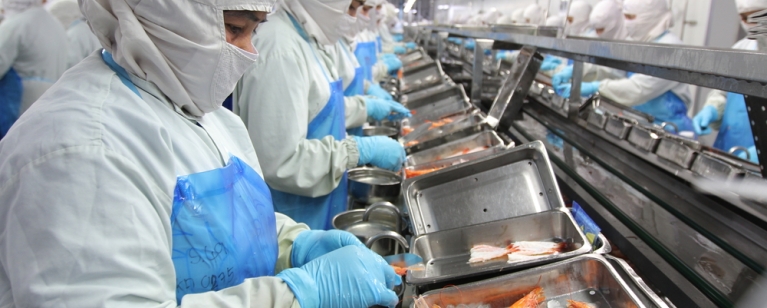
Processing shrimp & seafood
  • Public
  • 6 February 2026
  • Tools, Guidelines & Briefings
Subject(s)
Seafood
Thailand seafood
Human rights due diligence
Food and farming
Shrimp Supply Chain, Executive Summary
Shrimp Supply Chain, full report

This report examines working conditions, including non-compliance with the ETI Base Code, across global shrimp supply chains. Violations of workers’ fundamental rights are not confined to one tier of the supply chain (e.g. fishing) or to one sourcing location (e.g. Thailand). As such, this report examines how the purchasing practices of buyers in the USA, the UK, the 27 member states of the European Union and Australia influence labour standards along the shrimp supply chain

File(s)

ETI Insights: How purchasing practices shape human rights in shrimp supply chains

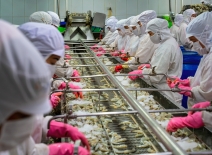
Workers processing shrimp
Webinar recording
Read more

Related content

  • Human rights and environmental due diligence laws – what this means for businesses
  • ETI Insights: How purchasing practices shape human rights in shrimp supply chains
  • How purchasing practices shape human rights in shrimp supply chains
  • GAIA principles to end gender-based violence and harassment in commercial agriculture and fisheries
  • Responsible purchasing practices in European legislation
  • ETI, BRC, CJC and TUC statement on the government response to the JCHR report on Forced Labour in UK Supply Chains

Get the latest

Subscribe to our email newsletters and stay up to speed on responsible business.

Subscribe

ETI elsewhere

  • Twitter
  • LinkedIn
  • YouTube

Footer

  • ETI Community
  • Accessibility
  • Contact
  • FAQ
  • Jobs at ETI
  • Press resources
  • Security & privacy
Other ETIs: Bangladesh, Denmark, Norway, Sweden
Ethical Trading Initiative | Registered No. 3578127