Home

Main menu

  • About ETI
    • Our members
      • Public reporting performance
    • Who we are
      • ETI's origins
    • What we do
    • Global presence
    • Governance
    • Our team
      • ETI Board members
    • Our Strategy
  • Home
  • Why ETI
    • Why join ETI
  • ETI Base Code
    • Base Code overview
    • Base Code clause 1: Employment is freely chosen
    • Base Code clause 2: Freedom of association
    • Base Code clause 3: Working conditions are safe and hygienic
    • Base Code clause 4: Child labour shall not be used
    • Base Code clause 5: Living wages are paid
    • Base Code clause 6: Working hours are not excessive
    • Base Code clause 7: No discrimination is practiced
    • Base Code clause 8: Regular employment is provided
    • Base Code clause 9: No harsh or inhumane treatment is allowed
  • Our approach
    • Membership
    • Programmes
    • Transparency
    • Meaningful stakeholder engagement (MSE)
  • Our expertise
    • Climate change & Just transitions
    • Crisis response
    • Gender equity in supply chains
    • Worker representation
    • Forced labour & modern slavery
    • Responsible purchasing practices
      • RPP in manufacturing
    • Human rights due diligence
      • HRDD legislation tracker
  • Resources
    • Guidance & reports
    • Blog
      • Blog series: Tackling gender-based violence through GRACE
    • Issues
      • Human rights due diligence (HRDD): a complete guide for business
        • What is human rights due diligence?
        • Human rights due diligence legislation and regulatory requirements
        • How to implement human rights due diligence in your company
        • HRDD risk assessment for supply chains
        • Supplier engagement and human rights due diligence
      • Forced labour & modern slavery: a complete guide for business
        • What is modern slavery? Definitions, forms and scale
        • How to identify forced labour in your supply chain
        • Remediation: what to do when forced labour is found
        • Modern slavery legislation: what businesses need to know
        • EU Forced Labour Regulation: what it means for your business
        • How to write a modern slavery statement
        • High-risk sectors and sourcing regions for forced labour
        • Forced labour and migrant workers in supply chains
      • Responsible purchasing practices: what they are and why they matter
        • How to implement responsible purchasing practices
        • Responsible purchasing practices and legislation: what companies need to know
        • Responsible purchasing practices by sector
    • Case studies
    • Training
    • Events
      • ETI Insights series
    • Impact report 2024-25

Resources

Communicating freedom of association & the right to organise

  • Public
  • 10 February 2021
  • Tools, Guidelines & Briefings
Considerations for briefing social auditors, compliance teams, trainers & workplace managers.

Social dialogue and worker consultation

  • Public
  • 10 February 2021
  • Tools, Guidelines & Briefings
How social dialogue is used to build trust, establish common goals, and progress Decent Work (SDG8).

Recommendations for factories to protect workers from COVID-19

  • Public
  • 8 February 2021
  • Tools, Guidelines & Briefings
Findings from the FCDO/Vulnerable Supply Chains Facility COVID-19 Bangladesh factory needs assessment

Social dialogue, Peru horticulture

  • Public
  • 27 January 2021
  • Audio & film
Short video and infographic, promoting social dialogue between supplier and buyers, English and Spanish versions.

ETI Accounts 2020

  • Public
  • 22 January 2021
  • ETI annual reviews & accounts
ETI's 2020 audited accounts

The Impact of Covid-19 on Agricultural Supply Chains in Africa

  • Public
  • 18 January 2021
  • Tools, Guidelines & Briefings
Findings from Supplier Needs Assessments

ETI Accounts 2019

  • Public
  • 11 December 2020
  • ETI annual reviews & accounts
ETI's 2019 audited accounts

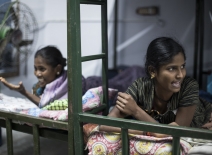
Young female cotton mill workers, Tamil Nadu, India

Annual review 2019-20

  • Public
  • 25 October 2020
  • ETI annual reviews & accounts
Welcome to our Annual review, 2019-2020.

COVID Winter Response Guidance for Food, Horticulture and Agriculture

  • Public
  • 1 September 2020
  • Tools, Guidelines & Briefings
A collaboration to develop guidance for food, horticulture and agriculture through the winter 2020 period.

GLJ-ILRF letter to US state on Thailand’s Tier 2 ranking in Trafficking in Persons Report 2020

  • Public
  • 18 August 2020
  • Tools, Guidelines & Briefings
A letter to Michael R. Pompeo questioning the decision in the 2020 TIP Report to maintain Thailand’s ranking at Tier 2, despite comprehensive evidence of severe weaknesses in the Thai government’s efforts to prosecute, prevent, and protect people from human trafficking in 2019.

Cambodia open joint letter

  • Public
  • 21 July 2020
  • Tools, Guidelines & Briefings
An open letter from 33 civil society organizations and multi-stakeholder initiatives, urging numerous Governments to echo the EU's call for the respect of human rights in Cambodia.

Labour standards in Pakistan’s surgical instruments sector

  • Public
  • 22 June 2020
  • Tools, Guidelines & Briefings
Understanding the root causes of poor labour standards in the Sialkot region where high volumes of surgical instruments are produced, along with the roles and responsibilities of all of the key stakeholders in the global value chain.

Pagination

  • Previous page ‹‹
  • Page 13
  • Next page ››

Get the latest

Subscribe to our email newsletters and stay up to speed on responsible business.
Subscribe

ETI elsewhere

  • Twitter
  • LinkedIn
  • YouTube

Footer

  • ETI Community
  • Accessibility
  • Contact
  • FAQ
  • Jobs at ETI
  • Press resources
  • Security & privacy
Other ETIs: Bangladesh, Denmark, Norway, Sweden
Ethical Trading Initiative | Registered No. 3578127