Home

Main menu

  • About ETI
    • Our members
      • Public reporting performance
    • Who we are
      • ETI's origins
    • What we do
    • Global presence
    • Governance
    • Our team
      • ETI Board members
    • Our Strategy
  • Home
  • Why ETI
    • Why join ETI
  • ETI Base Code
    • Base Code overview
    • Base Code clause 1: Employment is freely chosen
    • Base Code clause 2: Freedom of association
    • Base Code clause 3: Working conditions are safe and hygienic
    • Base Code clause 4: Child labour shall not be used
    • Base Code clause 5: Living wages are paid
    • Base Code clause 6: Working hours are not excessive
    • Base Code clause 7: No discrimination is practiced
    • Base Code clause 8: Regular employment is provided
    • Base Code clause 9: No harsh or inhumane treatment is allowed
  • Our approach
    • Membership
    • Programmes
    • Transparency
    • Meaningful stakeholder engagement (MSE)
  • Our expertise
    • Climate change & Just transitions
    • Crisis response
    • Gender equity in supply chains
    • Worker representation
    • Forced labour & modern slavery
    • Responsible purchasing practices
      • RPP in manufacturing
    • Human rights due diligence
      • HRDD legislation tracker
  • Resources
    • Guidance & reports
    • Blog
      • Blog series: Extreme heat and risks to workers
      • Blog series: Tackling gender-based violence through GRACE
    • Issues
      • Human rights due diligence (HRDD): a complete guide for business
        • What is human rights due diligence?
        • Human rights due diligence legislation and regulatory requirements
        • How to implement human rights due diligence in your company
        • HRDD risk assessment for supply chains
        • Supplier engagement and human rights due diligence
      • Forced labour & modern slavery: a complete guide for business
        • What is modern slavery? Definitions, forms and scale
        • How to identify forced labour in your supply chain
        • Remediation: what to do when forced labour is found
        • Modern slavery legislation: what businesses need to know
        • EU Forced Labour Regulation: what it means for your business
        • How to write a modern slavery statement
        • High-risk sectors and sourcing regions for forced labour
        • Forced labour and migrant workers in supply chains
      • Responsible purchasing practices: what they are and why they matter
        • How to implement responsible purchasing practices
        • Responsible purchasing practices and legislation: what companies need to know
        • Responsible purchasing practices by sector
    • Case studies
    • Training
    • Events
      • ETI Insights series
    • Impact report 2024-25

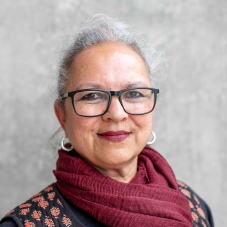
Sabita Banerji

Sabita Banerji
Position
NGO Co-ordinator
Organisation
THIRST

Sabita is NGO Coordinator and CEO of tea sctor NGO, THIRST


Blog posts from this author

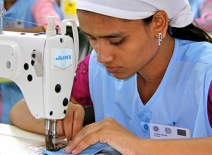
Shamima taking part in social dialogue training for supervisors at a Bangladeshi garment factory

What does it take for a woman to become a Bangladeshi garment factory supervisor?

15 March 2016
Shamima is a floor supervisor in a Bangladeshi garment factory where most supervisors are men. So what does it take for a woman like Shamima to rise up through the ranks in such a culture?
Female garment factory worker, Bangladesh

What the whole world wants but women rarely get: a good job

4 December 2015
Sabita Banerji tells us why gender matters in ethical trade.
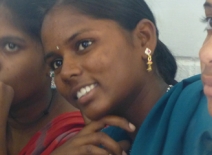
Female garment workers, Tamil Nadu, India | Photo: Sabita Banerji

Greater confidence for young Tamil Nadu cotton mill workers

24 November 2015
Young female mill workers are learning to stand up for their rights in a local spinning mill that produces thread for the world's garment production.
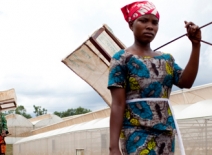
Female agricultural worker, Tanzania

Stay standing if you are in work but trapped in poverty

6 November 2015
This Living Wage Week we reflect on why so many people around the world are still trapped in poverty despite being in work.
What does a National Living Wage really mean?

What does a National Living Wage really mean?

23 July 2015
On Monday, the Guardian announced “Ikea adopts the living wage for UK staff”. On the same day, a BBC report said “Ikea to pay UK workers more than living wage”. So who got it wrong?
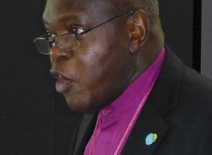
Archbishop of York

IT'S NOT FAIR!

8 May 2015
Sabita Banerji gets to the heart of the Living wage issue, and reports on the rallying cry from the Archbishop of York at the recent ETI and Global Compact Network UK’s living wage conference.

Pagination

  • Previous page ‹‹
  • Page 4
  • Next page ››

Stay up to date

Stay up to date with the latest from ETI via the following channels:
  • Email
  • Twitter
  • LinkedIn
  • Blog RSS

Get the latest

Subscribe to our email newsletters and stay up to speed on responsible business.

Subscribe

ETI elsewhere

  • Twitter
  • LinkedIn
  • YouTube

Footer

  • ETI Community
  • Accessibility
  • Contact
  • FAQ
  • Jobs at ETI
  • Press resources
  • Security & privacy
Other ETIs: Bangladesh, Denmark, Norway, Sweden
Ethical Trading Initiative | Registered No. 3578127