Home

Main menu

  • About ETI
    • Our members
      • Public reporting performance
    • Who we are
      • ETI's origins
    • What we do
    • Global presence
    • Governance
    • Our team
      • ETI Board members
    • Our Strategy
  • Home
  • Why ETI
    • Why join ETI
  • ETI Base Code
    • Base Code overview
    • Base Code clause 1: Employment is freely chosen
    • Base Code clause 2: Freedom of association
    • Base Code clause 3: Working conditions are safe and hygienic
    • Base Code clause 4: Child labour shall not be used
    • Base Code clause 5: Living wages are paid
    • Base Code clause 6: Working hours are not excessive
    • Base Code clause 7: No discrimination is practiced
    • Base Code clause 8: Regular employment is provided
    • Base Code clause 9: No harsh or inhumane treatment is allowed
  • Our approach
    • Membership
    • Programmes
    • Transparency
    • Meaningful stakeholder engagement (MSE)
  • Our expertise
    • Climate change & Just transitions
    • Crisis response
    • Gender equity in supply chains
    • Worker representation
    • Forced labour & modern slavery
    • Responsible purchasing practices
      • RPP in manufacturing
    • Human rights due diligence
      • HRDD legislation tracker
  • Resources
    • Guidance & reports
    • Blog
      • Blog series: Extreme heat and risks to workers
      • Blog series: Tackling gender-based violence through GRACE
    • Issues
      • Human rights due diligence (HRDD): a complete guide for business
        • What is human rights due diligence?
        • Human rights due diligence legislation and regulatory requirements
        • How to implement human rights due diligence in your company
        • HRDD risk assessment for supply chains
        • Supplier engagement and human rights due diligence
      • Forced labour & modern slavery: a complete guide for business
        • What is modern slavery? Definitions, forms and scale
        • How to identify forced labour in your supply chain
        • Remediation: what to do when forced labour is found
        • Modern slavery legislation: what businesses need to know
        • EU Forced Labour Regulation: what it means for your business
        • How to write a modern slavery statement
        • High-risk sectors and sourcing regions for forced labour
        • Forced labour and migrant workers in supply chains
      • Responsible purchasing practices: what they are and why they matter
        • How to implement responsible purchasing practices
        • Responsible purchasing practices and legislation: what companies need to know
        • Responsible purchasing practices by sector
    • Case studies
    • Training
    • Events
      • ETI Insights series
    • Impact report 2024-25

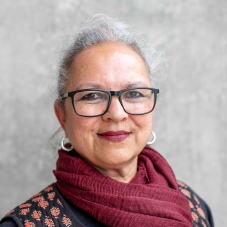
Sabita Banerji

Sabita Banerji
Position
NGO Co-ordinator
Organisation
THIRST

Sabita is NGO Coordinator and CEO of tea sctor NGO, THIRST


Blog posts from this author

Who’s responsible for paying living wages?

12 December 2014
Are big brands really responsible for the payment of living wages? Sabita Banerji looks at who should take which actions in order to boost workers' pay.

Looking at Living Wages with a different pair of eyes

6 November 2014
One of the ethical trade highlights of the past year was the letter from eight European ETI member companies, urging the Cambodian government to raise minimum wages and pledging to pay more for products to help support this.
Folded cash in hands

The living wage movement – steady stream to tidal wave

3 November 2014
To kick-off Living Wage Week, ETI's Sabita Banerji examines the movement that is fast gaining volume and velocity. She analyses media coverage on living wages, and highlights our own efforts on this issue.

From low pay to factory collapses – is inequality at the root of all workers’ rights abuses?

15 October 2014
Sabita Banerji looks at the underlying causes of the Rana Plaza disaster and which types of workers remain most vulnerable.
International Labour Organisation headquarters in Geneva

Difficulties of dialogue about dialogue about wages and working hours

1 October 2014
Over 150 people gathered at the ILO headquarters in Geneva to take part in a dialogue about wages and working hours in the industries behind most of what we wear; the textile, clothing, leather & footwear industries.

Female worker picking fresh produce, Tanzania

How the ETI Working Hours Base Code clause has changed

19 June 2014
Find out why and how ETI revised the wording of its Base Code clause on working hours.

Pagination

  • Previous page ‹‹
  • Page 5
  • Next page ››

Stay up to date

Stay up to date with the latest from ETI via the following channels:
  • Email
  • Twitter
  • LinkedIn
  • Blog RSS

Get the latest

Subscribe to our email newsletters and stay up to speed on responsible business.
Subscribe

ETI elsewhere

  • Twitter
  • LinkedIn
  • YouTube

Footer

  • ETI Community
  • Accessibility
  • Contact
  • FAQ
  • Jobs at ETI
  • Press resources
  • Security & privacy
Other ETIs: Bangladesh, Denmark, Norway, Sweden
Ethical Trading Initiative | Registered No. 3578127