Home

Main menu

  • About ETI
    • Our members
      • Public reporting performance
    • Who we are
      • ETI's origins
    • What we do
    • Global presence
    • Governance
    • Our team
      • ETI Board members
    • Our Strategy
  • Home
  • Why ETI
    • Why join ETI
  • ETI Base Code
    • Base Code overview
    • Base Code clause 1: Employment is freely chosen
    • Base Code clause 2: Freedom of association
    • Base Code clause 3: Working conditions are safe and hygienic
    • Base Code clause 4: Child labour shall not be used
    • Base Code clause 5: Living wages are paid
    • Base Code clause 6: Working hours are not excessive
    • Base Code clause 7: No discrimination is practiced
    • Base Code clause 8: Regular employment is provided
    • Base Code clause 9: No harsh or inhumane treatment is allowed
  • Our approach
    • Membership
    • Programmes
    • Transparency
    • Meaningful stakeholder engagement (MSE)
  • Our expertise
    • Climate change & Just transitions
    • Crisis response
    • Gender equity in supply chains
    • Worker representation
    • Forced labour & modern slavery
    • Responsible purchasing practices
      • RPP in manufacturing
    • Human rights due diligence
      • HRDD legislation tracker
  • Resources
    • Guidance & reports
    • Blog
      • Blog series: Extreme heat and risks to workers
      • Blog series: Tackling gender-based violence through GRACE
    • Issues
      • Human rights due diligence (HRDD): a complete guide for business
        • What is human rights due diligence?
        • Human rights due diligence legislation and regulatory requirements
        • How to implement human rights due diligence in your company
        • HRDD risk assessment for supply chains
        • Supplier engagement and human rights due diligence
      • Forced labour & modern slavery: a complete guide for business
        • What is modern slavery? Definitions, forms and scale
        • How to identify forced labour in your supply chain
        • Remediation: what to do when forced labour is found
        • Modern slavery legislation: what businesses need to know
        • EU Forced Labour Regulation: what it means for your business
        • How to write a modern slavery statement
        • High-risk sectors and sourcing regions for forced labour
        • Forced labour and migrant workers in supply chains
      • Responsible purchasing practices: what they are and why they matter
        • How to implement responsible purchasing practices
        • Responsible purchasing practices and legislation: what companies need to know
        • Responsible purchasing practices by sector
    • Case studies
    • Training
    • Events
      • ETI Insights series
    • Impact report 2024-25

Stirling Smith

Stirling was active in trade union education in the UK before working in India as a Chief Technical Adviser for the International Labour Organisation. He has worked for DFID, British Council, Fair Labour Association, trade unions, NGOs and several companies. His areas of expertise include child labour, HIV/AIDS in the workplace, migrant labour, social dialogue and industrial relations, health and safety at work and co-operatives.

Blog posts from this author

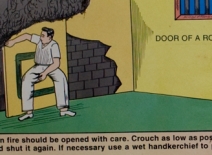
Fire safety poster, India

Questioning fire safety in factories

11 October 2013
Fires in South Asia garment factories: why do they start, why do they spread, and why can't workers get out?  
Ali Enterprises, Baldia, Pakistan

One year after Pakistan’s Baldia factory fire

11 September 2013
While progress has been made after two horrific factory disasters in Bangladesh, everybody seems to have forgotten about Pakistan’s worst-ever industrial disaster.
Women organising for workers' rights, Tanzania

Anything but trade unions?

8 August 2013
As ETI launches a new guidance on Freedom of Association, Stirling Smith explains why business should welcome trade unions.
New law on sexual harassment in India - game changer?

Sexual harassment in the workplace

2 July 2013
The new law on sexual harassment at the workplace in India: could this be the game changer that enables ETI members and others to push for action on the discrimination provisions in the ETI Base Code?
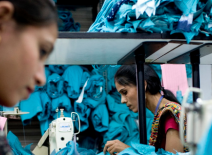
Fabric for garments

Factory collapse: a view from Dhaka

13 May 2013
While the West questions brands, anguish in the Bangladesh media has focused on the government's failure to implement building law. An independent view from Stirling Smith.

Pagination

  • Previous page ‹‹
  • Page 9

Stay up to date

Stay up to date with the latest from ETI via the following channels:
  • Email
  • Twitter
  • LinkedIn
  • Blog RSS

Get the latest

Subscribe to our email newsletters and stay up to speed on responsible business.

Subscribe

ETI elsewhere

  • Twitter
  • LinkedIn
  • YouTube

Footer

  • ETI Community
  • Accessibility
  • Contact
  • FAQ
  • Jobs at ETI
  • Press resources
  • Security & privacy
Other ETIs: Bangladesh, Denmark, Norway, Sweden
Ethical Trading Initiative | Registered No. 3578127