Home

Main menu

  • About ETI
    • Our members
      • Public reporting performance
    • Who we are
      • ETI's origins
    • What we do
    • Global presence
    • Governance
    • Our team
      • ETI Board members
    • Our Strategy
  • Home
  • Why ETI
    • Why join ETI
  • ETI Base Code
    • Base Code overview
    • Base Code clause 1: Employment is freely chosen
    • Base Code clause 2: Freedom of association
    • Base Code clause 3: Working conditions are safe and hygienic
    • Base Code clause 4: Child labour shall not be used
    • Base Code clause 5: Living wages are paid
    • Base Code clause 6: Working hours are not excessive
    • Base Code clause 7: No discrimination is practiced
    • Base Code clause 8: Regular employment is provided
    • Base Code clause 9: No harsh or inhumane treatment is allowed
  • Our approach
    • Membership
    • Programmes
    • Transparency
    • Meaningful stakeholder engagement (MSE)
  • Our expertise
    • Climate change & Just transitions
    • Crisis response
    • Gender equity in supply chains
    • Worker representation
    • Forced labour & modern slavery
    • Responsible purchasing practices
      • RPP in manufacturing
    • Human rights due diligence
      • HRDD legislation tracker
  • Resources
    • Guidance & reports
    • Blog
      • Blog series: Extreme heat and risks to workers
      • Blog series: Tackling gender-based violence through GRACE
    • Issues
      • Human rights due diligence (HRDD): a complete guide for business
        • What is human rights due diligence?
        • Human rights due diligence legislation and regulatory requirements
        • How to implement human rights due diligence in your company
        • HRDD risk assessment for supply chains
        • Supplier engagement and human rights due diligence
      • Forced labour & modern slavery: a complete guide for business
        • What is modern slavery? Definitions, forms and scale
        • How to identify forced labour in your supply chain
        • Remediation: what to do when forced labour is found
        • Modern slavery legislation: what businesses need to know
        • EU Forced Labour Regulation: what it means for your business
        • How to write a modern slavery statement
        • High-risk sectors and sourcing regions for forced labour
        • Forced labour and migrant workers in supply chains
      • Responsible purchasing practices: what they are and why they matter
        • How to implement responsible purchasing practices
        • Responsible purchasing practices and legislation: what companies need to know
        • Responsible purchasing practices by sector
    • Case studies
    • Training
    • Events
      • ETI Insights series
    • Impact report 2024-25

Jane Moyo

Jane Moyo
Position
Acting Media and Communications Manager
Organisation
ETI

Jane is Acting Media and Communications Manager at ETI.

Blog posts from this author

ETI expresses serious concerns over activist Andy Hall's ‘defamation’ verdict by Thai court

20 September 2016
Thailand is a global food exporter but is known to experience widespread exploitation issues in its supply chains.
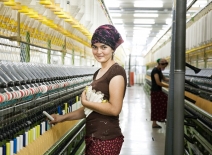
Turkmenbashi Tekstil Kompleksi is the biggest textile company in Central Asia ©ADB

LIVE BLOG: Can fast fashion ever be ethical?

16 September 2016
Follow our live blog for insight and discussion on whether fast fashion can ever be ethical from 8:30am (BST) on Tuesday 20 September.
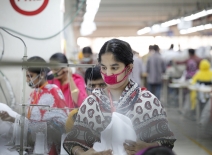
A Bangladesh garment worker ©ILO

Do you think fast fashion can ever be ethical?

16 September 2016
For London Fashion Week we're answering some of the burning questions that surround fast fashion? Let us know if there is anything you want to ask?
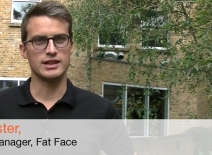
Mark Bannister, Sustainability Manager, Fat Face

[VIDEO] Do you think consumers care about ethical purchasing?

29 June 2016
Consumers are known to say one thing but do another and this has been particularly the case on ethical issues. 
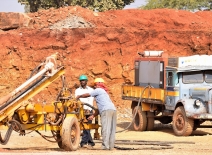
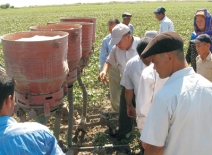
wagon drill machine to minimise dust

Improving health and safety in Rajasthan’s stone industry

23 June 2016
How a company-led health and safety project is helping to pave the way for employment rights in stone quarries and processing yards.
Growing cotton in Turkmenistan courtesy of UNDP

Ending forced labour in Turkmenistan's cotton sector

31 May 2016
Fifty seven companies, human rights NGOs, industry associations, investors and trade unions call on the Government of Turkmenistan to end human rights abuses.

Pagination

  • Previous page ‹‹
  • Page 10
  • Next page ››

Stay up to date

Stay up to date with the latest from ETI via the following channels:
  • Email
  • Twitter
  • LinkedIn
  • Blog RSS

Get the latest

Subscribe to our email newsletters and stay up to speed on responsible business.

Subscribe

ETI elsewhere

  • Twitter
  • LinkedIn
  • YouTube

Footer

  • ETI Community
  • Accessibility
  • Contact
  • FAQ
  • Jobs at ETI
  • Press resources
  • Security & privacy
Other ETIs: Bangladesh, Denmark, Norway, Sweden
Ethical Trading Initiative | Registered No. 3578127