Home

Main menu

  • About ETI
    • Our members
      • Public reporting performance
    • Who we are
      • ETI's origins
    • What we do
    • Global presence
    • Governance
    • Our team
      • ETI Board members
    • Our Strategy
  • Home
  • Why ETI
    • Why join ETI
  • ETI Base Code
    • Base Code overview
    • Base Code clause 1: Employment is freely chosen
    • Base Code clause 2: Freedom of association
    • Base Code clause 3: Working conditions are safe and hygienic
    • Base Code clause 4: Child labour shall not be used
    • Base Code clause 5: Living wages are paid
    • Base Code clause 6: Working hours are not excessive
    • Base Code clause 7: No discrimination is practiced
    • Base Code clause 8: Regular employment is provided
    • Base Code clause 9: No harsh or inhumane treatment is allowed
  • Our approach
    • Membership
    • Programmes
    • Transparency
    • Meaningful stakeholder engagement (MSE)
  • Our expertise
    • Climate change & Just transitions
    • Crisis response
    • Gender equity in supply chains
    • Worker representation
    • Forced labour & modern slavery
    • Responsible purchasing practices
      • RPP in manufacturing
    • Human rights due diligence
      • HRDD legislation tracker
  • Resources
    • Guidance & reports
    • Blog
      • Blog series: Extreme heat and risks to workers
      • Blog series: Tackling gender-based violence through GRACE
    • Issues
      • Human rights due diligence (HRDD): a complete guide for business
        • What is human rights due diligence?
        • Human rights due diligence legislation and regulatory requirements
        • How to implement human rights due diligence in your company
        • HRDD risk assessment for supply chains
        • Supplier engagement and human rights due diligence
      • Forced labour & modern slavery: a complete guide for business
        • What is modern slavery? Definitions, forms and scale
        • How to identify forced labour in your supply chain
        • Remediation: what to do when forced labour is found
        • Modern slavery legislation: what businesses need to know
        • EU Forced Labour Regulation: what it means for your business
        • How to write a modern slavery statement
        • High-risk sectors and sourcing regions for forced labour
        • Forced labour and migrant workers in supply chains
      • Responsible purchasing practices: what they are and why they matter
        • How to implement responsible purchasing practices
        • Responsible purchasing practices and legislation: what companies need to know
        • Responsible purchasing practices by sector
    • Case studies
    • Training
    • Events
      • ETI Insights series
    • Impact report 2024-25

Nick Kightley

Position
Strategic Lead - Food and Farming
Organisation
ETI

Blog posts from this author

Nick Kightley, ETI's Strategic Lead for Food, Farming and Fisheries respond's to Oxfam's 2020 Behind the Barcodes scorecard

30 June 2020
ETI members hold 5 of the top 6 places in the Behind the Barcodes scorecard and Tesco continues to be the benchmark against which to measure others. Nick Kightley reflects on how supermarkets have sought to communicate with suppliers, understand their challenges and provide advice and support during Covid-19

Is Nestle “Building Back Worse?”

25 June 2020
How will some of the world's poorest farmers be affected by the decision by Nestle to take them off Fairtrade terms and onto its own cocoa sustainability programme, Cocoa Plan?
Thai fishermen

What are the key takeaways for exporters and buyers from a new report on how Covid-19 has affected the Thai seafood sector?

25 June 2020
Covid-19 and the Thai seafood industry: Nick Kightley reflects on what seafood exporters and global buyers need to take away from a new report by CSO Coalition and Oxfam

Europe is threatened with food shortages as a result of Covid 19. What steps can we take to limit the damage?

27 March 2020
How can we tackle the food shortages threatening to engulf Europe because of Covid 19?

ETI joins seafood sector in call for Thai Prime Minister to intervene over fisheries regulations

3 October 2019
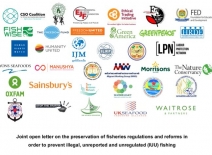
Ethical Trading Initiative is one of 34 signatories of a letter calling on the Prime Minister of Thailand to take action to protect recent reforms to the country’s fisheries regulations.

New toolkit supports businesses with multi-language workforces

30 September 2019
ETI members Cop and Marks and Spencer have joined forces to develop a toolkit offering practical support to businesses in tackling the common challenges associated with multiple cultures and languages among supply chain workers.

Pagination

  • Previous page ‹‹
  • Page 3
  • Next page ››

Stay up to date

Stay up to date with the latest from ETI via the following channels:
  • Email
  • Twitter
  • LinkedIn
  • Blog RSS

Get the latest

Subscribe to our email newsletters and stay up to speed on responsible business.

Subscribe

ETI elsewhere

  • Twitter
  • LinkedIn
  • YouTube

Footer

  • ETI Community
  • Accessibility
  • Contact
  • FAQ
  • Jobs at ETI
  • Press resources
  • Security & privacy
Other ETIs: Bangladesh, Denmark, Norway, Sweden
Ethical Trading Initiative | Registered No. 3578127