Home

Main menu

  • About ETI
    • Our members
      • Public reporting performance
    • Who we are
      • ETI's origins
    • What we do
    • Global presence
    • Governance
    • Our team
      • ETI Board members
    • Our Strategy
  • Home
  • Why ETI
    • Why join ETI
  • ETI Base Code
    • Base Code overview
    • Base Code clause 1: Employment is freely chosen
    • Base Code clause 2: Freedom of association
    • Base Code clause 3: Working conditions are safe and hygienic
    • Base Code clause 4: Child labour shall not be used
    • Base Code clause 5: Living wages are paid
    • Base Code clause 6: Working hours are not excessive
    • Base Code clause 7: No discrimination is practiced
    • Base Code clause 8: Regular employment is provided
    • Base Code clause 9: No harsh or inhumane treatment is allowed
  • Our approach
    • Membership
    • Programmes
    • Transparency
    • Meaningful stakeholder engagement (MSE)
  • Our expertise
    • Climate change & Just transitions
    • Crisis response
    • Gender equity in supply chains
    • Worker representation
    • Forced labour & modern slavery
    • Responsible purchasing practices
      • RPP in manufacturing
    • Human rights due diligence
      • HRDD legislation tracker
  • Resources
    • Guidance & reports
    • Blog
      • Blog series: Extreme heat and risks to workers
      • Blog series: Tackling gender-based violence through GRACE
    • Issues
      • Human rights due diligence (HRDD): a complete guide for business
        • What is human rights due diligence?
        • Human rights due diligence legislation and regulatory requirements
        • How to implement human rights due diligence in your company
        • HRDD risk assessment for supply chains
        • Supplier engagement and human rights due diligence
      • Forced labour & modern slavery: a complete guide for business
        • What is modern slavery? Definitions, forms and scale
        • How to identify forced labour in your supply chain
        • Remediation: what to do when forced labour is found
        • Modern slavery legislation: what businesses need to know
        • EU Forced Labour Regulation: what it means for your business
        • How to write a modern slavery statement
        • High-risk sectors and sourcing regions for forced labour
        • Forced labour and migrant workers in supply chains
      • Responsible purchasing practices: what they are and why they matter
        • How to implement responsible purchasing practices
        • Responsible purchasing practices and legislation: what companies need to know
        • Responsible purchasing practices by sector
    • Case studies
    • Training
    • Events
      • ETI Insights series
    • Impact report 2024-25

Breadcrumb

  1. Home
  2. blog

Advice from ETI member ARCO, the largest supplier of PPE in the UK, on purchasing PPE during the COVID-19 pandemic

  • Share on Facebook
  • Share on Twitter
  • Share on LinkedIn
  • Lindsay Wright - ETI
  • 12 June 2020

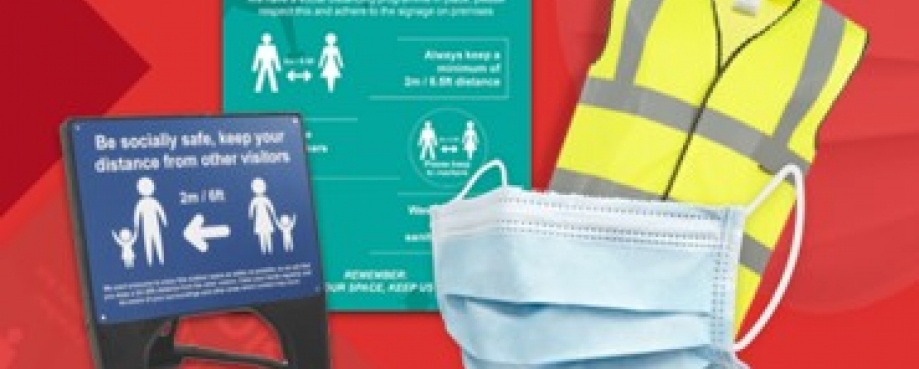
The purchase of certain PPE items has become increasingly challenging as the global surge in demand and international supply chain constrictions has led to a shortage of supply.  Also to combat the risk that the COVID-19 virus presents, many companies are now specifying face masks and coverings to protect their workers and customers for the first time. 

If purchasing PPE and face masks during COVID -19, follow the three steps below: 

Get advice on product selection

Assess the hazardous substance in the environment and the level of risk posed to workers. This will include the risk of exposure to viral infection. Issue the most appropriate PPE to minimise that risk. If full respiratory protection is not required, and the objective is to prevent the transmission of COVID-19, then a face mask will be a more suitable alternative. It is important that the higher levels of protective equipment are reserved for use where necessary, such as by the NHS, frontline responders and industries with specific hazards. Arco recommends Type II medical face masks. They are an effective means of preventing the spread of the virus from one person to another and will offer some protection to the wearer.

Ensure you are buying product that is tested to and compliant with relevant European Safety Standards

With an influx of PPE from new suppliers, some products entering the market have been found noncompliant and may not provide the appropriate protection, potentially posing a safety risk for the wearer. There is also evidence of false documentation, containing incorrect CE marking and declarations of conformity, making it difficult for purchasers to establish which products offer correct protection. When sourcing PPE from a new source, to ensure that you are buying compliant product it is recommended that you ask for the correct supporting documentation. Ask for two documents: a CE Certificate, and a Declaration of Conformity. It is also advisable that you check that the documents are genuine and legal. Advice on how to do this can be found on the Arco website and through the British Safety Industry Federation (BSIF),

Check the supplier’s ethical credentials

Ensure you only work with ethical suppliers, with the increased numbers of new suppliers and extreme levels of demand it is as important as ever to check where your products are being manufactured and worker welfare is ensured. Ask your suppliers to share information about their supply chain, factories and management practices.

Arco advice about purchasing PPE during the pandemic and other safety measures to combat COVID-19

ETI/FairWear guidance and checklist on occupational health and safety and PPE

File(s)

COVID-19 briefing note: Procurement of Personal Protective Equipment (PPE)

Technical guidelines and advice within the current COVID-19 context, June 2020
Read more
ETI's blog covers issues at the intersection of business and human rights. We feature posts by, for and from our members and allies; we do not accept or offer payment for posts or publish content outside of these criteria. We welcome a range of insights and opinions from our guest bloggers, though don't necessarily agree with everything they say.

Stay up to date

Stay up to date with the latest from ETI via the following channels:
  • Email
  • Twitter
  • LinkedIn
  • Blog RSS

Related content

  • Why are young women workers killing themselves in India?
  • Lessons on worker safety from a Nobel prize winner
  • Preventing accidents at work: personal protective equipment, or what?
  • Can China ever be safe?
  • A Bhopal every month
  • Marking one year since Tazreen Fashions fire

Get the latest

Subscribe to our email newsletters and stay up to speed on responsible business.

Subscribe

ETI elsewhere

  • Twitter
  • LinkedIn
  • YouTube

Footer

  • ETI Community
  • Accessibility
  • Contact
  • FAQ
  • Jobs at ETI
  • Press resources
  • Security & privacy
Other ETIs: Bangladesh, Denmark, Norway, Sweden
Ethical Trading Initiative | Registered No. 3578127