Home

Main menu

  • About ETI
    • Our members
      • Public reporting performance
    • Who we are
      • ETI's origins
    • What we do
    • Global presence
    • Governance
    • Our team
      • ETI Board members
    • Our Strategy
  • Home
  • Why ETI
    • Why join ETI
  • ETI Base Code
    • Base Code overview
    • Base Code clause 1: Employment is freely chosen
    • Base Code clause 2: Freedom of association
    • Base Code clause 3: Working conditions are safe and hygienic
    • Base Code clause 4: Child labour shall not be used
    • Base Code clause 5: Living wages are paid
    • Base Code clause 6: Working hours are not excessive
    • Base Code clause 7: No discrimination is practiced
    • Base Code clause 8: Regular employment is provided
    • Base Code clause 9: No harsh or inhumane treatment is allowed
  • Our approach
    • Membership
    • Programmes
    • Transparency
    • Meaningful stakeholder engagement (MSE)
  • Our expertise
    • Climate change & Just transitions
    • Crisis response
    • Gender equity in supply chains
    • Worker representation
    • Forced labour & modern slavery
    • Responsible purchasing practices
      • RPP in manufacturing
    • Human rights due diligence
      • HRDD legislation tracker
  • Resources
    • Guidance & reports
    • Blog
      • Blog series: Extreme heat and risks to workers
      • Blog series: Tackling gender-based violence through GRACE
    • Issues
      • Human rights due diligence (HRDD): a complete guide for business
        • What is human rights due diligence?
        • Human rights due diligence legislation and regulatory requirements
        • How to implement human rights due diligence in your company
        • HRDD risk assessment for supply chains
        • Supplier engagement and human rights due diligence
      • Forced labour & modern slavery: a complete guide for business
        • What is modern slavery? Definitions, forms and scale
        • How to identify forced labour in your supply chain
        • Remediation: what to do when forced labour is found
        • Modern slavery legislation: what businesses need to know
        • EU Forced Labour Regulation: what it means for your business
        • How to write a modern slavery statement
        • High-risk sectors and sourcing regions for forced labour
        • Forced labour and migrant workers in supply chains
      • Responsible purchasing practices: what they are and why they matter
        • How to implement responsible purchasing practices
        • Responsible purchasing practices and legislation: what companies need to know
        • Responsible purchasing practices by sector
      • UK mandatory human rights due diligence: what businesses need to know
    • Case studies
    • Training
    • Events
      • ETI Insights series
    • Impact report 2024-25

Breadcrumb

  1. Home
  2. blog

Bangladesh: ETI joins calls for a further increase to the minimum wage

  • Share on Facebook
  • Share on Twitter
  • Share on LinkedIn
  • 11 August 2010
News story

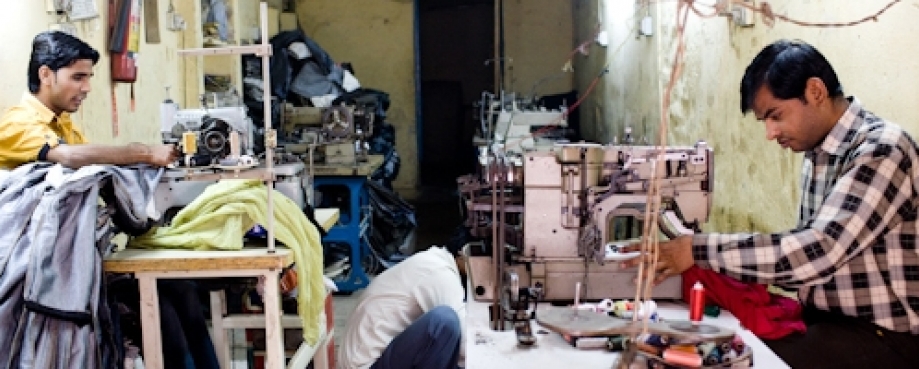
ETI is joining trade union calls for the Bangladeshi government to make a further increase in the minimum wage to 5,000 taka (around £45) a month, and to speed up its implementation.

Workers in and around Dhaka rioted for several days after the government on 31 June announced its long-delayed decision to raise the minimum wage from 1,662 taka (£15) a month to 3,000 taka (£27), to come into effect on 1 November.

The new minimum wage falls far short of the 5,000 taka supported by Bangladeshi and international unions, which ETI considers a realistic target to work towards in Bangladesh.

Says ETI Chair Alan Roberts: "The 2.5 million people working in the industry are clearly incredibly frustrated about the government's continuing failure to set a minimum wage that reflects their true cost of living.

"The government must increase the minimum wage further, and do so swiftly. It must also enforce the rule of law and ensure that workers are free to join a union of their choosing, so that they can collectively bargain with their employers to increase wages.

"Retailers sourcing from Bangladesh also have a critical role to play. They must take urgent steps to ensure they are trading in a way that supports a living wage and decent terms and conditions for workers.

"This must take account of the price they pay to their suppliers, but retailers also need to embed ethical trade into the way they do business with them, including developing close working relationships with factories, making sure they don't place unrealistic demands on them, and supporting them to achieve maximum efficiency."

ETI member companies sourcing from Bangladesh have been working to raise standards in their supplier factories over several years. Most recently, companies including M&S and Asda George have embarked on pilot projects with selected factories to achieve incremental wage rises through efficiency gains.

Wages in some factories have already risen by up to 55%, and there is potential for extending the gains far more broadly across the industry.

ETI members are also committed to using their collective influence to lobby the government to raise standards for Bangladeshi garment workers, and we have approached Bangladeshi government representatives requesting an urgent dialogue.

Says Roberts: "There is no silver bullet to raising wages in Bangladesh. But there is huge potential to make a lasting difference across the industry if the government, industry, unions and retailers all play their part."


ETI's blog covers issues at the intersection of business and human rights. We feature posts by, for and from our members and allies; we do not accept or offer payment for posts or publish content outside of these criteria. We welcome a range of insights and opinions from our guest bloggers, though don't necessarily agree with everything they say.

Stay up to date

Stay up to date with the latest from ETI via the following channels:
  • Email
  • Twitter
  • LinkedIn
  • Blog RSS

Get the latest

Subscribe to our email newsletters and stay up to speed on responsible business.

Subscribe

ETI elsewhere

  • Twitter
  • LinkedIn
  • YouTube

Footer

  • ETI Community
  • Accessibility
  • Contact
  • FAQ
  • Jobs at ETI
  • Press resources
  • Security & privacy
Other ETIs: Bangladesh, Denmark, Norway, Sweden
Ethical Trading Initiative | Registered No. 3578127