Home

Main menu

  • About ETI
    • Our members
      • Public reporting performance
    • Who we are
      • ETI's origins
    • What we do
    • Global presence
    • Governance
    • Our team
      • ETI Board members
    • Our Strategy
  • Home
  • Why ETI
    • Why join ETI
  • ETI Base Code
    • Base Code overview
    • Base Code clause 1: Employment is freely chosen
    • Base Code clause 2: Freedom of association
    • Base Code clause 3: Working conditions are safe and hygienic
    • Base Code clause 4: Child labour shall not be used
    • Base Code clause 5: Living wages are paid
    • Base Code clause 6: Working hours are not excessive
    • Base Code clause 7: No discrimination is practiced
    • Base Code clause 8: Regular employment is provided
    • Base Code clause 9: No harsh or inhumane treatment is allowed
  • Our approach
    • Membership
    • Programmes
    • Transparency
    • Meaningful stakeholder engagement (MSE)
  • Our expertise
    • Climate change & Just transitions
    • Crisis response
    • Gender equity in supply chains
    • Worker representation
    • Forced labour & modern slavery
    • Responsible purchasing practices
      • RPP in manufacturing
    • Human rights due diligence
      • HRDD legislation tracker
  • Resources
    • Guidance & reports
    • Blog
      • Blog series: Extreme heat and risks to workers
      • Blog series: Tackling gender-based violence through GRACE
    • Issues
      • Human rights due diligence (HRDD): a complete guide for business
        • What is human rights due diligence?
        • Human rights due diligence legislation and regulatory requirements
        • How to implement human rights due diligence in your company
        • HRDD risk assessment for supply chains
        • Supplier engagement and human rights due diligence
      • Forced labour & modern slavery: a complete guide for business
        • What is modern slavery? Definitions, forms and scale
        • How to identify forced labour in your supply chain
        • Remediation: what to do when forced labour is found
        • Modern slavery legislation: what businesses need to know
        • EU Forced Labour Regulation: what it means for your business
        • How to write a modern slavery statement
        • High-risk sectors and sourcing regions for forced labour
        • Forced labour and migrant workers in supply chains
      • Responsible purchasing practices: what they are and why they matter
        • How to implement responsible purchasing practices
        • Responsible purchasing practices and legislation: what companies need to know
        • Responsible purchasing practices by sector
    • Case studies
    • Training
    • Events
      • ETI Insights series
    • Impact report 2024-25

Breadcrumb

  1. Home
  2. blog

ETI: members should commit to “active advocacy” to end migrant labour abuse, or cease sourcing from worst affected areas

  • Share on Facebook
  • Share on Twitter
  • Share on LinkedIn
  • Lindsay Wright - ETI
  • 12 May 2020
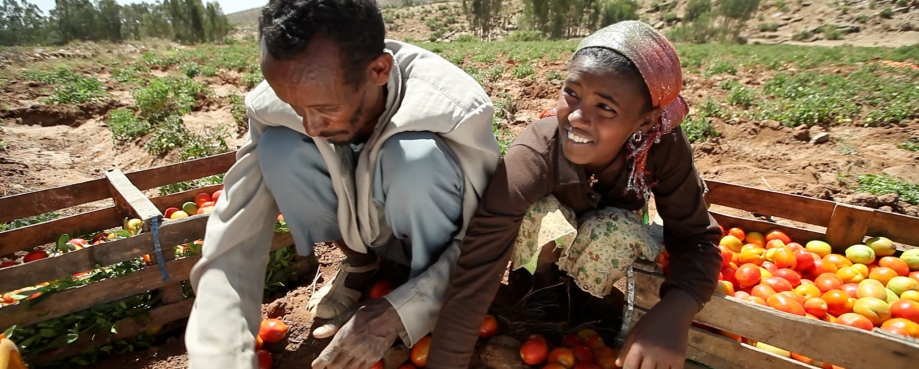
Farmers sorting Tomatoes. Ethiopia World Bank Pic

ETI has called for members sourcing from areas where there are well known issues with the mistreatment of migrant workers to either work in partnership with country governments and civil society in “active advocacy”, or cease sourcing from affected areas.

The call comes after an article in Open Democracy revealed extensive abuse of Romanian and African migrant workers in the agricultural sector, including in the Ragusa region of Sicily, a supplier to a number of well-known UK and European food retailers. The article also revealed the use of “ghettoes” for Sub-Saharan African migrant workers trapped in the country and unable to return home due to restrictions on their movements due to Covid-19. 

Nick Kightley, ETI Strategic Lead, Food and Farming, comments: “When it comes to the treatment of migrant workers in Italy, some sourcing companies have been too silent for too long and some have turned a blind eye to widespread exploitation and wage levels below the law. 

“The need for legal reforms to give migrant workers equal rights is a huge issue not just in Italy but in many Mediterranean countries. Exploitation feeds off informality, and while the Italian government has to take the lead in protecting and supporting migrant workers, especially the most vulnerable, including women, companies could and should be joining NGOs and trade unions to call for reform, or cease sourcing from areas where the abuse of migrant labour is rife.

“Companies which take the decision to move towards active advocacy will not only support workers, but reap the benefits in terms of better functioning supply chains and lower risks to their business operations.

"ETI is calling for active corporate advocacy as a minimum requirement for continuing to trade in areas where the abuse of migrant labourers is a known, and severe issue, and for its members to commit to working alongside the NGOs and trade unions working towards achieving equal rights for migrant workers in Italy and the Mediterranean. 

"ETI is able to facilitate advocacy by business, and support member companies to move to an active role in advocating for government action, including in situations where migrant workers may not have been laid off, but are found to be working in miserable conditions, with no rights." 

ETI has published a briefing note on the responsibilities of employers towards migrant workers during the Covid-19 crisis. Read it here. 

ETI's blog covers issues at the intersection of business and human rights. We feature posts by, for and from our members and allies; we do not accept or offer payment for posts or publish content outside of these criteria. We welcome a range of insights and opinions from our guest bloggers, though don't necessarily agree with everything they say.

Stay up to date

Stay up to date with the latest from ETI via the following channels:
  • Email
  • Twitter
  • LinkedIn
  • Blog RSS

Related content

  • Vulnerable employment is on the rise
  • Italian tomatoes: no more excuses over labour exploitation
  • One in a million - or why are UK employers getting away with third world conditions?
  • Labour rights in Cambodia - reflections and questions
  • Myanmar MSI Public Statement
  • Gender inequality in international supply chains

Get the latest

Subscribe to our email newsletters and stay up to speed on responsible business.

Subscribe

ETI elsewhere

  • Twitter
  • LinkedIn
  • YouTube

Footer

  • ETI Community
  • Accessibility
  • Contact
  • FAQ
  • Jobs at ETI
  • Press resources
  • Security & privacy
Other ETIs: Bangladesh, Denmark, Norway, Sweden
Ethical Trading Initiative | Registered No. 3578127