Home

Main menu

  • About ETI
    • Our members
      • Public reporting performance
    • Who we are
      • ETI's origins
    • What we do
    • Global presence
    • Governance
    • Our team
      • ETI Board members
    • Our Strategy
  • Home
  • Why ETI
    • Why join ETI
  • ETI Base Code
    • Base Code overview
    • Base Code clause 1: Employment is freely chosen
    • Base Code clause 2: Freedom of association
    • Base Code clause 3: Working conditions are safe and hygienic
    • Base Code clause 4: Child labour shall not be used
    • Base Code clause 5: Living wages are paid
    • Base Code clause 6: Working hours are not excessive
    • Base Code clause 7: No discrimination is practiced
    • Base Code clause 8: Regular employment is provided
    • Base Code clause 9: No harsh or inhumane treatment is allowed
  • Our approach
    • Membership
    • Programmes
    • Transparency
    • Meaningful stakeholder engagement (MSE)
  • Our expertise
    • Climate change & Just transitions
    • Crisis response
    • Gender equity in supply chains
    • Worker representation
    • Forced labour & modern slavery
    • Responsible purchasing practices
      • RPP in manufacturing
    • Human rights due diligence
      • HRDD legislation tracker
  • Resources
    • Guidance & reports
    • Blog
      • Blog series: Tackling gender-based violence through GRACE
    • Issues
      • Human rights due diligence (HRDD): a complete guide for business
        • What is human rights due diligence?
        • Human rights due diligence legislation and regulatory requirements
        • How to implement human rights due diligence in your company
        • HRDD risk assessment for supply chains
        • Supplier engagement and human rights due diligence
      • Forced labour & modern slavery: a complete guide for business
        • What is modern slavery? Definitions, forms and scale
        • How to identify forced labour in your supply chain
        • Remediation: what to do when forced labour is found
        • Modern slavery legislation: what businesses need to know
        • EU Forced Labour Regulation: what it means for your business
        • How to write a modern slavery statement
        • High-risk sectors and sourcing regions for forced labour
        • Forced labour and migrant workers in supply chains
      • Responsible purchasing practices: what they are and why they matter
        • How to implement responsible purchasing practices
        • Responsible purchasing practices and legislation: what companies need to know
        • Responsible purchasing practices by sector
    • Case studies
    • Training
    • Events
      • ETI Insights series
    • Impact report 2024-25

Breadcrumb

  1. Home
  2. blog

The Global Tea Producers Survey - why tea producers should do it and brands should welcome it

  • Share on Facebook
  • Share on Twitter
  • Share on LinkedIn
  • Sabita Banerji - THIRST
  • 23 January 2023
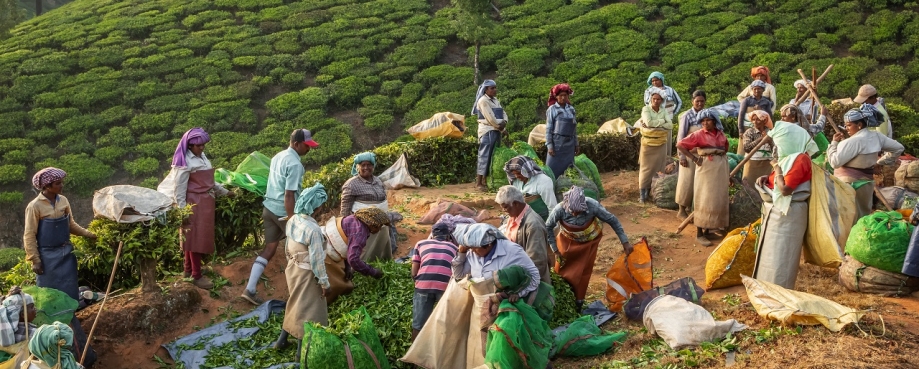
Workers meet to sort tea leaves collected across the estate. Photo credit: Shutterstock.

In 2017 ETI – along with ETI Norway and Denmark – published the ‘Guide to Buying Responsibly’. The guide was widely welcomed by suppliers, brands and retailers and is still used by buyers in major international companies. It was based on a global supplier survey conducted by the joint ETIs and the ILO, with support from SEDEX.

I was part of the team behind that survey. When we started designing it, we were advised that if it had more than ten questions, nobody would respond. It had over 70 questions and over 2,000 suppliers across multiple countries and industries responded. Why? And can THIRST hope for a similar response to its Global Tea Producers Survey?

Why suppliers are eager to speak out… anonymously

Suppliers come under a lot of pressure from all angles. From workers, their representatives and civil society to improve pay and conditions, and from their customers to meet codes of conduct and to keep prices low.

They are often constrained from speaking out about the challenges that relate to their customers, because they are understandably nervous about offending them.  

But the response to the ETI/ILO supplier survey was a clear demonstration that, when given the chance to do so anonymously, suppliers are eager to explain the challenges they face in meeting demands for better working conditions for their employees.

Now THIRST is offering the same opportunity to tea producers.

Fact-finding, not finger-pointing

Some tea producers may be equally nervous about speaking up and exposing themselves. And some tea brands and retailers may be nervous that this is an invitation for their suppliers to criticise them.

This nervousness is exacerbated by the fact that the tea industry is currently under considerable pressure with rising production costs, stagnating prices and climate impacts affecting its profitability and jobs. Nobody wants to tarnish its reputation further and risk losing more customers.

But, as I explained in this TeaBiz podcast, this survey is simply an exercise in understanding the facts so we can find solutions. There is no intention of blame or finger-pointing at any element of the industry.

THIRST, along with other NGOs and civil society, wants the same as companies:  for the tea industry not just to survive but to thrive, and for everybody within it to be treated fairly and have a decent life.

An unmissable opportunity for tea producers and brands

For tea producers, the Global Tea Producers Survey is a unique opportunity to speak freely (thanks to the survey’s anonymity) and explain their reality; shedding a necessary light on the obstacles they face  in meeting the demands of civil society and their own customers, to improve conditions for their workers.

For tea brands and retailers, it’s an opportunity to understand the real pressures their suppliers may be under, which could be driving human rights breaches. It will also help them to consider what changes they could make in their own practices and relationships with suppliers that will help them provide workers with better pay and conditions.  They can see it as part of their supply chain human rights due diligence – something that will become mandatory in many countries.

Results will lead to action

The results of the survey will, alongside THIRST’s 2022 report Human Rights in the Tea Sector – The Big Picture, form the basis for a series of international, multi-stakeholder meetings to discuss what can and should be done – and by whom.

These will not be mere talking shops, but action planning sessions aimed and working together to create a tea industry fit for the 21st Century, a thriving industry that is fair for everyone in it.

Managers and owners of tea estates (also referred to as gardens and plantations)  employing more than 15 workers can register here for the Global Tea Producers Survey. Please register before 31 January 2023.

ETI's blog covers issues at the intersection of business and human rights. We feature posts by, for and from our members and allies; we do not accept or offer payment for posts or publish content outside of these criteria. We welcome a range of insights and opinions from our guest bloggers, though don't necessarily agree with everything they say.

Stay up to date

Stay up to date with the latest from ETI via the following channels:
  • Email
  • Twitter
  • LinkedIn
  • Blog RSS

Get the latest

Subscribe to our email newsletters and stay up to speed on responsible business.

Subscribe

ETI elsewhere

  • Twitter
  • LinkedIn
  • YouTube

Footer

  • ETI Community
  • Accessibility
  • Contact
  • FAQ
  • Jobs at ETI
  • Press resources
  • Security & privacy
Other ETIs: Bangladesh, Denmark, Norway, Sweden
Ethical Trading Initiative | Registered No. 3578127