Home

Main menu

  • About ETI
    • Our members
      • Public reporting performance
    • Who we are
      • ETI's origins
    • What we do
    • Global presence
    • Governance
    • Our team
      • ETI Board members
    • Our Strategy
  • Home
  • Why ETI
    • Why join ETI
  • ETI Base Code
    • Base Code overview
    • Base Code clause 1: Employment is freely chosen
    • Base Code clause 2: Freedom of association
    • Base Code clause 3: Working conditions are safe and hygienic
    • Base Code clause 4: Child labour shall not be used
    • Base Code clause 5: Living wages are paid
    • Base Code clause 6: Working hours are not excessive
    • Base Code clause 7: No discrimination is practiced
    • Base Code clause 8: Regular employment is provided
    • Base Code clause 9: No harsh or inhumane treatment is allowed
  • Our approach
    • Membership
    • Programmes
    • Transparency
    • Meaningful stakeholder engagement (MSE)
  • Our expertise
    • Climate change & Just transitions
    • Crisis response
    • Gender equity in supply chains
    • Worker representation
    • Forced labour & modern slavery
    • Responsible purchasing practices
      • RPP in manufacturing
    • Human rights due diligence
      • HRDD legislation tracker
  • Resources
    • Guidance & reports
    • Blog
      • Blog series: Tackling gender-based violence through GRACE
    • Issues
      • Human rights due diligence (HRDD): a complete guide for business
        • What is human rights due diligence?
        • Human rights due diligence legislation and regulatory requirements
        • How to implement human rights due diligence in your company
        • HRDD risk assessment for supply chains
        • Supplier engagement and human rights due diligence
      • Forced labour & modern slavery: a complete guide for business
        • What is modern slavery? Definitions, forms and scale
        • How to identify forced labour in your supply chain
        • Remediation: what to do when forced labour is found
        • Modern slavery legislation: what businesses need to know
        • EU Forced Labour Regulation: what it means for your business
        • How to write a modern slavery statement
        • High-risk sectors and sourcing regions for forced labour
        • Forced labour and migrant workers in supply chains
      • Responsible purchasing practices: what they are and why they matter
        • How to implement responsible purchasing practices
        • Responsible purchasing practices and legislation: what companies need to know
        • Responsible purchasing practices by sector
    • Case studies
    • Training
    • Events
      • ETI Insights series
    • Impact report 2024-25

Breadcrumb

  1. Home
  2. blog

International Women's Day 2020 and the Harvey Weinstein verdict

  • Share on Facebook
  • Share on Twitter
  • Share on LinkedIn
  • Lindsay Wright - ETI
  • 25 February 2020

The conviction of Harvey Weinstein on two charges of sexual assault has sent shockwaves around the world, and is a major win for the #MeToo movement. 

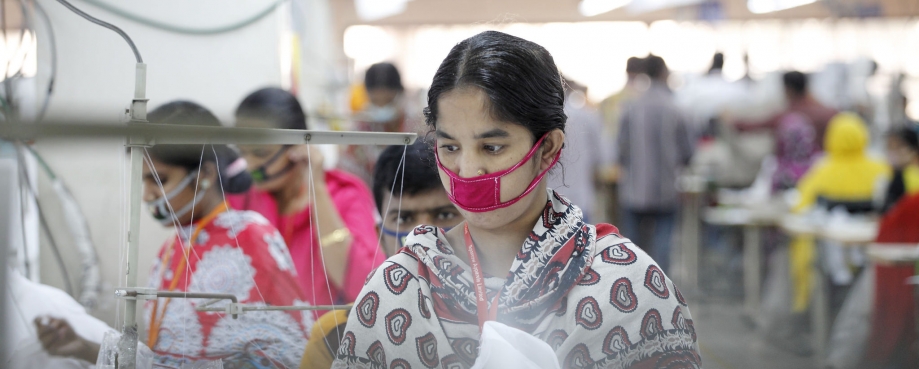
But as International Women's Day approaches, and the world's leaders prepare to discuss gender equality at the annual UN Commission on the Status of Women on 11 March, what does the verdict really mean for women in developing countries? And what can businesses, including ETI members, do to protect women workers in the countries they source from? 

ETI is holding an event to mark International Women's Day on 9 March, at which we will be launching a new report, Safe Spaces, compiled by Women Working Worldwide, which includes case studies of women who have fought long and hard to access their rights and protections at work in a number of countries.

In common with their sisters on the other side of the world who gave testimony against Weinstein, they have shown incredible strength and determination in the face of hostility, discrimination and sometimes threats to their safety in order to make their voices heard. 

Their stories give us hope, but we should not be tricked into believing that the battle is over. In the absence of any international treaty on gender-based violence at work, millions of women around the world remain at risk and most rapes and sexual assaults still go unreported because women fear they will lose their jobs if they speak out. Even where sexual harassment laws exist, they are often not enforced.

At our event on 9 March, we will be exploring how ETI can work collaboratively across its different sectors - businesses, NGOs and trade unions - to progress the ratification of ILO Convention 190 on violence and harassment at work in key production countries, and use current guidance, such as the recommendations in the Safe Spaces report, Base Code guidance on gender equality and ETI briefing paper on ILO 190 to create safe working spaces for the most vulnerable women in our supply chains.

Sign up for our International Women's Day event here, and support the ratification campaign in the run up to the event, and on the day itself

@IWD2020 #IWD2020 #eachforequal #ratifyILO190

ETI's blog covers issues at the intersection of business and human rights. We feature posts by, for and from our members and allies; we do not accept or offer payment for posts or publish content outside of these criteria. We welcome a range of insights and opinions from our guest bloggers, though don't necessarily agree with everything they say.

Stay up to date

Stay up to date with the latest from ETI via the following channels:
  • Email
  • Twitter
  • LinkedIn
  • Blog RSS

Related content

  • Time for men to show leadership in eliminating violence against women
  • “I can do anything” | Empowering women in India's garment sector
  • THE LEADERSHIP SERIES: ETI and me – why it’s important to empathise, talk and act to change supply chains
  • Women’s economic empowerment cannot be divorced from workers’ rights
  • How to source from women-owned businesses
  • Why #metoo doesn’t reach women workers in garment factories

Get the latest

Subscribe to our email newsletters and stay up to speed on responsible business.
Subscribe

ETI elsewhere

  • Twitter
  • LinkedIn
  • YouTube

Footer

  • ETI Community
  • Accessibility
  • Contact
  • FAQ
  • Jobs at ETI
  • Press resources
  • Security & privacy
Other ETIs: Bangladesh, Denmark, Norway, Sweden
Ethical Trading Initiative | Registered No. 3578127