Home

Main menu

  • About ETI
    • Our members
      • Public reporting performance
    • Who we are
      • ETI's origins
    • What we do
    • Global presence
    • Governance
    • Our team
      • ETI Board members
    • Our Strategy
  • Home
  • Why ETI
    • Why join ETI
  • ETI Base Code
    • Base Code overview
    • Base Code clause 1: Employment is freely chosen
    • Base Code clause 2: Freedom of association
    • Base Code clause 3: Working conditions are safe and hygienic
    • Base Code clause 4: Child labour shall not be used
    • Base Code clause 5: Living wages are paid
    • Base Code clause 6: Working hours are not excessive
    • Base Code clause 7: No discrimination is practiced
    • Base Code clause 8: Regular employment is provided
    • Base Code clause 9: No harsh or inhumane treatment is allowed
  • Our approach
    • Membership
    • Programmes
    • Transparency
    • Meaningful stakeholder engagement (MSE)
  • Our expertise
    • Climate change & Just transitions
    • Crisis response
    • Gender equity in supply chains
    • Worker representation
    • Forced labour & modern slavery
    • Responsible purchasing practices
      • RPP in manufacturing
    • Human rights due diligence
      • HRDD legislation tracker
  • Resources
    • Guidance & reports
    • Blog
      • Blog series: Tackling gender-based violence through GRACE
    • Issues
      • Human rights due diligence (HRDD): a complete guide for business
        • What is human rights due diligence?
        • Human rights due diligence legislation and regulatory requirements
        • How to implement human rights due diligence in your company
        • HRDD risk assessment for supply chains
        • Supplier engagement and human rights due diligence
      • Forced labour & modern slavery: a complete guide for business
        • What is modern slavery? Definitions, forms and scale
        • How to identify forced labour in your supply chain
        • Remediation: what to do when forced labour is found
        • Modern slavery legislation: what businesses need to know
        • EU Forced Labour Regulation: what it means for your business
        • How to write a modern slavery statement
        • High-risk sectors and sourcing regions for forced labour
        • Forced labour and migrant workers in supply chains
      • Responsible purchasing practices: what they are and why they matter
        • How to implement responsible purchasing practices
        • Responsible purchasing practices and legislation: what companies need to know
        • Responsible purchasing practices by sector
    • Case studies
    • Training
    • Events
      • ETI Insights series
    • Impact report 2024-25

Breadcrumb

  1. Home
  2. blog

Trade and aid: analysing the Department for International Development’s new economic development strategy

  • Share on Facebook
  • Share on Twitter
  • Share on LinkedIn
  • 2 March 2017
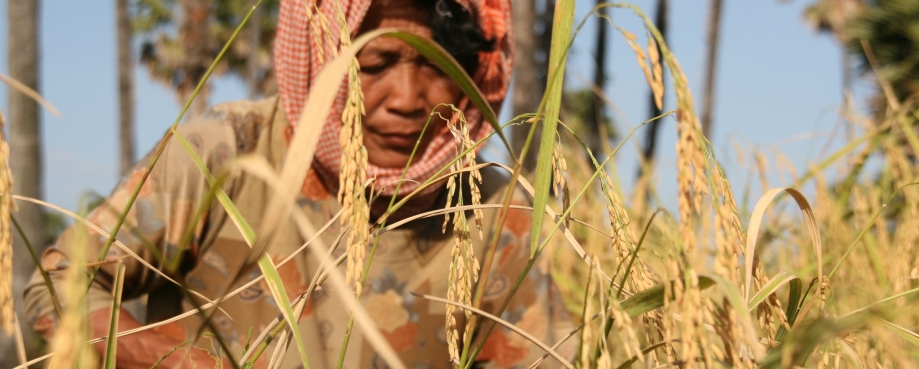
Cambodian rice farmer, On Phat © ILO-Khem Sovannara

At the end of January, the UK’s Department for International Development (DFID) launched its first ever economic development strategy, writes Ben Rutledge.

DFID's economic development strategy outlines the development department's new priorities in line with the government’s recent commitment to improve relations with the UK’s “trading partners of the future”. 

It appears that DFID could be moving away from direct non-humanitarian aid that targets poverty alleviation.

Instead, it sets out how Britain will establish new trade, investment and economic links, which will contribute to ending global poverty. The strategy shows how DFID will focus on creating jobs and channelling investment to the world’s poorest countries.

The strategy also flags how DFID will collaborate with other government departments. And there’s some interesting thinking around the recapitalization of DFID’s private investment arm CDC and on the implications of Brexit.

Reducing poverty...

Late last year, legislation was passed quadrupling the CDC Group’s funding cap from £1.5 billion to £6 billion. The move prompted allegations that Britain is privatising its aid budget (Editor: the link is to a firewalled FT article). However, the International Development Act, passed in 2002, made it illegal to use aid for purposes other than reducing poverty.

Britain is a leading force in development. The Prime Minister, Theresa May, has pledged to continue to meet the legally binding commitment of spending 0.7% of GDP on development aid. And the UK is the only member of the G7 to have done so.

Furthermore, there’s a justification for funding organisations such as ourselves, SHIFT, UN Global Compact UK and ShareAction, with our focus on trade and creating decent work in developing countries. 

ETI’s role is to work with companies, unions, civil society groups and governments to promote job-creation and to ensure that workers are well paid, free from exploitation and discrimination while enjoying conditions of freedom, security and equity. As such, we are currently in receipt of a grant of £5 million over three years from DFID’s Responsible, Accountable and Transparent Enterprise (RATE) funding stream.

...through sustained job creation

Secretary of State for International Development, Priti Patel, has emphasised that throughout history, sustained job-creating growth has played the greatest role in lifting huge numbers of people out of grinding poverty. She argues that this is what developing countries want and is what the international system needs to help deliver.

The Economist has published a very interesting article about DFID’s policy, which is worth reading.

To summarise the Economist’s viewpoint: it’s bold, it encompasses some sound judgements (albeit they disagree with some of them) but Brexit with its uncertain economic future is making everything harder.

What do you think? 

Find out more about how ETI is funded.

ETI's blog covers issues at the intersection of business and human rights. We feature posts by, for and from our members and allies; we do not accept or offer payment for posts or publish content outside of these criteria. We welcome a range of insights and opinions from our guest bloggers, though don't necessarily agree with everything they say.

Stay up to date

Stay up to date with the latest from ETI via the following channels:
  • Email
  • Twitter
  • LinkedIn
  • Blog RSS

Related content

  • Brexit's impact on vulnerable workers in global supply chains
  • Cambodia, Myanmar and the EU's 'Everything But Arms' trade deal
  • Challenging business to back women-led SMEs in garment supply chains
  • Our impact on workers
  • 2.5 million workers benefit from ETI’s work in five years

Get the latest

Subscribe to our email newsletters and stay up to speed on responsible business.

Subscribe

ETI elsewhere

  • Twitter
  • LinkedIn
  • YouTube

Footer

  • ETI Community
  • Accessibility
  • Contact
  • FAQ
  • Jobs at ETI
  • Press resources
  • Security & privacy
Other ETIs: Bangladesh, Denmark, Norway, Sweden
Ethical Trading Initiative | Registered No. 3578127