Home

Main menu

  • About ETI
    • Our members
      • Public reporting performance
    • Who we are
      • ETI's origins
    • What we do
    • Global presence
    • Governance
    • Our team
      • ETI Board members
    • Our Strategy
  • Home
  • Why ETI
    • Why join ETI
  • ETI Base Code
    • Base Code overview
    • Base Code clause 1: Employment is freely chosen
    • Base Code clause 2: Freedom of association
    • Base Code clause 3: Working conditions are safe and hygienic
    • Base Code clause 4: Child labour shall not be used
    • Base Code clause 5: Living wages are paid
    • Base Code clause 6: Working hours are not excessive
    • Base Code clause 7: No discrimination is practiced
    • Base Code clause 8: Regular employment is provided
    • Base Code clause 9: No harsh or inhumane treatment is allowed
  • Our approach
    • Membership
    • Programmes
    • Transparency
    • Meaningful stakeholder engagement (MSE)
  • Our expertise
    • Climate change & Just transitions
    • Crisis response
    • Gender equity in supply chains
    • Worker representation
    • Forced labour & modern slavery
    • Responsible purchasing practices
      • RPP in manufacturing
    • Human rights due diligence
      • HRDD legislation tracker
  • Resources
    • Guidance & reports
    • Blog
      • Blog series: Tackling gender-based violence through GRACE
    • Issues
      • Human rights due diligence (HRDD): a complete guide for business
        • What is human rights due diligence?
        • Human rights due diligence legislation and regulatory requirements
        • How to implement human rights due diligence in your company
        • HRDD risk assessment for supply chains
        • Supplier engagement and human rights due diligence
      • Forced labour & modern slavery: a complete guide for business
        • What is modern slavery? Definitions, forms and scale
        • How to identify forced labour in your supply chain
        • Remediation: what to do when forced labour is found
        • Modern slavery legislation: what businesses need to know
        • EU Forced Labour Regulation: what it means for your business
        • How to write a modern slavery statement
        • High-risk sectors and sourcing regions for forced labour
        • Forced labour and migrant workers in supply chains
      • Responsible purchasing practices: what they are and why they matter
        • How to implement responsible purchasing practices
        • Responsible purchasing practices and legislation: what companies need to know
        • Responsible purchasing practices by sector
    • Case studies
    • Training
    • Events
      • ETI Insights series
    • Impact report 2024-25

Breadcrumb

  1. Home
  2. blog

DFID's call for pro-poor investment in Africa is timely

  • Share on Facebook
  • Share on Twitter
  • Share on LinkedIn
  • Peter McAllister - ETI
  • 14 July 2011
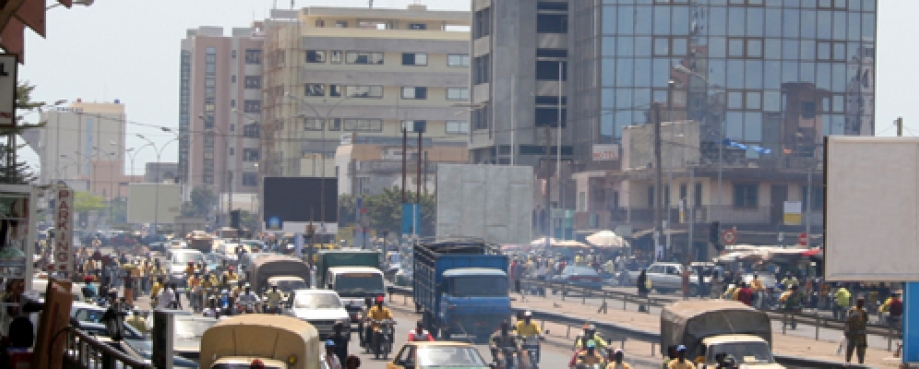
'Africa is open for business' | istockphoto.com/Peeter Viisimaa

The scale of the humanitarian catastrophe in the horn of Africa is a tragic reminder of the fragility of progress in eliminating poverty and suffering across the continent.

Against such a dreadful backdrop, some might say that International Development Secretary Andrew Mitchell's speech earlier this week on opportunities for growth in Africa was ill-timed.

Speaking to an audience of businesses, NGOs and opinion leaders at the London Business School, Mitchell acknowledged the gravity of the current crisis but then swiftly set out to challenge some of the prevailing myths and assumptions about the continent. The focus was on the opportunities for a more sustainable approach to poverty reduction, through trade and investment.

"Africa is open for business", he said, pinpointing signs of political and democratic progress in various countries, new investors moving in, and new market opportunities emerging.

While some of the finer points of the Secretary of State's speech might be debated, it was a welcome reminder of the unique power that the private sector has to achieve sustainable reductions in poverty on a large scale.

As Mitchell highlighted, one of the ways UK companies can do this is through their trading relationships with their African suppliers.

...not just more jobs at any cost, but better jobs, more stable jobs, with better wages...

By implementing effective and credible ethical trade strategies they can help generate not just more jobs at any cost, but better jobs, more stable jobs, with better wages, that will enable millions of poor and vulnerable people to lift themselves out of poverty.

And let's be clear: while a casual labourer picking green beans on a Kenyan smallholder farm or a wine cellar worker in South Africa may not be the poorest of the poor, the reality is that they remain vulnerable. And for many millions of workers involved in export industries across the continent wages are so low that their children often work to supplement the family income. Many have had to move countries to find for work, leaving them isolated and even more vulnerable to exploitation.

There are several examples from within ETI's membership of how ethical trade is contributing to wider development goals in Africa.

They include Tesco's support to a training programme in South Africa that seeks to empower women supervisors, as well as its pilot of Ruggie's grievance mechanism which aims to provide workers with a means to complain about their conditions. They include Homegrown's plans to train its supervisors to help tackle sexual harassment and discrimination in Kenya, Westfalia's roundbreaking work on HIV/AIDS in South Africa, and Union HandRoasted's pioneering projects in Rwanda where they are investing in community development, sustainable livelihoods and farming practices.

One of our NGO members, Women Working Worldwide, is also involved in a major programme of work that aims to empower and educate women working in the East African horticulture sector. This is making great inroads in building trade union recognition and securing better wages and terms and conditions for thousands of women workers.

All of these initiatives are demonstrating concrete benefits for the businesses and the workers involved, in terms of a more motivated workforce, increased productivity, reduced strikes and stoppages - not to mention a better quality product.

While these examples remain small islands of hope, Africa is no basket case. DFID's call for more and better private sector investment in the continent is absolutely timely, and should be supported.


ETI's blog covers issues at the intersection of business and human rights. We feature posts by, for and from our members and allies; we do not accept or offer payment for posts or publish content outside of these criteria. We welcome a range of insights and opinions from our guest bloggers, though don't necessarily agree with everything they say.

Stay up to date

Stay up to date with the latest from ETI via the following channels:
  • Email
  • Twitter
  • LinkedIn
  • Blog RSS

Get the latest

Subscribe to our email newsletters and stay up to speed on responsible business.

Subscribe

ETI elsewhere

  • Twitter
  • LinkedIn
  • YouTube

Footer

  • ETI Community
  • Accessibility
  • Contact
  • FAQ
  • Jobs at ETI
  • Press resources
  • Security & privacy
Other ETIs: Bangladesh, Denmark, Norway, Sweden
Ethical Trading Initiative | Registered No. 3578127