Home

Main menu

  • About ETI
    • Our members
      • Public reporting performance
    • Who we are
      • ETI's origins
    • What we do
    • Global presence
    • Governance
    • Our team
      • ETI Board members
    • Our Strategy
  • Home
  • Why ETI
    • Why join ETI
  • ETI Base Code
    • Base Code overview
    • Base Code clause 1: Employment is freely chosen
    • Base Code clause 2: Freedom of association
    • Base Code clause 3: Working conditions are safe and hygienic
    • Base Code clause 4: Child labour shall not be used
    • Base Code clause 5: Living wages are paid
    • Base Code clause 6: Working hours are not excessive
    • Base Code clause 7: No discrimination is practiced
    • Base Code clause 8: Regular employment is provided
    • Base Code clause 9: No harsh or inhumane treatment is allowed
  • Our approach
    • Membership
    • Programmes
    • Transparency
    • Meaningful stakeholder engagement (MSE)
  • Our expertise
    • Climate change & Just transitions
    • Crisis response
    • Gender equity in supply chains
    • Worker representation
    • Forced labour & modern slavery
    • Responsible purchasing practices
      • RPP in manufacturing
    • Human rights due diligence
      • HRDD legislation tracker
  • Resources
    • Guidance & reports
    • Blog
      • Blog series: Extreme heat and risks to workers
      • Blog series: Tackling gender-based violence through GRACE
    • Issues
      • Human rights due diligence (HRDD): a complete guide for business
        • What is human rights due diligence?
        • Human rights due diligence legislation and regulatory requirements
        • How to implement human rights due diligence in your company
        • HRDD risk assessment for supply chains
        • Supplier engagement and human rights due diligence
      • Forced labour & modern slavery: a complete guide for business
        • What is modern slavery? Definitions, forms and scale
        • How to identify forced labour in your supply chain
        • Remediation: what to do when forced labour is found
        • Modern slavery legislation: what businesses need to know
        • EU Forced Labour Regulation: what it means for your business
        • How to write a modern slavery statement
        • High-risk sectors and sourcing regions for forced labour
        • Forced labour and migrant workers in supply chains
      • Responsible purchasing practices: what they are and why they matter
        • How to implement responsible purchasing practices
        • Responsible purchasing practices and legislation: what companies need to know
        • Responsible purchasing practices by sector
    • Case studies
    • Training
    • Events
      • ETI Insights series
    • Impact report 2024-25

Breadcrumb

  1. Home
  2. blog

Disability: a badly neglected labour rights issue

  • Share on Facebook
  • Share on Twitter
  • Share on LinkedIn
  • 18 February 2016

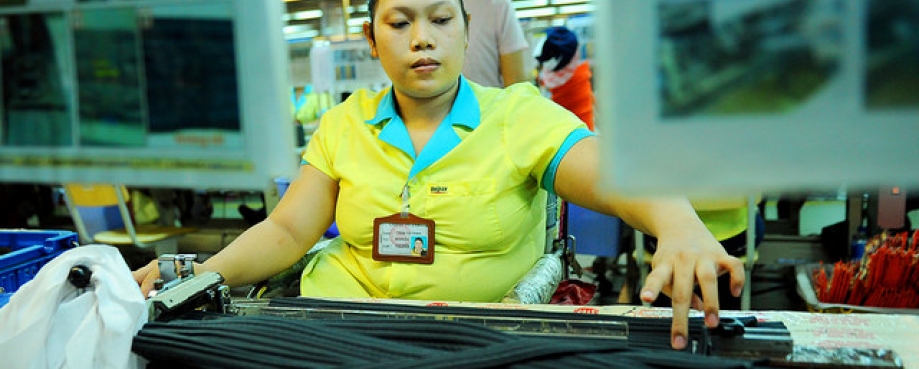
Disability is a labour rights issue that has been sorely neglected by companies as well as other organisations committed to ethical trade. People with disabilities face multiple barriers to accessing decent jobs, but there are some inspiring examples of what can be done to build a more diverse and inclusive workplace, as our next Ethical Insights briefing will show.  

Handbook: Towards disability inclusion

According to Cindy Berman, the Ethical Trading Intiative's Head of Knowledge and Learning, addressing disability is an important priority for the international community. She said: "The new UN Sustainable Development Goals have a specific target on the importance of equal access to jobs for persons with disabilities and as  a key labour rights issue, disability has been badly neglected for far too long." 

ETI’s next Ethical Insights briefing will feature Disability and Ethical Trade on 25 February 2016

  • Date: Thursday 25 February 2016, 8:30 am to 10:00 am
  • Location: The Foundry, 17-19 Oval Way London SE11 5RR

Disability NGO, ADD International will join ETI for the discussion, which will focus on:

  • Employment opportunities for disabled people in companies and in their global supply chains.
  • Addressing discrimination against employment of disabled people.
  • Treatment of employed disabled people in the workplace.

The speakers are:

Mosharraf Hossain: Director of Policy and Influencing at ADD (Action on Disability & Development) talking on ADD International, corporate engagement and ethical trade.

Mansoor Ahmad, DFID Private Sector Advisor talking on DFID's Disability Framework and plans to make economic empowerment a focal area

Susan Scott-Parker, CEO, Business Disability International talking on Business Disability International’s pioneering work to make business accessible for disabled people; critical factors that enable successful disability inclusion

Lee Mann, Sustainable Sourcing, The Body Shop who will give examples of how Body Shop promotes greater access for disabled workers and increasing economic opportunities for disabled people in the global supply chain.

Book free tickets here

About Ethical Insights briefings

ETI's Ethical Insights Series creates a safe, open space to air challenges, share ideas and learn from one another. Cindy Berman said: "We want to generate a spirit of knowledge collaboration to improve the impact of all our efforts."

At the end of each session, there is always a 10-minute 'open mike' to share news and propose ideas for future topics.

"A full room of like-minded people and good speakers: an opportunity to brainstorm new solutions for ethical trading."  Attendee from a previous Ethical Insights event.

Find out more about Ethical Insights briefings here

ETI's blog covers issues at the intersection of business and human rights. We feature posts by, for and from our members and allies; we do not accept or offer payment for posts or publish content outside of these criteria. We welcome a range of insights and opinions from our guest bloggers, though don't necessarily agree with everything they say.

Stay up to date

Stay up to date with the latest from ETI via the following channels:
  • Email
  • Twitter
  • LinkedIn
  • Blog RSS

Related content

  • Ethical consumerism: does it really have power in global supply chains?
  • Free debate: What make workers vulnerable to modern slavery?
  • THE LEADERSHIP SERIES: Addressing disability in supply chains
  • Unions, learning and wellbeing
  • Worker wellbeing: the future of supply chains
  • Persons with disabilities challenge supply chain barriers

Get the latest

Subscribe to our email newsletters and stay up to speed on responsible business.
Subscribe

ETI elsewhere

  • Twitter
  • LinkedIn
  • YouTube

Footer

  • ETI Community
  • Accessibility
  • Contact
  • FAQ
  • Jobs at ETI
  • Press resources
  • Security & privacy
Other ETIs: Bangladesh, Denmark, Norway, Sweden
Ethical Trading Initiative | Registered No. 3578127