Get the latest
Subscribe to our email newsletters and stay up to speed on responsible business.

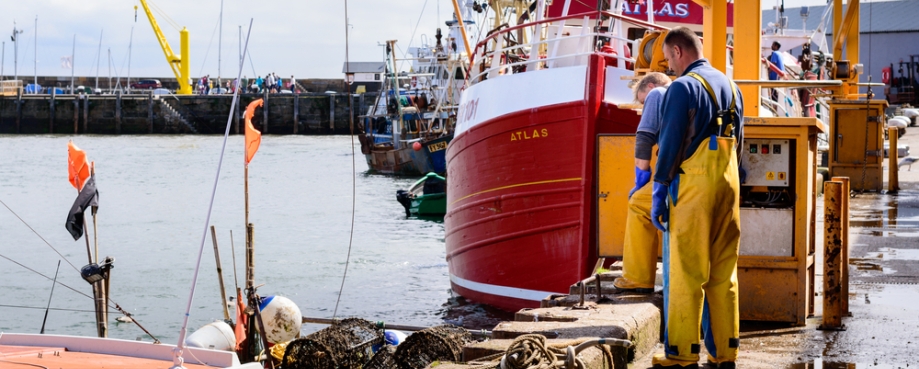
The All-Party Parliamentary Group (APPG) on Fisheries’ new Action Plan for a Thriving and Sustainable UK Fishing Industry marks an important moment for migrant fishers. Backed by a cross-party group of MPs and peers, it recognises the workforce that much of the UK fishing industry relies on.
For years, migrant fishers have been essential to the industry but largely invisible in policy. Campaigners, trade unions and welfare organisations have repeatedly raised concerns about the gaps between immigration policy, employment rights, maritime regulation and labour enforcement. These are gaps that can leave workers without effective protection.
Recommendation 17 calls on Government, alongside the devolved administrations, to develop a dedicated, purpose-built immigration route for the fishing and seafood workforce. The route should recognise people working in the industry as workers, and serve both the industry’s need for labour and the protection of the people who make up that workforce.
It also calls for a short-term bridging solution before fishing roles lose eligibility for the current Skilled Worker visa at the end of 2026. With that deadline now only weeks away, this is the most pressing part of the recommendation.
Migrant fishers in the UK currently work under very different immigration and employment arrangements. The Action Plan describes the current arrangements as “a discriminatory three-tier system”: some crew are paid a share of the catch, others earn a wage on a Skilled Worker visa, and others work on a Code 7 transit stamp, which does not permit work inside the 12-nautical-mile limit. The transit stamp is designed for seafarers joining vessels leaving the UK, and it is often unclear which UK employment protections apply to fishers who rely on it.
The Action Plan recognises the risks associated with the transit stamp, including gaps in workers’ rights, exploitation, trafficking and modern slavery. The International Transport Workers’ Federation (ITF) has been campaigning on these issues for several years, alongside Focus on Labour Exploitation ( FLEX) and The Seafarers Charity.
For migrant fishers, immigration status is not simply an administrative issue. It can determine their ability to change jobs, challenge poor working conditions or report abuse. Where workers are isolated at sea and dependent on an employer for both their income and immigration status, these risks can be particularly acute.
The Action Plan also points to growing pressure on seafood businesses – from retailers, investors, regulators and consumers – to show that products are ethically sourced and free from labour abuse. Evidence to the inquiry noted that major seafood buyers and supermarkets are strengthening their labour and human rights due diligence requirements, and one of the plan’s six strategic goals is for supply chains that integrate environmental, social and ethical practices.
For ETI members, this is an opportunity. Sustainable seafood has to mean decent work for the people who catch it, and companies sourcing from UK fisheries are well placed to help make that a reality.
The Action Plan is a significant step forward, and its call for a route that protects workers is welcome. But it’s not the end of the journey. It does not yet secure the UK minimum wage for all migrant fishers, guarantee full employment rights, strengthen labour enforcement or provide safe ways for workers to report abuse. Nor does it resolve the risks created by the current Code 7 arrangements.
Any new immigration route should recognise migrant fishers as workers and be grounded in international standards. These include the ILO Work in Fishing Convention 188, which the UK ratified in 2019; the ILO General Principles and Operational Guidelines for Fair Recruitment; and the ILO’s new Guidelines for Fair Labour Market Services for Migrant Fishers. The route should provide meaningful employment protections, address exploitative recruitment and ensure workers can raise concerns without fear of retaliation.
Turning this recognition into practical change will take government, industry, trade unions and civil society working together, and businesses have a constructive role to play. Companies sourcing seafood from UK fleets can start by understanding where migrant fishers work in their supply chains, and under which immigration arrangements and how they were recruited. They can draw on these international standards in conversations with suppliers about recruitment fees, contracts, pay and access to grievance mechanisms. They can also add their voice to calls for a fair, purpose-built immigration route. ITF has run sessions for ETI members on these standards and would welcome engagement with businesses that want to put them into practice.
The UK fishing industry depends on migrant workers. Recognising that dependence is an important first step. The next step is ensuring that the people who make the industry possible have the rights, dignity and protections that should come with being a worker in the UK.