Home

Main menu

  • About ETI
    • Our members
      • Public reporting performance
    • Who we are
      • ETI's origins
    • What we do
    • Global presence
    • Governance
    • Our team
      • ETI Board members
    • Our Strategy
  • Home
  • Why ETI
    • Why join ETI
  • ETI Base Code
    • Base Code overview
    • Base Code clause 1: Employment is freely chosen
    • Base Code clause 2: Freedom of association
    • Base Code clause 3: Working conditions are safe and hygienic
    • Base Code clause 4: Child labour shall not be used
    • Base Code clause 5: Living wages are paid
    • Base Code clause 6: Working hours are not excessive
    • Base Code clause 7: No discrimination is practiced
    • Base Code clause 8: Regular employment is provided
    • Base Code clause 9: No harsh or inhumane treatment is allowed
  • Our approach
    • Membership
    • Programmes
    • Transparency
    • Meaningful stakeholder engagement (MSE)
  • Our expertise
    • Climate change & Just transitions
    • Crisis response
    • Gender equity in supply chains
    • Worker representation
    • Forced labour & modern slavery
    • Responsible purchasing practices
      • RPP in manufacturing
    • Human rights due diligence
      • HRDD legislation tracker
  • Resources
    • Guidance & reports
    • Blog
      • Blog series: Tackling gender-based violence through GRACE
    • Issues
      • Human rights due diligence (HRDD): a complete guide for business
        • What is human rights due diligence?
        • Human rights due diligence legislation and regulatory requirements
        • How to implement human rights due diligence in your company
        • HRDD risk assessment for supply chains
        • Supplier engagement and human rights due diligence
      • Forced labour & modern slavery: a complete guide for business
        • What is modern slavery? Definitions, forms and scale
        • How to identify forced labour in your supply chain
        • Remediation: what to do when forced labour is found
        • Modern slavery legislation: what businesses need to know
        • EU Forced Labour Regulation: what it means for your business
        • How to write a modern slavery statement
        • High-risk sectors and sourcing regions for forced labour
        • Forced labour and migrant workers in supply chains
      • Responsible purchasing practices: what they are and why they matter
        • How to implement responsible purchasing practices
        • Responsible purchasing practices and legislation: what companies need to know
        • Responsible purchasing practices by sector
    • Case studies
    • Training
    • Events
      • ETI Insights series
    • Impact report 2024-25

Breadcrumb

  1. Home
  2. blog

New fishers’ union should be watershed for workers in Thai fishing industry

  • Share on Facebook
  • Share on Twitter
  • Share on LinkedIn
  • Nick Kightley - ETI
  • 30 May 2018

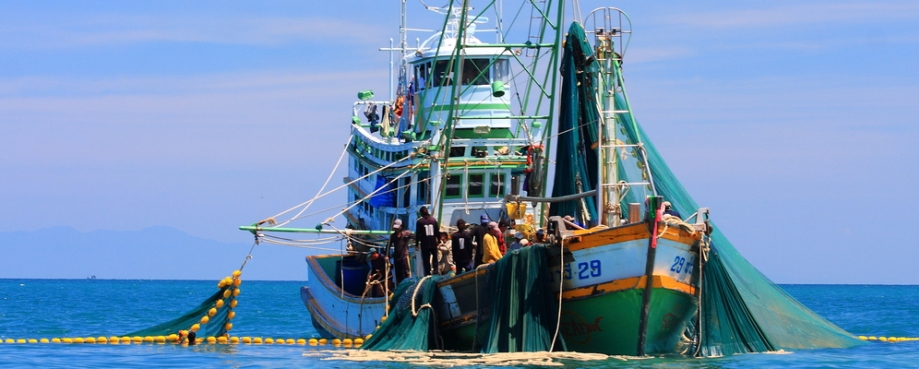
This week, the International Transport Workers’ Federation launched the first independent, democratic union for fishers in Thailand – the Fishers’ Rights Network. ETI’s Nick Kightley reflects on what this could mean for the fishing industry in Thailand.

The launch of the new Fishers’ Rights Network should be a major watershed in the struggle to win respect for workers in the Thai fishing industry.


For the first time, there will be a direct workers’ voice able to speak up about conditions at sea and what needs to change.


Launched by the ITF earlier this week, the FRN has the support of global unions and NGOs, as well as Thailand’s biggest seafood processing company, Thai Union.


I’m also pleased to say that ETI has officially endorsed the new union, and we hope that ETI members and the wider business community will see it as an opportunity to demonstrate their commitment to freedom of association.  

Trade union rights are fundamental

Freedom of association and collective bargaining are fundamental human rights and core components of the ETI Base Code of labour standards. They shouldn’t be denied to any worker in Thailand, regardless of their industry or national origin.


The FRN is a worthy and much-needed example of how these rights should work in practice, and we fully support it to represent fishers - including migrants - and work with others to convince the Thai government of the importance and value of amending the 1975 Labour Relations Act and ratifying ILO Conventions 87, 98, and 188.


I hope this opportunity will be respected by all and become a shining example of how trade unions can work for the benefit of the most vulnerable workers.


All credit to the ITF for their commitment to supporting the birth of this organisation.

The Fishers’ Rights Network is calling for

  • Elimination of passport, pink card, work permit, agent, broker and recruitment fees;
  • Increases in fishers’ wages and improvements in working conditions and labour rights for all fishers in the Thai fishing industry;
  • All fishers to have written contracts in their own language;
  • All fishers to have access to basic first aid training, with access to a comprehensive medical kit on board each vessel;
  • Every vessel to have an emergency medical procedure in place;
  • A vessel Code of Conduct for all vessels operating in Thai waters;
  • The Thai Government to ratify ILO Conventions 87, 98 and 188 and amend labour law to allow migrant workers the rights to freedom of association and collective bargaining and to form and be active in their union.
ETI's blog covers issues at the intersection of business and human rights. We feature posts by, for and from our members and allies; we do not accept or offer payment for posts or publish content outside of these criteria. We welcome a range of insights and opinions from our guest bloggers, though don't necessarily agree with everything they say.

Stay up to date

Stay up to date with the latest from ETI via the following channels:
  • Email
  • Twitter
  • LinkedIn
  • Blog RSS

Related content

  • Defending migrant workers in Thailand: lessons for companies
  • Global implications of addressing unfair trade practices in Europe’s food chain
  • Why migrant workers in Thailand and their defenders need support
  • Damaging ‘Brand Thailand’: Reaction to court ruling against labour rights advocate, Andy Hall
  • Four ethical trade issues forcing their way onto the 2016 public agenda
  • Thailand’s improved human trafficking status: a springboard for change?

Get the latest

Subscribe to our email newsletters and stay up to speed on responsible business.

Subscribe

ETI elsewhere

  • Twitter
  • LinkedIn
  • YouTube

Footer

  • ETI Community
  • Accessibility
  • Contact
  • FAQ
  • Jobs at ETI
  • Press resources
  • Security & privacy
Other ETIs: Bangladesh, Denmark, Norway, Sweden
Ethical Trading Initiative | Registered No. 3578127