Home

Main menu

  • About ETI
    • Our members
      • Public reporting performance
    • Who we are
      • ETI's origins
    • What we do
    • Global presence
    • Governance
    • Our team
      • ETI Board members
    • Our Strategy
  • Home
  • Why ETI
    • Why join ETI
  • ETI Base Code
    • Base Code overview
    • Base Code clause 1: Employment is freely chosen
    • Base Code clause 2: Freedom of association
    • Base Code clause 3: Working conditions are safe and hygienic
    • Base Code clause 4: Child labour shall not be used
    • Base Code clause 5: Living wages are paid
    • Base Code clause 6: Working hours are not excessive
    • Base Code clause 7: No discrimination is practiced
    • Base Code clause 8: Regular employment is provided
    • Base Code clause 9: No harsh or inhumane treatment is allowed
  • Our approach
    • Membership
    • Programmes
    • Transparency
    • Meaningful stakeholder engagement (MSE)
  • Our expertise
    • Climate change & Just transitions
    • Crisis response
    • Gender equity in supply chains
    • Worker representation
    • Forced labour & modern slavery
    • Responsible purchasing practices
      • RPP in manufacturing
    • Human rights due diligence
      • HRDD legislation tracker
  • Resources
    • Guidance & reports
    • Blog
      • Blog series: Extreme heat and risks to workers
      • Blog series: Tackling gender-based violence through GRACE
    • Issues
      • Human rights due diligence (HRDD): a complete guide for business
        • What is human rights due diligence?
        • Human rights due diligence legislation and regulatory requirements
        • How to implement human rights due diligence in your company
        • HRDD risk assessment for supply chains
        • Supplier engagement and human rights due diligence
      • Forced labour & modern slavery: a complete guide for business
        • What is modern slavery? Definitions, forms and scale
        • How to identify forced labour in your supply chain
        • Remediation: what to do when forced labour is found
        • Modern slavery legislation: what businesses need to know
        • EU Forced Labour Regulation: what it means for your business
        • How to write a modern slavery statement
        • High-risk sectors and sourcing regions for forced labour
        • Forced labour and migrant workers in supply chains
      • Responsible purchasing practices: what they are and why they matter
        • How to implement responsible purchasing practices
        • Responsible purchasing practices and legislation: what companies need to know
        • Responsible purchasing practices by sector
      • UK mandatory human rights due diligence: what businesses need to know
    • Case studies
    • Training
    • Events
      • ETI Insights series
    • Impact report 2024-25

Breadcrumb

  1. Home
  2. blog

Stopping modern slavery in business

  • Share on Facebook
  • Share on Twitter
  • Share on LinkedIn
  • 30 March 2016
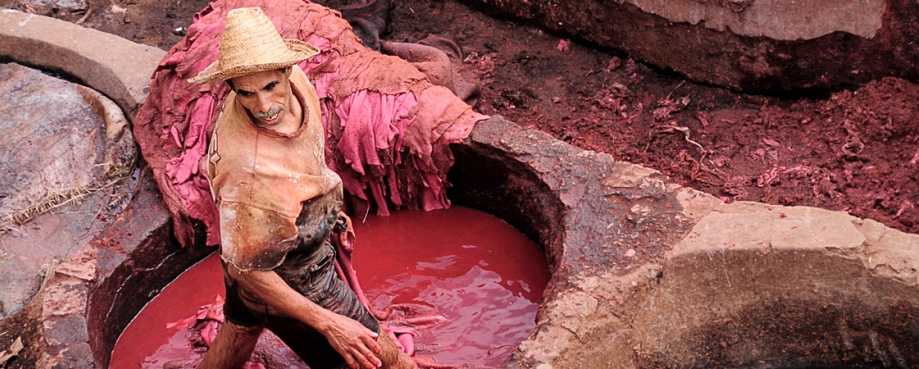
Tannery worker, Morocco

From 1 April 2016, all *large UK-based companies must submit an annual report on the risks and incidences of modern slavery in their supply chains. And as this short five-minute Home Office-produced film shows, slavery, in all its forms, is more common than many businesspeople think.

Watch Stopping Modern Slavery in Business here

According to the International Labour Organization (ILO) at least 21 million men, women and children around the world are in some form of slavery. While most people in slavery are found in Asia, even in Europe hundreds of thousands are suspected to be victims every year. In the UK, it is estimated that 10-13,000 people are in modern slavery at any time.

In the film, Peter McAllister, ETI’s Executive Director advises companies to “learn from the best performers”. He says, “Companies across the board must look harder though their supply chains and business relationships to see where the risks might be and work to eradicate modern slavery.” 

Find out about our Modern Slavery training: Is your business ready?

Further information from the ETI Communications Desk on +44 (0)20 7841 4358

*companies with an annual turnover of £36 million or more.

ETI's blog covers issues at the intersection of business and human rights. We feature posts by, for and from our members and allies; we do not accept or offer payment for posts or publish content outside of these criteria. We welcome a range of insights and opinions from our guest bloggers, though don't necessarily agree with everything they say.

Stay up to date

Stay up to date with the latest from ETI via the following channels:
  • Email
  • Twitter
  • LinkedIn
  • Blog RSS

Related content

  • EU Forced Labour Regulation: Legislation factsheet
  • Forced labour & modern slavery: a complete guide for business
  • 9 ways to make the most of the UK’s new fund to tackle slavery
  • 10 New Year's resolutions to prevent modern slavery
  • Positive noises from government give hope on modern slavery
  • Buying food responsibly: Learning from fresh produce and ambient supply chains in Spain and Italy

Get the latest

Subscribe to our email newsletters and stay up to speed on responsible business.
Subscribe

ETI elsewhere

  • Twitter
  • LinkedIn
  • YouTube

Footer

  • ETI Community
  • Accessibility
  • Contact
  • FAQ
  • Jobs at ETI
  • Press resources
  • Security & privacy
Other ETIs: Bangladesh, Denmark, Norway, Sweden
Ethical Trading Initiative | Registered No. 3578127