Home

Main menu

  • About ETI
    • Our members
      • Public reporting performance
    • Who we are
      • ETI's origins
    • What we do
    • Global presence
    • Governance
    • Our team
      • ETI Board members
    • Our Strategy
  • Home
  • Why ETI
    • Why join ETI
  • ETI Base Code
    • Base Code overview
    • Base Code clause 1: Employment is freely chosen
    • Base Code clause 2: Freedom of association
    • Base Code clause 3: Working conditions are safe and hygienic
    • Base Code clause 4: Child labour shall not be used
    • Base Code clause 5: Living wages are paid
    • Base Code clause 6: Working hours are not excessive
    • Base Code clause 7: No discrimination is practiced
    • Base Code clause 8: Regular employment is provided
    • Base Code clause 9: No harsh or inhumane treatment is allowed
  • Our approach
    • Membership
    • Programmes
    • Transparency
    • Meaningful stakeholder engagement (MSE)
  • Our expertise
    • Climate change & Just transitions
    • Crisis response
    • Gender equity in supply chains
    • Worker representation
    • Forced labour & modern slavery
    • Responsible purchasing practices
      • RPP in manufacturing
    • Human rights due diligence
      • HRDD legislation tracker
  • Resources
    • Guidance & reports
    • Blog
      • Blog series: Extreme heat and risks to workers
      • Blog series: Tackling gender-based violence through GRACE
    • Issues
      • Human rights due diligence (HRDD): a complete guide for business
        • What is human rights due diligence?
        • Human rights due diligence legislation and regulatory requirements
        • How to implement human rights due diligence in your company
        • HRDD risk assessment for supply chains
        • Supplier engagement and human rights due diligence
      • Forced labour & modern slavery: a complete guide for business
        • What is modern slavery? Definitions, forms and scale
        • How to identify forced labour in your supply chain
        • Remediation: what to do when forced labour is found
        • Modern slavery legislation: what businesses need to know
        • EU Forced Labour Regulation: what it means for your business
        • How to write a modern slavery statement
        • High-risk sectors and sourcing regions for forced labour
        • Forced labour and migrant workers in supply chains
      • Responsible purchasing practices: what they are and why they matter
        • How to implement responsible purchasing practices
        • Responsible purchasing practices and legislation: what companies need to know
        • Responsible purchasing practices by sector
      • UK mandatory human rights due diligence: what businesses need to know
    • Case studies
    • Training
    • Events
      • ETI Insights series
    • Impact report 2024-25

Blog

ALDI SOUTH Group

ALDI SOUTH Group graduate to full ETI membership

19 July 2022
ALDI SOUTH Group reflect on their ETI journey and progress made during their foundation membership.

Rapha joins ETI as a foundation member

15 July 2022
Rapha's Supply Chain Sustainability Manager reflects on the companies ethical trade journey so far and their plans for ETI foundation membership.

ETI appoints Mary Creagh CBE as its new chair

30 June 2022
Former MP has served as a Government Minister, Shadow Secretary of State at three departments and Select Committee Chair.
ME+EM blue trouser suit

ME+EM graduate to full membership

28 June 2022
'We have placed a commitment to ethical trading at the centre of our buying and design practices.'

The next leap forward in regulating supply chains

22 June 2022
Owen Tudor reflects on the extension of the ILO’s fundamental principles and rights at work, and what this means for ETI members and occupational health and safety going forward.
Photo credit: Robert Lamb.

Pride Month: LGBTQ+ rights at work

21 June 2022
At ETI we've been reflecting on our work and what more we can do to advance LGBTQ+ rights in the workplace.
Photo credit: UN Women/Aurel Obreja.

How can companies alleviate risks of sexual violence in conflict-affected supply chains?

17 June 2022
Ahead of International Day for the Elimination of Sexual Violence in Conflict ETI's Gender Advisor reflects on what role companies can play in alleviate risks across high-risk supply chains.

Enhanced Human Rights Due Diligence is a necessity for all companies in the face of rising trends

17 June 2022
ETI's Executive Director reflects on the increase of conflict affected and high risk areas and calls on business to conduct proactive and eHRDD.
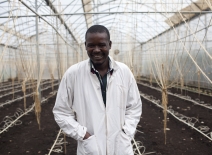
Farmers sorting Tomatoes. Ethiopia World Bank Pic

Three steps companies can take to collect and improve gender data in their agricultural supply chains

10 June 2022
Jiselle Steele, Oxfam's Private Sector Gender Advisor, details steps on how agricultural companies can collect more and better gender data in their supply chains.
Horticulture, Tanzania

Just Good Work App develops new interface for workers of all literacy levels

9 June 2022
Just Good Work App launches new audio visual interface to disseminate migration guidance to workers of all literacy levels.
Missguided logo

ETI suspends Missguided

1 June 2022
ETI suspends Missguided's membership after the company is placed in administration as a result of supplier debt.

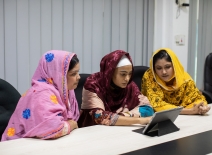
Where are garment industry workers disappearing? The rise of automation and impacts for women workers

31 May 2022
Lauren Shields, HERproject Director and Smita Nimilita, HERproject Bangladesh Country Representative explore the impacts of automation for women workers in the garment industry.

Pagination

  • Previous page ‹‹
  • Page 21
  • Next page ››

Get the latest

Subscribe to our email newsletters and stay up to speed on responsible business.

Subscribe

ETI elsewhere

  • Twitter
  • LinkedIn
  • YouTube

Footer

  • ETI Community
  • Accessibility
  • Contact
  • FAQ
  • Jobs at ETI
  • Press resources
  • Security & privacy
Other ETIs: Bangladesh, Denmark, Norway, Sweden
Ethical Trading Initiative | Registered No. 3578127