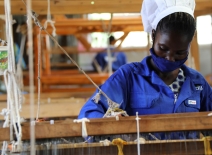
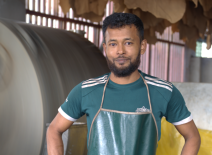
Key achievements of the Improving Environmental and Social Conditions in the Savar Tannery Estate, a 23-month project that supports leather tanneries in Bangladesh
A set of three briefing papers highlighting practical lessons for businesses, funders and implementing partners on how to make environmental initiatives more worker-centred, inclusive and effective.
Findings from the ‘Improving environmental and social conditions in the Savar Tannery Estate’ project, as part of the UK government-funded Sustainable Manufacturing and Environmental Pollution (SMEP) Programme.
How ETI will work with our members and partners to embed human rights at the heart of business, strengthen due diligence and accountability, and amplify workers’ voices.
The Wangu Kanja Foundation (WKF) recognised the gap in capacity employers may have in safeguarding and drafted written guidance and a training to fill this.
Safeguarding human rights and preventing GBVH across the supply chain requires cooperation among all relevant actors. Following the alleged rape and murder of a 20-year-old Dalit worker, Jeyasre Kathiravel, in South India, the Dindigul Agreement was signed in 2022.
Workshop recording: Our session explored the key insights from the Buying Food Responsibly: Learning from fresh and ambient supply chains in Spain and Italy report followed by a panel discussion with industry stakeholders.
Get the latest
Subscribe to our email newsletters and stay up to speed on responsible business.